Area Overview for Ryton-on-Dunsmore
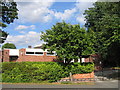
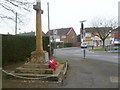
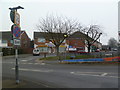
Photos of Ryton-on-Dunsmore
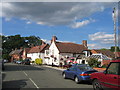
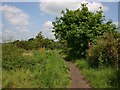
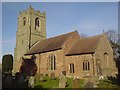

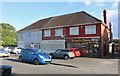
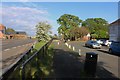
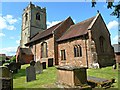
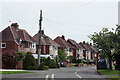
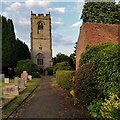
Area Information
Ryton-on-Dunsmore is a compact built-up area in England, spanning 1.4 km². It is a community where home ownership is prevalent, with 81% of residents owning their homes. The area’s demographic profile suggests a population skewed toward older age groups, reflected in a median age of 70. Daily life here is shaped by proximity to essential services, including three schools, multiple retail outlets, and accessible rail networks. The presence of a Church of England academy and primary schools indicates a focus on local education. Residents benefit from strong digital connectivity, with broadband scores rated excellent, supporting both work and leisure. While the area’s small size means it is not a sprawling suburb, its amenities are concentrated, offering convenience without the sprawl of larger towns. Ryton-on-Dunsmore is not a high-density urban hub but a well-connected, low-crime community where most residents live in their own homes. For those seeking a stable, quieter environment with practical infrastructure, this area provides a balance of accessibility and tranquillity.
- Area Type
- Built Up Area 250
- Area Size
- 1.4 km²
- Population
- Not available
- Population Density
- Not available
Ryton-on-Dunsmore offers a range of amenities within practical reach. Local shopping options include five retail outlets, such as Heart of England Co-operative and Aldi, providing access to groceries and everyday essentials. The area’s proximity to three rail stations—Canley, Kenilworth, and Coventry Arena—ensures easy travel to nearby destinations. While there are no named parks or leisure facilities in the data, the presence of schools and retail hubs suggests a community-oriented lifestyle. The two nearby airports, both named Coventry Airport, may offer travel convenience, though their usage is unspecified. Residents can enjoy a mix of local shops, transport links, and educational institutions, creating a self-contained environment. The combination of retail, rail, and schools supports a practical, accessible daily life, though the absence of specific leisure venues means recreational options remain unquantified.
Amenities
Schools
Ryton-on-Dunsmore is served by three schools, including Ryton-On-Dunsmore CofE First School and Provost Williams CofE Primary School, both of which are primary institutions. The area also includes Ryton-On-Dunsmore Provost Williams Church of England Academy, an academy school. These options provide a range of educational settings, from early years to primary education. The presence of both primary and academy schools suggests a structured approach to local education, though no Ofsted ratings are provided in the data. Families with young children will find multiple schools within reach, which is a key consideration for many homebuyers. The mix of school types may indicate a focus on both traditional and academically driven education, though the absence of performance data means parents must rely on local reputation or direct visits to assess quality.
| Rank | A + A* % | School | Type | Entry gender | Ages |
|---|---|---|---|---|---|
| 1 | N/A | Ryton-On-Dunsmore CofE First School | primary | N/A | N/A |
| 2 | N/A | Provost Williams CofE Primary School | primary | N/A | N/A |
| 3 | N/A | Ryton-On-Dunsmore Provost Williams Church of England Academy | academy | N/A | N/A |
Explore more schools in this area
Go to Schools tabDemographics
The population of Ryton-on-Dunsmore has a median age of 70, indicating a community where older residents predominate. This age profile suggests a demographic that may be more established, with fewer young families compared to other areas. Home ownership is high, at 81%, which aligns with a residential base that is largely owner-occupied rather than rental-focused. The data does not specify household composition or ethnic diversity, but the absence of detailed breakdowns means these aspects remain unquantified. The accommodation types are also listed as ‘total’, offering no insight into whether the area is dominated by terraced houses, detached properties, or flats. While the data does not include deprivation metrics, the high home ownership rate and low crime risk suggest a relatively stable quality of life. However, the lack of specific figures on diversity or household structure limits a deeper analysis of the community’s composition.
Household Size
Accommodation Type
Tenure
Ethnic Group
Religion
Household Composition
Age
Household Deprivation
NS-SEC
Explore more demographic insights in this area
Go to Demographics tabPlanning
Planning Constraints
- Crime RiskLocked