Area Overview for Lower Bullingham
Photos of Lower Bullingham
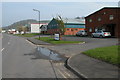
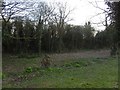
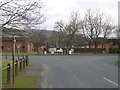

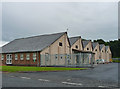
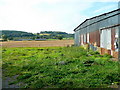
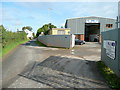
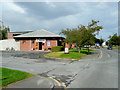
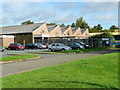
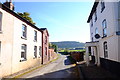
Area Information
Lower Bullingham is a distinct civil parish covering 4.4 km² in England. This relatively compact area offers a defined sense of place for those considering moving to the region. Residents here experience daily life within a settled community where private ownership dominates the landscape. The geography is specific and measurable, yet it houses a population with a very particular demographic profile. You will find that the character of the village is shaped by its residents rather than by commercial development or industrial activity. The area stands out because it maintains a stable identity despite changing wider market conditions. Living in Lower Bullingham means engaging with a neighbourhood where history and current ownership statistics define the social fabric. You are buying into a specific footprint of land and community rather than a generic housing estate. The location provides a clear boundary for what daily life entails, offering a sense of permanence that contrasts with rapidly expanding urban centres. Your experience here is grounded in the physical reality of the parish and the established patterns of homeownership that define the streets. This factual approach to the area ensures you understand exactly what you are investing in before you commit to a purchase. The community in Lower Bullingham tells a clear story about who calls this home. The median age stands at 70 years, which is significantly higher than the national average for England. This means the population is heavily skewed towards older residents, making it an area dominated by retirees or long-term recent retirees. You are entering a neighbourhood where the vast majority of neighbours are likely to be past their working lives. The high home ownership rate of 69% reinforces this picture of a settled, older community. Most people who live here have already bought their homes and intended to stay for decades. Household composition reflects an ageing society, with fewer young families and empty nesters present than in urban districts. The accommodation types and ethnic groups do not feature in the available specific figures, but the age data alone dictates the social atmosphere. You will encounter a demographic reality where social activities and local governance cater primarily to an older population. This concentration of elderly residents means the local amenities and services are tailored to their needs. Understanding this age profile is essential if you are moving to Lower Bullingham and want to match your lifestyle to the existing community structure. The property market in Lower Bullingham is defined by stability and private ownership. With 69% of homes owned by their occupants, the area functions primarily as a buy-to-live market rather than a rental hub. This high ownership figure suggests that most properties have deep roots in the current neighbourhood structure. You are likely to find established families and retirees who have purchased their homes over many years. The accommodation types in Lower Bullingham reflect this legacy, though specific breakdowns of detached, semi-detached, or flats are not detailed in the current data. The dominance of owner-occupiers means the housing stock tends to be of a permanent nature suited to long-term living. If you are looking for homes in Lower Bullingham, expect to compete with other serious buyers rather than landlords seeking short-term lets. This market dynamic can create a more stable environment for residents, reducing the turnover rate seen in more transient areas. The high percentage of owner-occupiers also implies that localInvestment is driven by personal preference and need rather than purely financial speculation. Your potential purchase will join a long line of previous owners who chose this specific location for its character and stability. The market here rewards patience and a willingness to engage with a traditional property landscape. Digital connectivity in Lower Bullingham supports modern remote working needs well above national averages for rural locations. The fixed broadband quality score reaches 89 out of 100, indicating excellent performance for high-speed internet usage. You can rely on robust connections for video conferencing, large file transfers, and streaming without significant interruptions. Mobile network quality scores 80 out of 100, providing good coverage that ensures you stay connected when outside your home. This level of service is comparable to many urban suburbs and offers peace of mind for working professionals who need reliable digital access. Living in Lower Bullingham means you do not have to sacrifice connectivity for the quiet life. The combination of strong fixed and mobile networks reduces the isolation often associated with rural living. Whether you work from home or rely on mobile data for daily tasks, the infrastructure meets high standards. The quality of these digital services ensures that residents remain fully integrated into the wider digital economy. You will find that house prices in such areas are often supported by these connectivity standards, as buyers increasingly view reliable internet as a fundamental utility. The technical scores provide a concrete basis for confidence in your daily digital routine. Safety and environmental factors in Lower Bullingham present a mix of reassuring statistics and genuine planning considerations. The crime risk assessment shows a score of 78, which classifies the area as having a pass level for safety. This indicates below-average crime rates and a neighbourhood where you can walk with relative confidence. Residents benefit from a local environment where criminal activity is less prevalent than in many other UK districts. However, the flood risk assessment reveals a critical level with a score of 35.36, which requires serious attention before you buy. This high flood risk coverage means you must carefully review individual property histories and insurance options. The area contains protected nature reserves with a warning level score of 1.75, indicating that some land is designated for conservation. You should verify exactly which properties sit near these reserves as development restrictions may apply. There are no Ramsar wetland sites or Areas of Outstanding Natural Beauty impacting the zone, which simplifies some planning constraints. The absence of protected woodland further clarifies the planning landscape. While the crime figures are encouraging, the flood data is the primary constraint you must address. Professional surveys and flood risk assessments are non-negotiable steps if you are considering Lower Bullingham properties near river valleys or low-lying ground. Who typically lives in Lower Bullingham and what is the age profile like?The area has a median age of 70 years, meaning the population is predominantly older adults. This high age figure reflects a community of retirees and long-term residents. The demographic data confirms that the social environment is geared towards an older lifestyle rather than a younger, growing family population. Is digital connectivity in Lower Bullingham reliable for working from home?Yes, the area scores highly for digital needs. The fixed broadband quality score is 89 and mobile coverage scores 80. These figures indicate excellent internet speeds and strong network reliability. You can expect robust connectivity suitable for professional use and daily digital tasks without significant interruption. What are the main safety concerns for residents of Lower Bullingham?The crime risk is low with a score of 78, placing it in a pass category for safety. The more significant concern is flood risk, which is classified as critical with a score of 35.36. You should carefully inspect individual properties for flood vulnerability before making an offer. The area also contains protected nature reserves which may affect building plans.
- Area Type
- Parish
- Area Size
- 4.4 km²
- Population
- Not available
- Population Density
- Not available
Demographics
The community in Lower Bullingham tells a clear story about who calls this home. The median age stands at 70 years, which is significantly higher than the national average for England. This means the population is heavily skewed towards older residents, making it an area dominated by retirees or long-term recent retirees. You are entering a neighbourhood where the vast majority of neighbours are likely to be past their working lives. The high home ownership rate of 69% reinforces this picture of a settled, older community. Most people who live here have already bought their homes and intended to stay for decades. Household composition reflects an ageing society, with fewer young families and empty nesters present than in urban districts. The accommodation types and ethnic groups do not feature in the available specific figures, but the age data alone dictates the social atmosphere. You will encounter a demographic reality where social activities and local governance cater primarily to an older population. This concentration of elderly residents means the local amenities and services are tailored to their needs. Understanding this age profile is essential if you are moving to Lower Bullingham and want to match your lifestyle to the existing community structure. The property market in Lower Bullingham is defined by stability and private ownership. With 69% of homes owned by their occupants, the area functions primarily as a buy-to-live market rather than a rental hub. This high ownership figure suggests that most properties have deep roots in the current neighbourhood structure. You are likely to find established families and retirees who have purchased their homes over many years. The accommodation types in Lower Bullingham reflect this legacy, though specific breakdowns of detached, semi-detached, or flats are not detailed in the current data. The dominance of owner-occupiers means the housing stock tends to be of a permanent nature suited to long-term living. If you are looking for homes in Lower Bullingham, expect to compete with other serious buyers rather than landlords seeking short-term lets. This market dynamic can create a more stable environment for residents, reducing the turnover rate seen in more transient areas. The high percentage of owner-occupiers also implies that localInvestment is driven by personal preference and need rather than purely financial speculation. Your potential purchase will join a long line of previous owners who chose this specific location for its character and stability. The market here rewards patience and a willingness to engage with a traditional property landscape. Digital connectivity in Lower Bullingham supports modern remote working needs well above national averages for rural locations. The fixed broadband quality score reaches 89 out of 100, indicating excellent performance for high-speed internet usage. You can rely on robust connections for video conferencing, large file transfers, and streaming without significant interruptions. Mobile network quality scores 80 out of 100, providing good coverage that ensures you stay connected when outside your home. This level of service is comparable to many urban suburbs and offers peace of mind for working professionals who need reliable digital access. Living in Lower Bullingham means you do not have to sacrifice connectivity for the quiet life. The combination of strong fixed and mobile networks reduces the isolation often associated with rural living. Whether you work from home or rely on mobile data for daily tasks, the infrastructure meets high standards. The quality of these digital services ensures that residents remain fully integrated into the wider digital economy. You will find that house prices in such areas are often supported by these connectivity standards, as buyers increasingly view reliable internet as a fundamental utility. The technical scores provide a concrete basis for confidence in your daily digital routine. Safety and environmental factors in Lower Bullingham present a mix of reassuring statistics and genuine planning considerations. The crime risk assessment shows a score of 78, which classifies the area as having a pass level for safety. This indicates below-average crime rates and a neighbourhood where you can walk with relative confidence. Residents benefit from a local environment where criminal activity is less prevalent than in many other UK districts. However, the flood risk assessment reveals a critical level with a score of 35.36, which requires serious attention before you buy. This high flood risk coverage means you must carefully review individual property histories and insurance options. The area contains protected nature reserves with a warning level score of 1.75, indicating that some land is designated for conservation. You should verify exactly which properties sit near these reserves as development restrictions may apply. There are no Ramsar wetland sites or Areas of Outstanding Natural Beauty impacting the zone, which simplifies some planning constraints. The absence of protected woodland further clarifies the planning landscape. While the crime figures are encouraging, the flood data is the primary constraint you must address. Professional surveys and flood risk assessments are non-negotiable steps if you are considering Lower Bullingham properties near river valleys or low-lying ground. Who typically lives in Lower Bullingham and what is the age profile like?The area has a median age of 70 years, meaning the population is predominantly older adults. This high age figure reflects a community of retirees and long-term residents. The demographic data confirms that the social environment is geared towards an older lifestyle rather than a younger, growing family population. Is digital connectivity in Lower Bullingham reliable for working from home?Yes, the area scores highly for digital needs. The fixed broadband quality score is 89 and mobile coverage scores 80. These figures indicate excellent internet speeds and strong network reliability. You can expect robust connectivity suitable for professional use and daily digital tasks without significant interruption. What are the main safety concerns for residents of Lower Bullingham?The crime risk is low with a score of 78, placing it in a pass category for safety. The more significant concern is flood risk, which is classified as critical with a score of 35.36. You should carefully inspect individual properties for flood vulnerability before making an offer. The area also contains protected nature reserves which may affect building plans.
Household Size
Accommodation Type
Tenure
Ethnic Group
Religion
Household Composition
Age
Household Deprivation
NS-SEC
Explore more demographic insights in this area
Go to Demographics tabPlanning
Planning Constraints
- Flood RiskPremium
- Ramsar Wetland SitesPremium
- Area of Outstanding Natural BeautyPremium
- Protected Nature ReservePremium
- Protected WoodlandPremium
- Crime RiskPremium