Area Overview for Hill Ridware
Photos of Hill Ridware
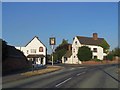
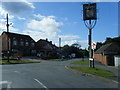
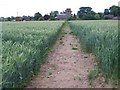
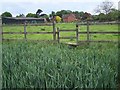
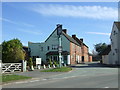
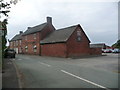
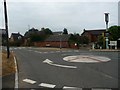
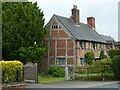
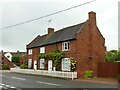
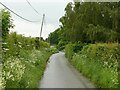
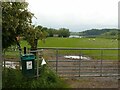
Area Information
Hill Ridware is a compact built-up area in England, covering 32.6 hectares. Its small size means it is tightly knit, with a focus on local living rather than sprawling development. The area’s demographics suggest a mature community, with a median age of 70, indicating a population skewed towards older residents. This shapes daily life, with a quiet, settled rhythm that contrasts with busier urban centres. Residents benefit from proximity to essential services, including five retail outlets such as Aldi, Co-op, and Tesco, and five railway stations, including Rugeley Trent Valley and Lichfield City. The presence of Henry Chadwick Primary School, rated ‘good’ by Ofsted, adds to the area’s appeal for families. While the population is older, the area’s infrastructure supports both independent living and connectivity. The broadband score of 70 and mobile coverage of 83 ensure reliable digital access, crucial for remote work or leisure. Hill Ridware offers a blend of practicality and quietude, ideal for those prioritising safety, convenience, and a low-crime environment.
- Area Type
- Built Up Area 250
- Area Size
- 32.6 hectares
- Population
- Not available
- Population Density
- Not available
Hill Ridware’s lifestyle is shaped by its proximity to essential amenities. Five retail outlets, including Aldi, Co-op, and Tesco, provide convenient shopping options for daily needs. The railway stations, such as Rugeley Trent Valley and Lichfield City, offer easy access to public transport, supporting both local travel and commuting. While the data does not mention parks or leisure facilities, the presence of retail and transport hubs suggests a focus on practicality over recreational spaces. The area’s compact size means amenities are within walking or short driving distance, enhancing convenience. For residents, this means a lifestyle prioritising accessibility and efficiency, with minimal need for long commutes or extensive travel. The combination of retail, rail, and digital connectivity creates a functional environment, ideal for those seeking a low-maintenance, well-served community.
Amenities
Schools
Henry Chadwick Primary School is the only school explicitly listed near Hill Ridware. It is a primary school with a ‘good’ Ofsted rating, indicating a satisfactory standard of education. The absence of secondary schools or other educational institutions in the data means families may need to look beyond the immediate area for secondary education. For primary school-age children, the proximity of Henry Chadwick offers convenience, though the single school option may limit choices. The ‘good’ rating suggests the school meets acceptable standards, but without further details on curriculum, facilities, or performance metrics, prospective families should conduct additional research. The school’s presence, however, is a clear advantage for those prioritising accessible education for younger children.
| Rank | A + A* % | School | Type | Entry gender | Ages |
|---|---|---|---|---|---|
| 1 | N/A | Henry Chadwick Primary School | primary | N/A | N/A |
| 2 | N/A | Henry Chadwick Primary School | primary | N/A | N/A |
Explore more schools in this area
Go to Schools tabDemographics
The population of Hill Ridware has a median age of 70, the highest recorded in the dataset, suggesting a community predominantly composed of older adults. This age profile influences the area’s character, with fewer young families but a strong presence of retired residents. Home ownership is high at 81%, reflecting a stable, long-term resident base. While specific data on household composition or diversity is not provided, the 81% ownership rate implies a mix of owner-occupied properties and limited rental stock. The accommodation types are not detailed, but the high ownership rate suggests a focus on private residences rather than commercial or rental units. The area’s demographic makeup likely shapes local services, with amenities tailored to an older population. Without specific figures on deprivation or diversity, it is unclear how economic factors affect quality of life, but the low crime risk and accessible transport suggest a generally secure and functional environment.