Area Overview for Ellesmere
Photos of Ellesmere
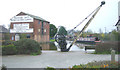
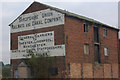
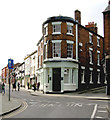
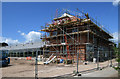
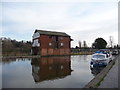
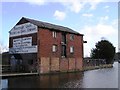
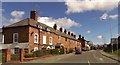
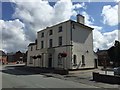
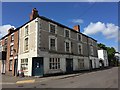
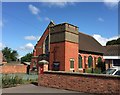
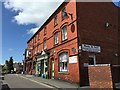
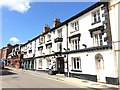
Area Information
Ellesmere is a compact built-up area in England, spanning just 1.6 km², yet it offers a distinct character shaped by its demographic profile and local amenities. With a median age of 70, the community here is predominantly older, suggesting a quieter, more established feel. Daily life revolves around nearby shops, schools, and the railway station, which connects to broader networks. The area’s small size means residents can easily access essential services without long commutes. While the population data doesn’t specify household types, the high home ownership rate of 73% indicates a stable, long-term resident base. Living in Ellesmere feels less hurried than larger towns, with a focus on proximity to local facilities. The presence of multiple schools, including both state and independent options, adds to its appeal for families. For those seeking a low-maintenance lifestyle with access to basic amenities, Ellesmere provides a straightforward, practical environment. Its compact nature and older demographic make it a place where community ties may be strong, though the lack of detailed data on diversity or household composition leaves some aspects of daily life unexplored.
- Area Type
- Built Up Area 250
- Area Size
- 1.6 km²
- Population
- Not available
- Population Density
- Not available
Ellesmere’s lifestyle is defined by its accessible amenities, which include a mix of retail and transport options. The area has four notable retail outlets, including Tesco Ellesmere and two Co-op stores, offering everyday shopping needs within walking distance. These shops provide convenience for residents, reducing the need for long trips to larger centres. The Gobowen Railway Station adds to the area’s connectivity, allowing residents to travel further afield with ease. While the data does not specify dining or leisure facilities, the presence of multiple retail options suggests a focus on practicality over luxury. The compact nature of the area means that amenities are closely clustered, making it easy to access essentials without significant travel time. This layout supports a low-maintenance lifestyle, ideal for those who prefer simplicity and proximity to services. The lack of detailed information on parks or recreational spaces leaves room for further exploration, but the existing amenities clearly cater to daily living needs.
Amenities
Schools
Ellesmere offers a range of educational options, from primary schools to independent institutions. Ellesmere Primary School and The Lakelands School, Sports and Language College both provide primary education, with the former holding an Ofsted rating of good. Lakelands Academy, an academy school, also has a good Ofsted rating, ensuring a standard of education that meets regulatory benchmarks. For families seeking independent education, Ellesmere College provides an alternative. The mix of state and independent schools gives residents flexibility, whether they prioritise public education or seek the resources of a private institution. The presence of multiple schools within the area reduces the need for long commutes, which is a practical advantage for parents. However, the data does not specify student numbers or academic performance beyond Ofsted ratings, so further research would be needed to assess the quality of teaching or extracurricular offerings. For now, the availability of diverse schooling options remains a clear strength of the area.
| Rank | A + A* % | School | Type | Entry gender | Ages |
|---|---|---|---|---|---|
| 1 | N/A | Ellesmere Primary School | primary | N/A | N/A |
| 2 | N/A | The Lakelands School, Sports and Language College | primary | N/A | N/A |
| 3 | N/A | Ellesmere College | independent | N/A | N/A |
| 4 | N/A | Lakelands Academy | academy | N/A | N/A |
| 5 | N/A | Ellesmere Primary School | primary | N/A | N/A |
Explore more schools in this area
Go to Schools tabDemographics
The population of Ellesmere has a median age of 70, the highest recorded in the dataset, suggesting a community skewed towards older residents. This age profile implies a demographic that may prioritise stability and established infrastructure over rapid growth. Home ownership stands at 73%, a figure that aligns with a place where long-term residency is common. The data does not specify household composition or accommodation types, but the overall ownership rate indicates a lower proportion of renters compared to areas with higher turnover. The absence of detailed information on ethnic groups or religious affiliations means the area’s cultural diversity remains unquantified. However, the high home ownership and older median age collectively suggest a population that may value continuity and familiarity. For prospective buyers, this profile could signal a quieter, less transient environment, though it also raises questions about the availability of newer housing stock or younger families. The data does not address deprivation levels, so it is unclear whether the area’s quality of life is uniformly high or if certain groups face challenges.
Household Size
Accommodation Type
Tenure
Ethnic Group
Religion
Household Composition
Age
Household Deprivation
NS-SEC
Explore more demographic insights in this area
Go to Demographics tabPlanning
Planning Constraints
- Crime RiskLocked