Area Overview for DY4 7TJ
Photos of DY4 7TJ

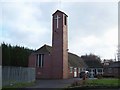


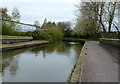
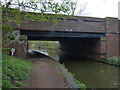
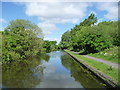



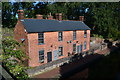
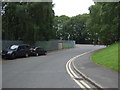
Area Information
DY4 7TJ is a small, densely populated residential cluster in England, covering just 1978 m² and home to 2352 residents. Its compact size means the area feels tightly knit, with a high population density of 1189125 people per square kilometre. Situated in the West Midlands, it lies within the broader context of Oldbury, a historic market town that once operated as a Municipal Borough before merging into Sandwell in 1974. The area’s proximity to key towns like Dudley and Tipton ensures access to urban amenities while retaining a semi-rural character. Daily life here is shaped by its industrial heritage, with remnants of 18th-century ironworks and canals still influencing the landscape. Residents benefit from a mix of modern and historic architecture, with a focus on single-family homes. The area’s compact nature means most needs are met within walking or short driving distance, though its small size also limits expansion. For those seeking a balance between community and convenience, DY4 7TJ offers a snapshot of mid-20th-century suburban living, with a population skewed toward middle-aged adults and a strong emphasis on home ownership.
- Area Type
- Postcode
- Area Size
- 1978 m²
- Population
- 2352
- Population Density
- 5917 people/km²
DY4 7TJ is primarily a housing area characterised by single-family homes, with 48% of properties owner-occupied. This suggests a market where homeownership is a common aspiration, though the relatively low ownership rate indicates a significant rental segment. The presence of houses rather than flats or apartments points to a focus on traditional, spacious living, which may appeal to families or those seeking more private, low-density environments. However, the small area size and high population density imply limited land for new development, which could constrain property availability. Buyers in this area may find a mix of older, historically significant homes and newer builds, though the lack of commercial or industrial properties nearby means the housing stock is unlikely to expand significantly. For those considering the area, the compact nature of DY4 7TJ means proximity to nearby towns like Dudley and Tipton could be a strategic advantage for accessing broader housing options.
House Prices in DY4 7TJ
Showing 1 properties
| Address | Type | Beds | Baths | Last Sale Price | Last Sale Date | |
|---|---|---|---|---|---|---|
| 96 Dudley Road West, Tipton, DY4 7TJ | Detached | 3 | 1 | £160,000 | Oct 2023 |
Energy Efficiency in DY4 7TJ
Living in DY4 7TJ offers access to a range of essential amenities within short distances. Retail options include Co-op Tipton, Morrisons Daily, and Tesco Dudley, providing everyday shopping needs. For transport, residents can use Dudley Port Railway Station, Tipton Railway Station, or Sandwell & Dudley Railway Station, with metro stops like Dudley Street Guns Village and Dartmouth Street offering further connectivity. The area’s compact size ensures that leisure and recreational spaces are nearby, though specific parks or green spaces are not detailed in the data. The presence of multiple retail and transport hubs suggests a community focused on practicality, with a blend of historic and modern infrastructure. While the area’s small size limits the diversity of amenities, its proximity to larger towns like Dudley and Tipton compensates by offering additional options for dining, entertainment, and services.
Amenities
Schools
| Rank | School | Type | Entry gender | Ages |
|---|
Explore more schools in this area
Go to Schools tabDemographics
The population of DY4 7TJ has a median age of 47, with the most common age range being adults aged 30–64. This suggests a community of established professionals and families, rather than a transient or student population. Home ownership stands at 48%, indicating a modest mix of owner-occupied properties and rental units. The area is predominantly composed of houses, which aligns with the demographic profile of older, family-oriented residents. The predominant ethnic group is White, reflecting broader trends in the West Midlands. While specific data on deprivation is not provided, the high proportion of middle-aged adults and the prevalence of single-family homes suggest a stable, low-turnover community. This stability may contribute to a sense of continuity, though the lack of younger residents could impact local schools and amenities. The absence of detailed diversity metrics means the full scope of the community’s social fabric remains partially obscured.
Household Size
Accommodation Type
Tenure
Ethnic Group
Religion
Household Composition
Age
Household Deprivation
NS-SEC
Explore more demographic insights in this area
Go to Demographics tabPlanning
Planning Constraints
- Flood RiskPremium
- Ramsar Wetland SitesPremium
- Area of Outstanding Natural BeautyPremium
- Protected Nature ReservePremium
- Protected WoodlandPremium