Area Overview for DY4 7SF
Photos of DY4 7SF

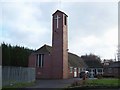


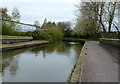
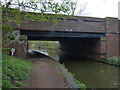
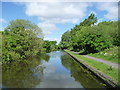
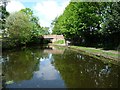


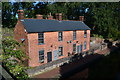
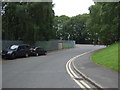
Area Information
DY4 7SF is a compact residential postcode area in England, covering just 2302 square metres and home to 2352 residents. Its high population density of 1021932 people per square kilometre reflects a tightly knit community, typical of small urban clusters. The area’s character is shaped by its proximity to historical and industrial sites, though modern life here is defined by convenience and accessibility. With a median age of 47, the population skews towards adults aged 30–64, suggesting a mature, stable demographic. Daily life is supported by nearby retail hubs, rail networks, and community spaces, making it practical for commuters and families alike. While the area lacks natural constraints like protected woodlands or wetlands, its compact size means residents are close to essential services. The postcode’s small footprint also means housing stock is limited, with a focus on owner-occupied homes. For buyers, this presents a niche market where properties are likely to be well-maintained but scarce. The area’s blend of practicality and proximity to larger towns like Dudley ensures it’s a viable option for those seeking a quieter, connected lifestyle without full urban sprawl.
- Area Type
- Postcode
- Area Size
- 2302 m²
- Population
- 2352
- Population Density
- 5917 people/km²
DY4 7SF is a small area with a housing stock dominated by single-family homes, reflecting its character as a residential cluster rather than a high-rise or apartment-dominated zone. With 48% of residents owning their homes, the market is split between owner-occupied properties and rentals. This balance suggests a moderate demand for both long-term investment and short-term tenancies, though the area’s limited size means housing stock is constrained. Buyers should consider the proximity to larger towns like Dudley, where additional options may exist. The focus on houses implies larger living spaces compared to flats, appealing to families or those prioritising private outdoor areas. However, the compact nature of DY4 7SF means competition for properties could be fierce, particularly for newer builds or well-maintained homes. For those seeking a quiet, connected lifestyle with access to nearby amenities, the area offers a niche opportunity, though buyers must weigh the benefits of local convenience against the potential scarcity of available properties.
House Prices in DY4 7SF
Showing 6 properties
| Address | Type | Beds | Baths | Last Sale Price | Last Sale Date | |
|---|---|---|---|---|---|---|
| 29 Whitehouse Street, Tipton, DY4 7SF | Semi-detached | 3 | 1 | £122,000 | Sep 2015 | |
| 30 Whitehouse Street, Tipton, DY4 7SF | house | - | - | £115,000 | Jul 2011 | |
| 27 Whitehouse Street, Tipton, DY4 7SF | Semi-detached | 1 | 1 | - | - | |
| 31 Whitehouse Street, Tipton, DY4 7SF | Terraced | - | - | - | - | |
| 28 Whitehouse Street, Tipton, DY4 7SF | Terraced | - | - | - | - | |
| 32 Whitehouse Street, Tipton, DY4 7SF | Terraced | - | - | - | - |
Energy Efficiency in DY4 7SF
Living in DY4 7SF offers access to a range of local amenities within practical reach. Retail options include Co-op Tipton, Tesco Dudley, and Morrisons Daily, ensuring everyday shopping needs are met without long commutes. The area’s rail network, with stations like Dudley Port and Tipton, connects residents to broader regional services, while metro stops such as Black Lake and Dartmouth Street provide additional transport flexibility. For leisure, the nearby Albright Recreation Ground, though not explicitly named in the data, aligns with historical references to community spaces in the region, suggesting opportunities for outdoor activities. The compact nature of the postcode means residents are close to both urban and semi-rural environments, balancing convenience with a sense of community. While specific parks or dining venues aren’t listed in the data, the presence of multiple retail and transport hubs implies a functional lifestyle, ideal for those valuing accessibility over sprawling green spaces.
Amenities
Schools
| Rank | School | Type | Entry gender | Ages |
|---|
Explore more schools in this area
Go to Schools tabDemographics
The population of DY4 7SF is predominantly adults aged 30–64, with a median age of 47. This suggests a community of established professionals and families, rather than students or retirees. Home ownership stands at 48%, indicating a mix of owner-occupied properties and rental homes. The area’s accommodation type is primarily houses, which contrasts with higher-density housing in nearby urban centres. The predominant ethnic group is White, reflecting broader regional demographics in the West Midlands. While specific data on deprivation or income levels is absent, the high population density and focus on single-family homes imply a balance between affordability and space. For quality of life, the age profile suggests a stable environment with fewer generational shifts, though the 48% home ownership rate means a significant portion of residents rely on rental markets. This dynamic could influence local services and infrastructure demands, ensuring they cater to both long-term residents and transient populations.
Household Size
Accommodation Type
Tenure
Ethnic Group
Religion
Household Composition
Age
Household Deprivation
NS-SEC
Explore more demographic insights in this area
Go to Demographics tabPlanning
Planning Constraints
- Flood RiskPremium
- Ramsar Wetland SitesPremium
- Area of Outstanding Natural BeautyPremium
- Protected Nature ReservePremium
- Protected WoodlandPremium