Area Overview for CV3 1QB
Photos of CV3 1QB
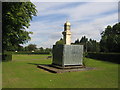
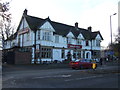
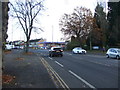
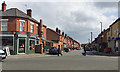
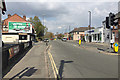
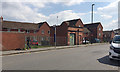
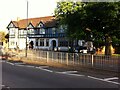
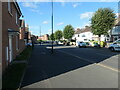
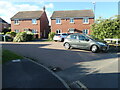
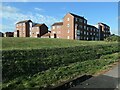
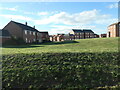
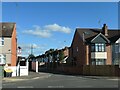
Area Information
CV3 1QB is a small, densely populated residential postcode in Coventry, England, covering 1,759 square metres and home to 1,925 residents. Situated in Lower Stoke Ward, it lies to the south-east of Coventry city centre, bordered by the Coventry-Rugby railway line and surrounded by settlements with a mix of industrial and residential character. The area’s history is rooted in Saxon origins and 13th-century landholding, with 20th-century development reshaping it into a cluster of housing and light industry. Today, it balances newer residential builds to the north with older industrial estates to the south. Living here means proximity to Coventry’s urban core, with easy access to rail networks and two airports. The community is young on average, with a median age of 22, but the most common age group is adults aged 30–64, reflecting a blend of long-term residents and families. Daily life is shaped by the area’s compact size, where shops, transport links, and historical traces of past industries coexist in a tightly woven neighbourhood.
- Area Type
- Postcode
- Area Size
- 1759 m²
- Population
- 1925
- Population Density
- 8001 people/km²
The property market in CV3 1QB is characterised by a low home ownership rate of 35%, indicating that most residents are renters rather than homeowners. The accommodation type is predominantly houses, which is unusual for a small, densely populated postcode. This suggests a limited housing stock, possibly concentrated in older or industrial-era builds. The area’s proximity to Coventry’s city centre and transport links may make it attractive to buyers seeking affordable housing, though the small size of the postcode means the market is likely constrained by limited availability. The predominance of houses over flats or apartments could appeal to families or those preferring single-unit properties. However, the low home ownership rate implies competition for rental properties, and buyers should consider the area’s compact nature and reliance on nearby infrastructure when evaluating long-term value.
House Prices in CV3 1QB
Showing 9 properties
| Address | Type | Beds | Baths | Last Sale Price | Last Sale Date | |
|---|---|---|---|---|---|---|
| 2 Lancers Walk, Stoke, Coventry, CV3 1QB | Flat | 1 | 1 | £117,500 | May 2022 | |
| 3 Lancers Walk, Stoke, Coventry, CV3 1QB | Semi-detached | 1 | 1 | £94,000 | Oct 2016 | |
| 4 Lancers Walk, Stoke, Coventry, CV3 1QB | Flat | 1 | 1 | £93,500 | Oct 2014 | |
| 9 Lancers Walk, Stoke, Coventry, CV3 1QB | Terraced | 1 | 1 | £162,995 | Sep 2014 | |
| 5 Lancers Walk, Stoke, Coventry, CV3 1QB | Terraced | 3 | 1 | £151,995 | Sep 2014 | |
| 7 Lancers Walk, Stoke, Coventry, CV3 1QB | house | - | - | £149,995 | Sep 2014 | |
| 1 Lancers Walk, Stoke, Coventry, CV3 1QB | Flat | - | - | £92,000 | Sep 2014 | |
| 11 Lancers Walk, Stoke, Coventry, CV3 1QB | Flat | - | - | - | - | |
| 13 Lancers Walk, Stoke, Coventry, CV3 1QB | Flat | - | - | - | - |
Energy Efficiency in CV3 1QB
Living in CV3 1QB offers access to a range of practical amenities within close proximity. Retail options include Co-op Humber, Iceland Binley, and Budgens Aldermoor, providing everyday shopping convenience. The area’s rail network connects residents to Coventry’s city centre, with five stations offering links to major hubs like Coventry Arena and Tile Hill. While the postcode lacks large parks or leisure facilities, its industrial heritage is interwoven with modern convenience. The presence of two airports—both listed as Coventry Airport—adds to the area’s connectivity, though specifics on their services are not detailed. The compact layout means residents can reach shops, transport, and workplaces quickly, though larger recreational spaces may require travel to nearby towns. The mix of retail and transport infrastructure supports a functional, urban-oriented lifestyle, ideal for those prioritising accessibility over expansive green spaces.
Amenities
Schools
| Rank | School | Type | Entry gender | Ages |
|---|
Explore more schools in this area
Go to Schools tabDemographics
The population of CV3 1QB is 1,925 people, with a median age of 22, though the most common age range is adults aged 30–64. This suggests a community with a mix of younger residents and families. Home ownership rates are relatively low at 35%, indicating a higher proportion of renters. The area is predominantly occupied by houses, a rarity in such a small postcode, which may reflect its historical industrial roots. The predominant ethnic group is White, and no specific data on diversity or deprivation is provided. The high population density—1,094,531 people per square kilometre—suggests a compact, closely knit community. This density may influence local amenities and social dynamics, with residents relying on nearby services and transport networks for daily needs. The age profile and housing type suggest a balance between established families and transient populations, though the lack of detailed demographic breakdowns limits deeper analysis.
Household Size
Accommodation Type
Tenure
Ethnic Group
Religion
Household Composition
Age
Household Deprivation
NS-SEC
Explore more demographic insights in this area
Go to Demographics tabPlanning
Planning Constraints
- Flood RiskPremium
- Ramsar Wetland SitesPremium
- Area of Outstanding Natural BeautyPremium
- Protected Nature ReservePremium
- Protected WoodlandPremium