Area Overview for CV3 1PD
Photos of CV3 1PD
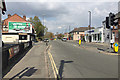
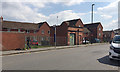
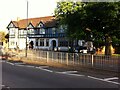
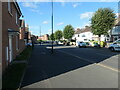
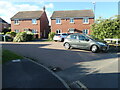
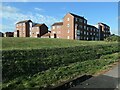
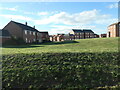
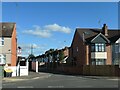
Area Information
CV3 1PD is a compact residential postcode in Coventry, England, covering 5,911 square metres and home to 2,799 residents. Its population density of 473,562 people per square kilometre reflects a tightly packed community, typical of urban areas in the West Midlands. Situated in Lower Stoke Ward, the area lies to the south-east of Coventry city centre, with its character shaped by historical industrial activity and recent housing development. The northern part of the postcode features newer residential areas built on the former sites of car manufacturing plants, while the southern side retains older light industrial estates. This duality creates a mix of modern living and industrial heritage. The area is traversed by the Coventry-Rugby railway line, linking residents to nearby stations such as Canley and Tile Hill. With a median age of 47 and a population skewed toward adults aged 30–64, CV3 1PD is a mature community, many of whom live in owner-occupied homes. Daily life here balances proximity to the city’s amenities with the quiet hum of industrial remnants, offering a unique blend of practicality and historical context.
- Area Type
- Postcode
- Area Size
- 5911 m²
- Population
- Not available
- Population Density
- Not available
The property market in CV3 1PD is dominated by owner-occupied homes, with 50% of residents living in houses rather than flats. This reflects a traditional housing stock suited to families and long-term residents. The area’s compact size and proximity to Coventry’s industrial past mean that properties are likely to be older, with a focus on single-family homes. The redevelopment of former car manufacturing sites, such as the Humber and Peugeot plants, has introduced newer housing in the northern part of the postcode, while the southern side retains light industrial estates and office spaces. For buyers, this creates a mixed landscape: newer homes in the north may offer modern amenities, while older properties in the south could present opportunities for renovation. However, the small area size means competition for properties is likely, and buyers should consider the balance between housing stock and local infrastructure. The 50% home ownership rate also suggests a rental market component, though the extent is not quantified.
House Prices in CV3 1PD
Showing 23 properties
| Address | Type | Beds | Baths | Last Sale Price | Last Sale Date | |
|---|---|---|---|---|---|---|
| 6 Dragoon Road, Coventry, CV3 1PD | house | - | - | £140,000 | Feb 2023 | |
| 12 Dragoon Road, Coventry, CV3 1PD | Terraced | 3 | 2 | £236,000 | Aug 2022 | |
| 10 Dragoon Road, Coventry, CV3 1PD | house | 3 | 2 | £242,500 | Aug 2021 | |
| 15 Dragoon Road, Coventry, CV3 1PD | Terraced | 3 | 1 | £215,000 | Jul 2020 | |
| 19 Dragoon Road, Coventry, CV3 1PD | Detached | 2 | 1 | £150,000 | May 2020 | |
| 8 Dragoon Road, Coventry, CV3 1PD | Detached | 4 | 2 | £264,000 | Mar 2020 | |
| 1 Dragoon Road, Coventry, CV3 1PD | Semi-detached | 3 | - | £235,000 | Aug 2019 | |
| 4 Dragoon Road, Coventry, CV3 1PD | Semi-detached | 3 | 3 | £199,000 | Feb 2019 | |
| 23 Dragoon Road, Coventry, CV3 1PD | Detached | 4 | - | £255,000 | Nov 2018 | |
| 7 Dragoon Road, Coventry, CV3 1PD | Terraced | 3 | 1 | £185,000 | Aug 2017 |
Energy Efficiency in CV3 1PD
Living in CV3 1PD offers access to a range of nearby amenities within practical reach. Retail options include Co-op Humber, Budgens Aldermoor, and Iceland Binley, providing essential shopping and grocery needs. The area’s proximity to Coventry Airport (listed twice in the data) suggests easy access to regional travel. For commuters, five railway stations—Canley, Coventry Arena, and Tile Hill—offer regular services to the city centre and surrounding areas. While parks and leisure facilities are not explicitly named in the data, the area’s industrial past contrasts with its modern residential developments, which may include small green spaces. The presence of light industrial estates and office spaces hints at a mix of commercial and residential activity, though specific leisure venues are not detailed. Residents can expect a functional lifestyle with access to retail, transport, and the city’s broader amenities, though the area’s character leans more toward practicality than luxury.
Amenities
Schools
| Rank | School | Type | Entry gender | Ages |
|---|
Explore more schools in this area
Go to Schools tabDemographics
The population of CV3 1PD is predominantly adults aged 30–64, with a median age of 47. This suggests a community of established professionals and families, many of whom are likely to be long-term residents. Home ownership stands at 50%, indicating a balanced mix of owner-occupied and rented properties. The area is characterised by houses rather than flats, reflecting a preference for traditional family homes. The predominant ethnic group is White, with no specific data on other demographics provided. The age profile and ownership figures suggest a stable, middle-aged population, possibly with ties to local industries that have historically shaped the area. While no deprivation data is explicitly mentioned, the high population density and industrial history may imply varying levels of economic diversity. For buyers, this demographic profile points to a community that values stability and proximity to urban infrastructure, with a focus on practical, long-term housing needs.
Household Size
Accommodation Type
Tenure
Ethnic Group
Religion
Household Composition
Age
Household Deprivation
NS-SEC
Explore more demographic insights in this area
Go to Demographics tabPlanning
Planning Constraints
- Flood RiskPremium
- Ramsar Wetland SitesPremium
- Area of Outstanding Natural BeautyPremium
- Protected Nature ReservePremium
- Protected WoodlandPremium