Area Overview for CV3 1BQ
Photos of CV3 1BQ
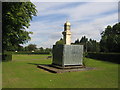
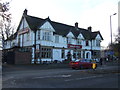
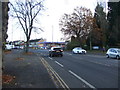
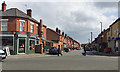
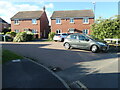
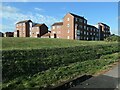
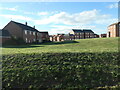
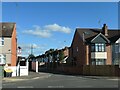
Area Information
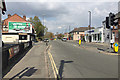
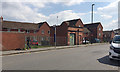
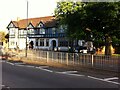
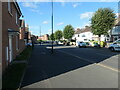
CV3 1BQ is a small residential cluster in Coventry, England, with a population of 2799 people. Situated to the south-east of the city centre, it lies within Lower Stoke Ward, an area shaped by a mix of historical and modern influences. The postcode covers a compact area divided by the Coventry-Rugby railway line, with newer housing developments to the north and older industrial estates to the south. This area has roots in Saxon times, with early 13th-century landholdings and 20th-century car manufacturing, including former Humber and Peugeot factories. Today, it balances residential living with light industry, offering a blend of practicality and proximity to Coventry’s urban core. Residents benefit from nearby rail links, including Canley and Tile Hill stations, and two airports within reach. The area’s character is defined by its compact layout, with grass verges and small factories still visible in parts. While the historic fabric has largely been replaced by modern housing, the legacy of its industrial past remains in the layout of roads like Humber Road. For buyers, this postcode offers a quiet, semi-urban setting with access to city amenities without the density of central Coventry.
- Area Type
- Postcode
- Area Size
- Not available
- Population
- Not available
- Population Density
- Not available
The property market in CV3 1BQ is dominated by houses, with 50% of homes owned by residents. This suggests a mix of owner-occupied properties and rental units, though the exact split is not provided. The area’s housing stock reflects its dual character: newer developments to the north, built on former industrial land, and older properties in the south, some of which retain features from the 20th-century car manufacturing era. The presence of light industrial estates and warehouses indicates that some properties may have commercial or mixed-use potential, though residential homes are the primary focus. For buyers, the small size of the postcode means the market is limited, with properties likely to be in close proximity to each other. The redevelopment of former factory sites into housing has created a distinct residential offering, but the area’s character remains influenced by its industrial past. Buyers should consider the practicality of living in a semi-urban setting with limited new-build options, though the proximity to Coventry’s transport network may offset this.
House Prices in CV3 1BQ
No properties found in this postcode.
Energy Efficiency in CV3 1BQ
Living in CV3 1BQ offers access to a range of local amenities, including five retail outlets such as Co-op Humber, Iceland Binley, and Lidl Upper. These shops provide everyday essentials, making the area self-sufficient for basic needs. The presence of five railway stations, including Tile Hill and Coventry Arena, ensures convenient travel for commuting, shopping, or leisure. While no major parks or recreational spaces are listed, the area’s proximity to Coventry’s urban core means residents can access larger green spaces and cultural venues nearby. The character of daily life here is shaped by its mixed-use nature: small factories and warehouses coexist with residential streets, creating a practical, no-frills environment. The retail options and rail links support a lifestyle that prioritises convenience over luxury, with a focus on accessibility. For those who value proximity to transport and practical amenities over sprawling leisure facilities, CV3 1BQ provides a straightforward, functional living experience.
Amenities
Schools
| Rank | School | Type | Entry gender | Ages |
|---|
Explore more schools in this area
Go to Schools tabDemographics
The population of CV3 1BQ has a median age of 47, with the most common age range being adults aged 30–64 years. This suggests a mature, stable community with a focus on established households. Home ownership accounts for 50% of properties, indicating a mix of owner-occupied and rental homes. The predominant accommodation type is houses, reflecting a suburban or semi-rural character. The predominant ethnic group is White, though the data does not provide further breakdowns on diversity or deprivation levels. The age profile implies a community with a strong presence of middle-aged residents, possibly linked to the area’s industrial history and the redevelopment of former factory sites into housing. With no specific data on deprivation, the quality of life here likely depends on access to local amenities and transport links. The 50% home ownership rate suggests a balance between long-term residents and those seeking rental properties, though the exact proportion of renters is not specified.
Household Size
Accommodation Type
Tenure
Ethnic Group
Religion
Household Composition
Age
Household Deprivation
NS-SEC
Explore more demographic insights in this area
Go to Demographics tabPlanning
Planning Constraints
- Flood RiskPremium
- Ramsar Wetland SitesPremium
- Area of Outstanding Natural BeautyPremium
- Protected Nature ReservePremium
- Protected WoodlandPremium