Area Overview for Bradnop
Photos of Bradnop
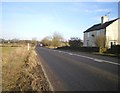
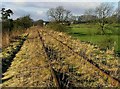
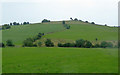
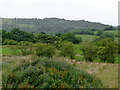
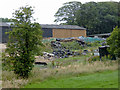
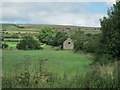
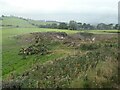
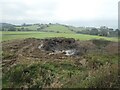
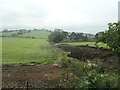
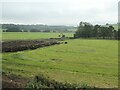
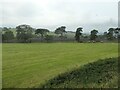
Area Information
Bradnop is a small civil parish in England covering an area of 13.3 square kilometres. Living in Bradnop means settling into a defined community where space is structured around a specific civil administration. The parish sits quietly within the wider landscape, offering residents a measured environment rather than the density found in larger urban centres. This distinct lack of sprawling growth contributes to a sense of containment and local identity for everyone calling the homes in Bradnop their own. Daily life here revolves around the practicalities of a contained settlement where neighbours are likely to know one another. You will find that the boundaries of this parish provide a clear frame for your daily routine, whether you are walking to local amenities or enjoying the open spaces within those 13.3 square kilometres. The size of the area suggests that travel between points of interest will often require short drives or walks rather than lengthy commutes. This scale supports a pace of life that remains distinct from the rush of major towns. Prospective buyers appreciate how the civil parish designation organises local governance and community focus. Living in Bradnop offers a clear, defined address and a home within a specific, manageable geographic footprint. The area provides a straightforward setting where the geography does not feel overwhelming or disconnected.
- Area Type
- Parish
- Area Size
- 13.3 km²
- Population
- Not available
- Population Density
- Not available
Demographics
The community profile of Bradnop presents a clear picture of an older, settled population. The median age here is 70 years old, which defines the character of the neighbourhood significantly. Most residents fall within broad age categories that indicate a mature demographic rather than a young family centre. With 87 per cent of homes owned outright, renter households are a rare sight in this parish. This high ownership rate suggests that most people staying in their current homes in Bradnop have done so for many years. Household composition reflects this stability, with fewer transient populations moving through the area regularly. The demographics show a place where long-term residents resist moving away quickly. This stability creates a quiet environment where daily interactions are familiar and predictable. You will live among neighbours who have likely known each other for decades. The lack of rental market activity means that property transactions are less frequent, which can affect how quickly you might connect with the community. Despite being an older area, the diversity remains low, reflecting the preferences of the residents who choose to settle here. The demographic data paints a consistent story of an enclave dedicated to those prioritising ownership and stability over mobility. Living in Bradnop is essentially living among people who have stayed put.
Household Size
Accommodation Type
Tenure
Ethnic Group
Religion
Household Composition
Age
Household Deprivation
NS-SEC
Explore more demographic insights in this area
Go to Demographics tabPlanning
Planning Constraints
- Flood RiskPremium
- Ramsar Wetland SitesPremium
- Area of Outstanding Natural BeautyPremium
- Protected Nature ReservePremium
- Crime RiskPremium