Area Overview for Belmont Rural
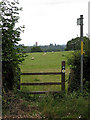
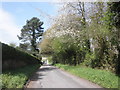
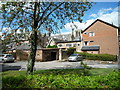
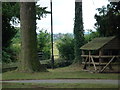
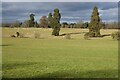
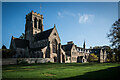
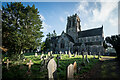
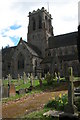
Photos of Belmont Rural
Area Information
Living in Belmont Rural offers a distinctly quiet experience within a small civil parish covering just 1.5 km². This compact size means the area feels intimate, where residents are often known to one another by sight if not by name. The environment is characterised by a close-knit community atmosphere rather than the anonymity of larger towns. You will find daily life revolves around a slower pace, prioritising nature and local interaction over commercial hustle. The area's status as a rural parish defines its identity, creating a setting ideal for those seeking privacy without needing to travel far for local facilities. Prospective homebuyers should understand that your view of the neighbourhood will be shaped immediately by its physical boundaries and lack of urban sprawl. Every property line defines the extent of your private space, reinforcing the sense of seclusion many seek in the countryside. The compact nature of the parish ensures that distances between homes are short, fostering a sense of shared community. However, this small footprint also means that noise and activity from neighbours can be more immediate than in sprawling districts. You are living in a place where the landscape dictates the rhythm of your day.
- Area Type
- District Borough Unitary Ward
- Area Size
- 1.5 km²
- Population
- Not available
- Population Density
- Not available
Demographics
The community in Belmont Rural is defined by a notably older population, which significantly shapes the social fabric. The median age stands at 70, indicating that the area is home to a generation well-settled into retirement or late-life living. This demographic profile suggests a lack of young families or single professionals, creating a village dynamic focused on leisure and established routines. Home ownership is the dominant mode of accommodation, with 70% of residents owning their property outright or with a mortgage. This high level of ownership contributes to long-term stability, as few residents move frequently in search of new opportunities. Accommodation types reflect the needs of this older demographic, though specific breakdowns of house styles are not detailed in current records. The household composition similarly follows the age trend, suggesting larger, multi-generational homes or single-occupancy dwellings are common. You will not find the transient feel of a student quarter or a young-worker estate here. Instead, the residents have likely lived in their current homes for decades. This stability means the local shops and services cater specifically to the requirements of an older, settled clientele. Your neighbours are permanent fixtures rather than temporary residents, ensuring a consistent and predictable community environment.
Household Size
Accommodation Type
Tenure
Ethnic Group
Religion
Household Composition
Age
Household Deprivation
NS-SEC
Explore more demographic insights in this area
Go to Demographics tabPlanning
Planning Constraints
- Flood RiskPremium
- Ramsar Wetland SitesPremium
- Area of Outstanding Natural BeautyPremium
- Protected Nature ReservePremium
- Protected WoodlandPremium