Area Overview for B74 2UE
Photos of B74 2UE
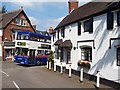

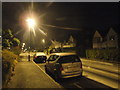
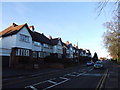
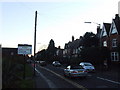
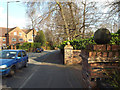
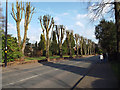
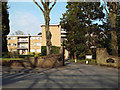
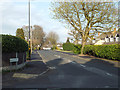
Area Information
Living in B74 2UE means occupying a specific residential cluster within the larger context of Sutton Coldfield. This postcode covers a measured area of 2427 square metres and contains a population of 1721 residents. The location sits in the West Midlands, an area where Sutton Coldfield became part of Birmingham in 1974. The name itself reflects its history; "Sutton" means "south town" relative to Tamworth, while "Coldfield" suggests a harsh exposure to wind or a place of charcoal burning. You are seeking a home near Holy Trinity Church, which dates back to around 1300, or perhaps close to the historic High Street conservation area. The community here is defined by a deep connection to the past, with medieval roots extending back to the Bronze Age and significant sporting revivals in the 16th century under Bishop John Vesey. While Birmingham was attacked during the English Civil War, this area remained safe, and King Charles II reportedly stayed at New Hall Manor nearby. Today, the town operates as a royal town with a documented society structure dating to 1528. Your daily life here involves proximity to these historic landmarks and a landscape shaped by centuries of development, from the 15 watermills that once powered the locality to the railways that transformed travel in the 19th century. The estate features houses, distinct from modern apartments, reflecting the town's evolution. You will find yourself in a neighbourhood where the outline of the original medieval deer park established for Mercian leaders still influences the local geography, specifically within Sutton Park. This postcodes area is defined by its size and its place within this historic royal town.
- Area Type
- Postcode
- Area Size
- 2427 m²
- Population
- 1721
- Population Density
- 3129 people/km²
The property market in B74 2UE is characterised by established housing rather than new builds or rental schemes. With 75% of homes occupied by owners, the area functions primarily as an owner-occupied market. This statistic means that if you are looking at homes in B74 2UE, you are likely entering a sale chain or purchasing a property from someone who has been there for a significant time. The dominant accommodation type is Houses, which offers a different lifestyle compared to flats common in city centres. This housing stock suits the adult demographic, where the median age is 47. Buyers here face a market where properties have been modified over time, reflecting the 300 years Earls of Warwick held the land or the enhancements made by Bishop Vesey. The 75% ownership figure contrasts with areas where 80% or more of stock is rented, indicating less pressure on the private rental sector. Consequently, your search for living in B74 2UE will focus on the existing stock of residential properties. These homes range from the 51 cottages the Bishop built for the poor to the larger dwellings that define the High Street conservation area. The stability of the housing market here is supported by the fact that residents have remained in these specific postcode locations long-term. You will find gardens and individual plots associated with the houses, distinguishing the area from high-density urban zones. The 75% ownership level ensures that the market responds to private sales rather than tenant turnover or landlord disposals.
House Prices in B74 2UE
Showing 1 properties
| Address | Type | Beds | Baths | Last Sale Price | Last Sale Date | |
|---|---|---|---|---|---|---|
| Lloyds Pharmacy, 228 Lichfield Road, Sutton Four Oaks, Sutton Coldfield, B74 2UE | retail_financial | - | - | - | - |
Energy Efficiency in B74 2UE
Your daily lifestyle in B74 2UE benefits from immediate access to established retail outlets and transport hubs. You have five retail options within practical reach, including Cook Mere, Sainsburys Mere, and Aldi Belwell Lane. These venues provide for everyday shopping needs without requiring a significant drive. For rail enthusiasts or commuters, five railway stations are conveniently located nearby. Four Oaks Railway Station, Butlers Lane Railway Station, and Sutton Coldfield Railway Station are situated close enough to influence your daily routine. Sutton Coldfield Railway Station stands out as a major node connecting to Lichfield via services extended from the original terminus. Beyond immediate amenities, the area is defined by its proximity to Sutton Park, a royal park established as a medieval deer park for Mercian leaders. The park retains this ancient character, offering extensive green space for walking or cycling. You also gain access to the historic High Street conservation area, where Archer marks can still be seen on a sandstone wall on Coleshill Street. These marks remind you that soldiers sharpened arrows here during the 15th century. The Royal Hotel, built in 1865 to welcome tourists, adds to the area's heritage. Walking past Holy Trinity Church allows you to experience a building constructed around 1300 with later additions funded by Bishop Vesey. Living in B74 2UE places you seconds away from these landmarks. You can shop at Aldi, Sainsburys Mere, or Cook Mere before heading into the park. The combination of modern retail chains and historic sites creates a balanced environment. Rail links ensure you can reach further destinations efficiently.
Amenities
Schools
| Rank | School | Type | Entry gender | Ages |
|---|
Explore more schools in this area
Go to Schools tabDemographics
The community in B74 2UE presents a clear picture of the adult household. The median age is 47 years, confirming that Adults between 30 and 64 years represent the most common age range. Home ownership stands at a substantial 75%, indicating that the vast majority of residents live in their own properties rather than renting. This high level of ownership typically suggests stability and long-term investment in the local housing stock. The predominant ethnic group is White, reflecting the traditional demographic composition of this part of the West Midlands. The primary accommodation type consists of Houses, which aligns with the mature age profile of the residents. Unlike areas dominated by flats, the housing stock here focuses on family homes or singles living in detached or semi-detached structures. The 75% ownership rate removes much of the variability found in private rental markets, creating an environment where neighbours often know each other. This demographic structure supports a stable community feel. You are not buying into a transient market but rather an established home environment. The age distribution directly correlates with the type of employment or retirement status many of the 1721 people residing here might hold. The presence of adults aged 30 to 64 suggests a mix of established families and those nearing retirement, both groups likely prioritising security and community over trendy, high-density living.
Household Size
Accommodation Type
Tenure
Ethnic Group
Religion
Household Composition
Age
Household Deprivation
NS-SEC
Explore more demographic insights in this area
Go to Demographics tabPlanning
Planning Constraints
- Flood RiskPremium
- Ramsar Wetland SitesPremium
- Area of Outstanding Natural BeautyPremium
- Protected Nature ReservePremium
- Protected WoodlandPremium