Area Overview for B26 2JT
Photos of B26 2JT
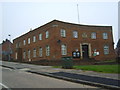
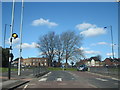
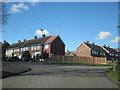
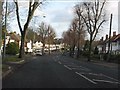
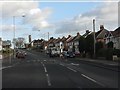
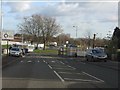
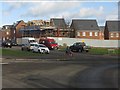
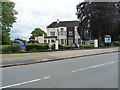
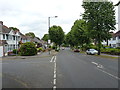
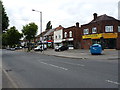
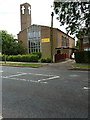
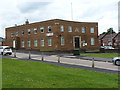
Area Information
Living in B26 2JT means being part of a compact, residential cluster in east Birmingham, where history and modernity intersect. With a population of 1,461, this area sits within Yardley East Ward, a district that has evolved from a medieval settlement into a suburban hub. Its roots trace back to 972 AD, when it was known as Gyrdleah, and it became part of Birmingham in 1911, expanding the city’s footprint dramatically. Today, B26 2JT blends Victorian terraced houses with 20th-century municipal estates, such as the Marlborough Farm and Fast Pits developments. The area’s character is defined by its conservation status, including Old Yardley, Birmingham’s first designated conservation area, and landmarks like Blakesley Hall, a 16th-century farmhouse. Residents benefit from proximity to key transport routes like Coventry Road and Stratford Road, while the nearby Acocks Green Police Station nods to the area’s Worcestershire heritage. This postcode offers a quiet, established community with a rich historical layer, ideal for those seeking a balance between tradition and convenience.
- Area Type
- Postcode
- Area Size
- Not available
- Population
- 1461
- Population Density
- 6292 people/km²
The property market in B26 2JT is characterised by high home ownership (84%) and a focus on houses rather than flats or apartments. This suggests a market skewed towards owner-occupied properties, with limited rental activity. The prevalence of houses indicates a housing stock that includes larger, family-friendly homes, many of which date back to the Victorian era or were built in 20th-century municipal estates like Marlborough Farm. For buyers, this means a limited number of properties available for purchase, as the area is small and tightly defined. The compact nature of B26 2JT means that those seeking homes here must consider nearby areas, such as Acocks Green or Stechford, where similar housing stock may be found. The high home ownership rate also implies strong community ties and a low turnover of properties, which can make the market less dynamic but more predictable for buyers.
House Prices in B26 2JT
No properties found in this postcode.
Energy Efficiency in B26 2JT
Residents of B26 2JT have access to a range of nearby amenities, including retail outlets such as Iceland Yardley, Co-op Yardley, and Asda Sheldon, which cater to daily shopping needs. The area’s rail network, with stations like Lea Hall and Acocks Green, connects to broader transport systems, while proximity to Birmingham International Airport and Bull Street metro station adds to its accessibility. The historical character of the area is complemented by landmarks like Blakesley Hall and the Yew Tree public house, which opened in 1926 and remains a local focal point. Parks and open spaces, though not explicitly named, are implied by the absence of planning constraints related to protected areas. This mix of practical amenities and historical sites creates a lifestyle that balances convenience with a sense of heritage, offering both modern comforts and a connection to the past.
Amenities
Schools
| Rank | School | Type | Entry gender | Ages |
|---|
Explore more schools in this area
Go to Schools tabDemographics
The community in B26 2JT is predominantly composed of adults aged 30–64, with a median age of 47. This suggests a mature, settled population, many of whom are likely long-term residents. Home ownership is high, at 84%, indicating a stable housing market where most residents live in their own homes rather than renting. The accommodation type is primarily houses, reflecting a preference for larger, private properties over flats. The predominant ethnic group is White, though the data does not specify further diversity metrics. This demographic profile suggests a community focused on family living and long-term residency, with fewer transient populations. The absence of detailed deprivation data means no direct commentary on socioeconomic challenges, but the high home ownership and age profile imply a generally stable quality of life.
Household Size
Accommodation Type
Tenure
Ethnic Group
Religion
Household Composition
Age
Household Deprivation
NS-SEC
Explore more demographic insights in this area
Go to Demographics tabPlanning
Planning Constraints
- Flood RiskPremium
- Ramsar Wetland SitesPremium
- Area of Outstanding Natural BeautyPremium
- Protected Nature ReservePremium
- Protected WoodlandPremium