Area Overview for B18 7JE
Photos of B18 7JE
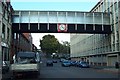
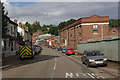
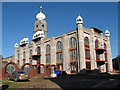
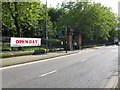
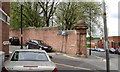
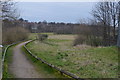
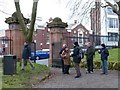
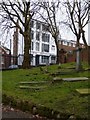
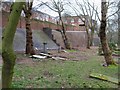
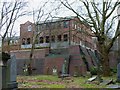
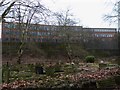
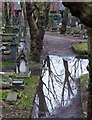
Area Information
Living in B18 7JE means being part of a small, tightly knit residential cluster in central Birmingham, within the historic Jewellery Quarter Improvement District. With a population of just 2,097, the area retains a distinct character shaped by its 18th-century industrial heritage and modern revitalisation. This postcode sits at the heart of a district awarded World Craft City status in 2025, celebrating its legacy as a hub for jewellery and metalwork. Daily life here blends historic architecture—such as Victorian and Edwardian buildings on Warstone Lane—with contemporary retail and creative industries. Residents benefit from proximity to landmarks like St Paul’s Church and the Museum of the Jewellery Quarter, while the area’s compact size means amenities are within easy reach. The community is defined by its mix of older residents and families, with a median age of 47 and a population skewed toward adults aged 30–64. Despite its small footprint, B18 7JE offers a blend of heritage, craftsmanship, and practical connectivity, making it a unique choice for those seeking a historically rich yet functional urban environment.
- Area Type
- Postcode
- Area Size
- Not available
- Population
- 2097
- Population Density
- 3541 people/km²
The property market in B18 7JE is characterised by a low home ownership rate of 34%, which suggests that the majority of housing stock is rented rather than owner-occupied. This dynamic is unusual for a central urban area and may indicate a reliance on private rentals or social housing. The accommodation type is predominantly houses, which contrasts with the typical high-density housing found in city centres. This mix of housing may appeal to families seeking more space, though the small population of 2,097 means the available stock is limited. Buyers in the area should consider the proximity to historic landmarks and transport links, but the compact size of B18 7JE means opportunities for expansion or development are constrained. For those prioritising ownership, the market may present niche opportunities, but competition is likely to be limited due to the area’s small scale.
House Prices in B18 7JE
No properties found in this postcode.
Energy Efficiency in B18 7JE
Residents of B18 7JE enjoy a lifestyle shaped by proximity to historic and practical amenities. Within walking distance are retail hubs like Tesco Hockley and Lidl Winson, ensuring daily shopping needs are met. The area’s transport links, including rail stations such as Five Ways and Jewellery Quarter, provide easy access to Birmingham’s broader network. For leisure, the historic Warstone Lane and nearby parks offer a contrast to the urban environment, while the Museum of the Jewellery Quarter and St Paul’s Church add cultural depth. The mix of heritage sites and modern retail reflects the area’s dual identity as a craft hub and functional residential zone. While the small population limits the scale of amenities, the compact layout ensures everything is within practical reach, creating a convenient yet characterful lifestyle for residents.
Amenities
Schools
Residents of B18 7JE have access to a range of school options, including St Edmund’s Catholic Primary School, a primary institution serving the local community. The City Hospital Teaching Unit is a special school, providing tailored education for students with specific needs. For independent education, Future First Independent School has an Ofsted rating of inadequate, while Orion School holds a good rating. This mix of school types offers families flexibility, though the presence of an inadequate-rated school may raise concerns about educational quality. The area’s proximity to both state and private institutions reflects its role as a residential hub for families, though the small population means school catchment areas are tightly defined. Parents should consider the specific needs of their children when evaluating these options, as the range of provision is limited by the area’s size.
| Rank | School | Type | Entry gender | Ages |
|---|
Explore more schools in this area
Go to Schools tabDemographics
The demographic profile of B18 7JE reflects a mature population, with a median age of 47 and the majority of residents falling within the 30–64 age range. Home ownership is relatively low at 34%, suggesting a significant proportion of residents rent their homes. The area is predominantly composed of houses, which is unusual for urban postcodes, indicating a mix of older properties and family-oriented housing. The predominant ethnic group is Black residents, highlighting the area’s cultural diversity. While specific deprivation data is not provided, the combination of low home ownership and a higher proportion of adult residents may suggest a community with varied economic profiles. The presence of both independent and state schools, along with nearby retail and transport hubs, indicates that the area caters to a range of household needs, though the small population size means services are limited to essential offerings.
Household Size
Accommodation Type
Tenure
Ethnic Group
Religion
Household Composition
Age
Household Deprivation
NS-SEC
Explore more demographic insights in this area
Go to Demographics tabPlanning
Planning Constraints
- Flood RiskPremium
- Ramsar Wetland SitesPremium
- Area of Outstanding Natural BeautyPremium
- Protected Nature ReservePremium
- Protected WoodlandPremium