Area Overview for B16 8UE
Photos of B16 8UE
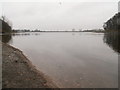
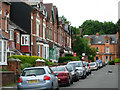
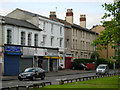
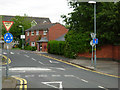
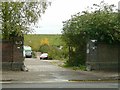
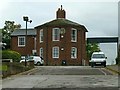
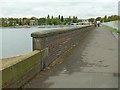
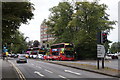
Area Information
Living in B16 8UE means inhabiting a tightly packed urban postcode in west Birmingham, part of the Ladywood Ward. This small area spans 6,650 square metres and is home to 1,884 people, making it one of the most densely populated parts of the city. Its proximity to Birmingham’s core — within walking distance of the Council House, Town Hall, and Centenary Square — positions it at the heart of the city’s administrative and cultural life. The area’s history is marked by regeneration, with slums cleared in the 1960s for housing that later fell into disrepair. Today, it remains a hub for commuters and students, with its compact footprint offering quick access to retail, transport, and public services. Despite its challenges, the area’s proximity to landmarks like Birmingham Children’s Hospital (until 1998) and its network of nearby amenities make it a practical choice for those prioritising convenience over space. The population, predominantly adults aged 30–64, reflects a community shaped by urban living, with a strong presence of flats and a low rate of home ownership.
- Area Type
- Postcode
- Area Size
- 6650 m²
- Population
- 1884
- Population Density
- 6485 people/km²
The property market in B16 8UE is characterised by a low rate of home ownership — just 14% of residents are homeowners — indicating that the area is primarily a rental market. Flats dominate the accommodation stock, reflecting the area’s compact size and historical development as high-density housing. This makes B16 8UE a practical choice for renters seeking proximity to Birmingham’s city centre, but it also limits opportunities for long-term investment in property. The small area size means buyers must look beyond immediate surroundings for larger homes, though nearby districts may offer more options. For those considering purchasing, the flat-dominated market suggests a focus on affordability rather than luxury, with properties likely prioritising location over space. The high population density and limited land area also mean competition for available properties, particularly in a city where demand for central living remains strong.
House Prices in B16 8UE
Showing 1 properties
| Address | Type | Beds | Baths | Last Sale Price | Last Sale Date | |
|---|---|---|---|---|---|---|
| 141 Hagley Road, Ladywood, Birmingham, B16 8UE | Terraced | - | - | - | - |
Energy Efficiency in B16 8UE
Residents of B16 8UE enjoy a compact yet well-connected lifestyle, with amenities within easy reach. The area’s proximity to retail hubs like Morrisons Edgbaston and Spar Ample ensures daily shopping needs are met, while nearby supermarkets such as Tesco Hagley provide additional options. The metro network, including Edgbaston Village and Centenary Square, offers access to dining, entertainment, and cultural attractions. For transport, five railway stations — including Five Ways and Birmingham Snow Hill — provide swift connections to the wider city and regional destinations. While the area’s dense urban character may lack green spaces, its location near Birmingham’s core means residents can access parks and leisure facilities in nearby districts. The mix of retail, transport, and proximity to landmarks like the Town Hall creates a dynamic environment, though the small size of the area means lifestyle choices are largely shaped by its immediate surroundings.
Amenities
Schools
Residents of B16 8UE have access to two primary schools and a sixth-form college. St George’s Church of England Primary School, located nearby, serves younger children and holds an Ofsted rating of ‘good’. This provides a solid foundation for early education. For older students, St Philip’s RC Sixth Form College offers post-16 education, catering to those pursuing further studies or vocational training. The combination of primary and sixth-form institutions ensures families can access a full spectrum of education without leaving the area. However, the absence of secondary schools means students may need to travel to nearby districts for comprehensive schooling. The presence of a ‘good’-rated primary school is a positive for families prioritising quality education, though the limited range of school types may require careful planning for older children’s needs.
| Rank | School | Type | Entry gender | Ages |
|---|
Explore more schools in this area
Go to Schools tabDemographics
The demographic profile of B16 8UE is defined by a median age of 22, though the most common age range is 30–64 years, indicating a mature working population. Only 14% of residents own their homes, with flats making up the majority of accommodation types. This suggests a rental-dominated market, where transient or younger households predominate. The predominant ethnic group is Black communities, reflecting the area’s historical and social context. With a population density of 283,310 people per square kilometre, the area is among the most crowded in the UK, which can impact quality of life through limited space and potential strain on services. The low home ownership rate may indicate economic pressures or a preference for rental living, though it also means the community is likely diverse and dynamic. The age distribution suggests a mix of young professionals and families, though the absence of data on deprivation levels means the full picture of living standards remains unclear.
Household Size
Accommodation Type
Tenure
Ethnic Group
Religion
Household Composition
Age
Household Deprivation
NS-SEC
Explore more demographic insights in this area
Go to Demographics tabPlanning
Planning Constraints
- Flood RiskPremium
- Ramsar Wetland SitesPremium
- Area of Outstanding Natural BeautyPremium
- Protected Nature ReservePremium
- Protected WoodlandPremium