Area Overview for B16 8NZ
Photos of B16 8NZ
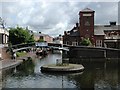
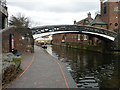
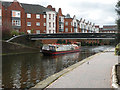
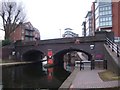
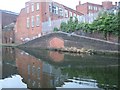
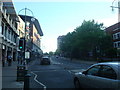
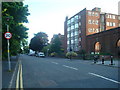
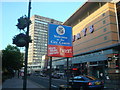
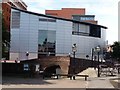
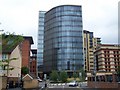

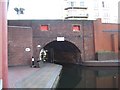
Area Information
B16 8NZ is a small, tightly packed postcode area in west Birmingham, nestled within the Ladywood Ward. With a population of 1,787, it reflects the dense urban fabric of central Birmingham, where historic and modern elements intertwine. The area is defined by its proximity to key landmarks like the Council House and Town Hall, as well as the remnants of 19th-century industrial and social challenges. Today, it is a young community, with a median age of 22 and a majority of residents aged 15–29. This demographic suggests a dynamic, often transient population, shaped by student life, rental markets, and the area’s role as a gateway to Birmingham’s city centre. While the postcode covers a limited geographic footprint, its strategic location near major transport hubs and retail corridors makes it a practical choice for those prioritising connectivity over space. However, the legacy of past regeneration projects—such as the clearance of 1960s high-rise housing—leaves a complex social landscape, with high rental dependency and a distinct cultural character rooted in its history as a former slum district.
- Area Type
- Postcode
- Area Size
- Not available
- Population
- 1787
- Population Density
- 12479 people/km²
The property market in B16 8NZ is almost entirely rental-driven, with just 12% of homes owned by residents. The accommodation type is exclusively flats, a legacy of mid-20th-century housing projects that prioritised high-density living. This flat-dominated stock means the area lacks larger family homes or detached properties, making it unsuitable for those seeking long-term ownership or space. The small postcode area and limited housing stock suggest a constrained market, where demand for rental properties outstrips supply. For buyers, this presents challenges: the area is not a traditional buyer’s market, and properties are likely to be smaller, older, or require significant investment. However, proximity to Birmingham’s city centre—within walking distance of Edgbaston Village and the Jewellery Quarter—may offset the lack of space for those prioritising location over size.
House Prices in B16 8NZ
No properties found in this postcode.
Energy Efficiency in B16 8NZ
Living in B16 8NZ means access to a range of amenities within walking or short-vehicle distance. The area’s retail offerings include Morrisons Edgbaston, Spar Edgbaston, and other local shops, catering to daily needs. Nearby metro points such as Edgbaston Village, Centenary Square, and the Town Hall provide access to cultural, commercial, and civic spaces. The proximity to Birmingham’s city centre also means residents can enjoy the vibrancy of the Jewellery Quarter and the historic architecture of the Council House. While the area lacks large parks or green spaces, its compact nature ensures convenience: essential services, dining options, and transport links are all within a short radius. This density supports a fast-paced lifestyle but may feel overwhelming for those seeking quieter, more spacious environments.
Amenities
Schools
| Rank | School | Type | Entry gender | Ages |
|---|
Explore more schools in this area
Go to Schools tabDemographics
B16 8NZ is overwhelmingly young, with a median age of 22 and the most common age range being 15–29 years. This suggests a population skewed towards students, young professionals, and those in transitional life stages. Home ownership is exceptionally low at 12%, indicating that the majority of residents are renters, likely drawn by the area’s proximity to Birmingham’s city centre and affordable housing options. The accommodation type is predominantly flats, reflecting the legacy of post-war housing developments and the area’s compact layout. The predominant ethnic group is Black residents, though the data does not specify further breakdowns. This demographic profile aligns with Ladywood’s historical role as a working-class district, though modern gentrification pressures may be reshaping its social fabric. The low home ownership rate and young population suggest a community focused on short-term stability, with limited intergenerational housing diversity.
Household Size
Accommodation Type
Tenure
Ethnic Group
Religion
Household Composition
Age
Household Deprivation
NS-SEC
Explore more demographic insights in this area
Go to Demographics tabPlanning
Planning Constraints
- Flood RiskPremium
- Ramsar Wetland SitesPremium
- Area of Outstanding Natural BeautyPremium
- Protected Nature ReservePremium
- Protected WoodlandPremium
- Crime RiskPremium