Area Overview for B16 8NX
Photos of B16 8NX
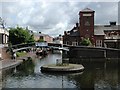
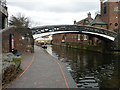
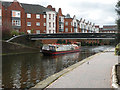
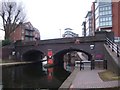
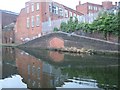
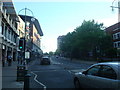
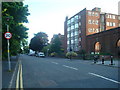
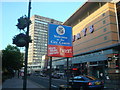
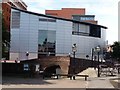
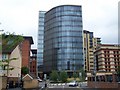

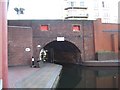
Area Information
B16 8NX is a small, densely populated postcode area in west Birmingham, part of the historically significant Ladywood Ward. With just 1,884 residents, it reflects the character of an inner-city district shaped by decades of urban development and regeneration. The area is closely linked to Birmingham’s city centre, with landmarks like the Council House and Town Hall nearby. Its proximity to central Birmingham offers easy access to cultural, commercial, and administrative hubs, though the residential cluster itself is compact. Daily life here is defined by urban convenience, with a mix of older housing stock and post-2000 developments. The area’s demographics suggest a community of working-age adults, many of whom may be students or professionals navigating the city’s dynamic economy. While the population is relatively small, the area’s integration with Birmingham’s core means residents benefit from the city’s infrastructure, albeit within a tightly bounded neighbourhood.
- Area Type
- Postcode
- Area Size
- Not available
- Population
- 1884
- Population Density
- 6485 people/km²
The property market in B16 8NX is characterised by a low rate of home ownership—just 14% of households are owner-occupied—suggesting that the area is primarily a rental market. The accommodation type is predominantly flats, a legacy of mid-20th-century housing policies and post-war redevelopment. This contrasts with areas where semi-detached or terraced homes dominate, and it means buyers seeking owner-occupied properties may find limited options here. The small postcode area’s housing stock is likely concentrated in multi-unit blocks, many of which were built in the 1960s or later. For those considering the area, proximity to Birmingham’s city centre may offset the lack of traditional home ownership opportunities, but buyers should be aware that the market is not geared toward long-term investment in private property.
House Prices in B16 8NX
No properties found in this postcode.
Energy Efficiency in B16 8NX
The lifestyle in B16 8NX is defined by urban accessibility, with amenities such as Edgbaston Village, Centenary Square, and the Town Hall within reach. Retail options include major supermarkets like Morrisons Edgbaston and Sainsburys Brindley, while rail stations like Five Ways and Birmingham Snow Hill provide frequent connections. The area’s compact size means residents can walk or cycle to nearby hubs, though the absence of parks or open spaces may be a drawback for those prioritising greenery. The mix of retail, cultural, and transport amenities supports a convenient, though densely populated, urban existence.
Amenities
Schools
Residents of B16 8NX have access to St George’s Church of England Primary School, a primary school with an Ofsted rating of ‘good’, and St Philip’s RC Sixth Form College, which specialises in post-16 education. The presence of both a primary and sixth-form institution suggests a mixed educational landscape, catering to families with children at different stages of their schooling. However, the absence of secondary schools in the immediate vicinity may require students to commute to nearby areas for comprehensive education. The ‘good’ rating at St George’s indicates a reliable primary education, but parents seeking a full range of school types may need to look beyond the postcode for secondary options.
| Rank | School | Type | Entry gender | Ages |
|---|
Explore more schools in this area
Go to Schools tabDemographics
B16 8NX has a median age of 22, but the most common age range among residents is 30–64 years, indicating a population skewed toward working-age adults. Only 14% of households are owner-occupied, with flats being the predominant type of accommodation. This suggests a rental-heavy market, likely influenced by the area’s history of social housing and post-1960s redevelopment. The predominant ethnic group is Black residents, reflecting broader demographic patterns in Birmingham’s inner-city wards. While no specific deprivation data is provided, the low home ownership rate and flat-based housing may correlate with economic challenges, though this area’s proximity to employment and transport links could mitigate some of these factors. The demographic profile paints a picture of a community shaped by urban living, with a focus on affordability over homeownership.
Household Size
Accommodation Type
Tenure
Ethnic Group
Religion
Household Composition
Age
Household Deprivation
NS-SEC
Explore more demographic insights in this area
Go to Demographics tabPlanning
Planning Constraints
- Flood RiskPremium
- Ramsar Wetland SitesPremium
- Area of Outstanding Natural BeautyPremium
- Protected Nature ReservePremium
- Protected WoodlandPremium