Area Overview for B16 8NG
Photos of B16 8NG
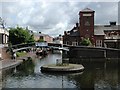
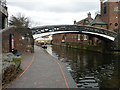
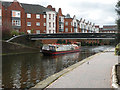
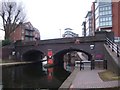
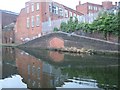
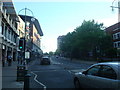
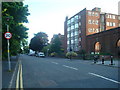
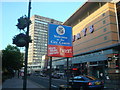
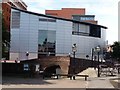
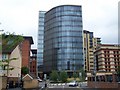

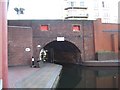
Area Information
B16 8NG is a small residential postcode cluster in west Birmingham, situated within the historically significant Ladywood Ward. This area, part of central Birmingham’s urban core, is defined by its proximity to landmarks such as the Council House, Town Hall, and Birmingham Children’s Hospital, which relocated in 1998. With a population of just 1,787, it is a compact community characterised by its inner-city location and historical ties to the city’s development. The area’s demographics reflect a young population, with a median age of 22 and the majority of residents aged 15–29. This suggests a dynamic, possibly student or young professional-driven community. Despite its small size, B16 8NG is connected to broader Birmingham through its transport networks and amenities, though its character is shaped by its dense urban setting and legacy of 20th-century housing reforms. Living here means navigating a mix of modern infrastructure and historical context, with limited green spaces but strong connectivity to the city’s cultural and economic hubs.
- Area Type
- Postcode
- Area Size
- Not available
- Population
- 1787
- Population Density
- 12479 people/km²
B16 8NG is a rental-dominated area, with only 12% of residents owning their homes. This suggests a market where flats are the primary housing type, likely reflecting the post-1960s redevelopment of the area. The small postcode cluster implies limited property stock, which may mean competition for available homes. For buyers, this presents challenges: the low home ownership rate indicates a high proportion of rental properties, potentially reducing opportunities for purchase. Flats, rather than detached or semi-detached homes, dominate, which may appeal to younger buyers or those prioritising affordability over space. However, the small size of the area means that property options are constrained, and buyers may need to consider nearby postcodes for more variety. The rental market’s prevalence also suggests that property values may be influenced by demand from students or transient professionals, rather than long-term investment.
House Prices in B16 8NG
No properties found in this postcode.
Energy Efficiency in B16 8NG
Residents of B16 8NG benefit from proximity to key urban amenities, including five metro stops such as Edgbaston Village, Centenary Square, and the Town Hall. Retail options within reach include Morrisons Edgbaston and Spar stores, offering daily shopping convenience. The area’s central location means it is close to Birmingham’s cultural and administrative heart, with access to landmarks like the Council House and historical sites. While green spaces are limited, the density of amenities supports a lifestyle focused on urban living, with easy access to dining, leisure, and public services. The presence of multiple railway stations enhances mobility, allowing quick travel to other parts of the city. However, the area’s character is shaped by its history of regeneration, with a mix of older housing stock and modern infrastructure. For those prioritising convenience and connectivity over suburban amenities, B16 8NG offers a compact, accessible urban environment.
Amenities
Schools
| Rank | School | Type | Entry gender | Ages |
|---|
Explore more schools in this area
Go to Schools tabDemographics
B16 8NG has a median age of 22, with the most common age group being young adults aged 15–29. This indicates a community dominated by students, graduates, or early-career professionals. Only 12% of residents own their homes, suggesting a rental-heavy market, which may influence the area’s transient nature. The predominant accommodation type is flats, reflecting post-1960s housing developments that replaced earlier slums. The black_total ethnic group constitutes the largest demographic, though specific proportions are not quantified. The low home ownership rate and youthful population profile suggest a community focused on affordability and mobility rather than long-term settlement. This dynamic may shape local social dynamics, with a high reliance on public services and amenities. The area’s history of regeneration and social challenges also means that quality of life factors such as safety and infrastructure are critical considerations for residents.
Household Size
Accommodation Type
Tenure
Ethnic Group
Religion
Household Composition
Age
Household Deprivation
NS-SEC
Explore more demographic insights in this area
Go to Demographics tabPlanning
Planning Constraints
- Flood RiskPremium
- Ramsar Wetland SitesPremium
- Area of Outstanding Natural BeautyPremium
- Protected Nature ReservePremium
- Protected WoodlandPremium
- Crime RiskPremium