Area Overview for B16 8BT
Photos of B16 8BT
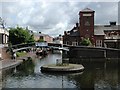
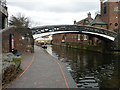
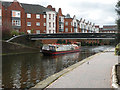
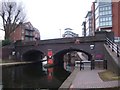
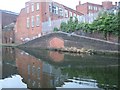
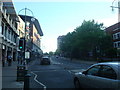
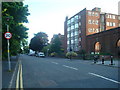
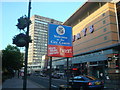
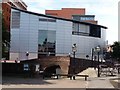
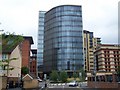

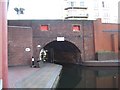
Area Information
Living in B16 8BT places you in the heart of Birmingham’s Ladywood Ward, a historically complex inner-city district now redefined by urban regeneration. This small postcode area, home to 1,172 residents, sits within a densely populated cluster of flats, reflecting its role as a transitional space between the city centre and surrounding neighbourhoods. The area’s proximity to landmarks like Birmingham’s Town Hall and Council House underscores its central location, while its history of social challenges—such as past slum clearance and high crime rates—shapes its present character. Despite this, B16 8BT benefits from modern infrastructure, including five nearby rail stations and strong broadband connectivity. Daily life here is defined by urban convenience, with shops, transport hubs, and schools within walking distance. However, the community remains predominantly young, with a median age of 22, and a majority of residents aged 30–64, suggesting a mix of long-term locals and transient workers. This postcode is not for those seeking rural tranquillity; it is a place of movement, reinvention, and proximity to Birmingham’s beating core.
- Area Type
- Postcode
- Area Size
- Not available
- Population
- 1172
- Population Density
- 12468 people/km²
The property market in B16 8BT is almost entirely rental-focused, with only 16% of residents owning their homes. This starkly contrasts with the 84% who rent, highlighting a market dominated by flats rather than detached or semi-detached properties. The accommodation type—flats—suggests a housing stock largely developed for high-density living, typical of post-war social housing projects. For buyers, this means limited opportunities for owner-occupation within the postcode itself, though nearby areas may offer more varied options. The low home ownership rate also implies a community where residents may be more mobile, potentially affecting the stability of local amenities and services. For those seeking to buy, B16 8BT is not a strong candidate for long-term investment, but its proximity to Birmingham’s transport networks and city centre could make it a short-term rental or transitional choice. Buyers should consider extending their search to adjacent wards for more traditional housing stock.
House Prices in B16 8BT
No properties found in this postcode.
Energy Efficiency in B16 8BT
Life in B16 8BT revolves around convenience and proximity. The area’s retail offerings include Spar, Sainsburys Brindley, and Spar Edgbaston, providing essential shopping within walking distance. For transport, five rail stations and three metro stops ensure easy access to Birmingham’s city centre, with stops at Centenary Square and Town Hall offering direct links to cultural and administrative landmarks. While the area lacks expansive parks, its urban layout means residents can reach green spaces in nearby wards. The presence of multiple schools, combined with the density of housing, fosters a community-oriented environment, though the predominance of flats suggests a transient population. The lifestyle here is practical, with amenities prioritising efficiency over leisure, making it ideal for commuters or those valuing urban accessibility. However, the absence of detailed data on dining or leisure venues means the full range of options remains unexplored, requiring further local investigation.
Amenities
Schools
Residents of B16 8BT have access to two primary schools within practical reach: St John’s Ladywood Church of England Primary School and St John’s & St Peter’s CofE Primary. Both institutions cater to younger children, with the latter holding a ‘good’ Ofsted rating, a notable benchmark for educational quality. The presence of two primary schools within the area suggests a focus on early education, though the absence of secondary schools means families may need to look further afield for comprehensive schooling. For parents prioritising primary education, the ‘good’ rating at St John’s & St Peter’s offers reassurance, but the lack of detailed performance data for the other school means potential buyers should investigate further. The proximity of these schools to residential flats aligns with the area’s density, making it convenient for families but potentially limiting options for those requiring specialist or secondary education within the immediate vicinity.
| Rank | School | Type | Entry gender | Ages |
|---|
Explore more schools in this area
Go to Schools tabDemographics
B16 8BT’s population of 1,172 is disproportionately young, with a median age of 22, though the most common age group is adults aged 30–64. This suggests a community shaped by both student populations and working-age residents. Home ownership here is exceptionally low at 16%, indicating a rental-dominated market, with flats making up the majority of accommodation. The predominant ethnic group is White, though specific diversity metrics are not provided. The low home ownership rate and prevalence of flats suggest a transient demographic, possibly influenced by the area’s history of social housing redevelopment. For quality of life, this dynamic may mean limited long-term stability for residents, though it also reflects the area’s role as a hub for workers commuting to Birmingham’s central business districts. The absence of detailed deprivation data means its socioeconomic challenges remain underexplored, but the 16% ownership figure alone signals a reliance on rental income and a potential vulnerability to housing market fluctuations.
Household Size
Accommodation Type
Tenure
Ethnic Group
Religion
Household Composition
Age
Household Deprivation
NS-SEC
Explore more demographic insights in this area
Go to Demographics tabPlanning
Planning Constraints
- Flood RiskPremium
- Ramsar Wetland SitesPremium
- Area of Outstanding Natural BeautyPremium
- Protected Nature ReservePremium
- Protected WoodlandPremium