Area Overview for B16 8BN
Photos of B16 8BN
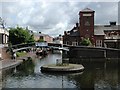
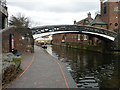
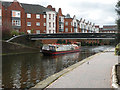
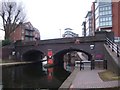
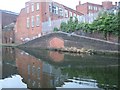
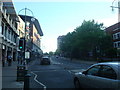
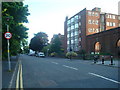
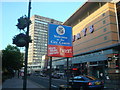
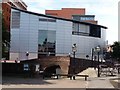
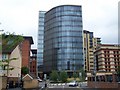

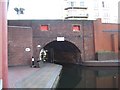
Area Information
B16 8BN is a small residential postcode cluster in west Birmingham, situated within the Ladywood Ward. This area, part of the city’s historic inner core, is defined by its proximity to landmarks like Birmingham Town Hall and the Council House. With a population of 1,787, it is a tightly knit community, though its size reflects its role as a compact, urban enclave rather than a sprawling suburb. The area’s character is shaped by its history as a former industrial and working-class district, with remnants of 19th-century redevelopment evident in its housing stock. Today, B16 8BN is accessible via multiple rail lines and proximity to central Birmingham’s metro hubs, making it a viable option for commuters. While the area lacks green spaces or natural amenities, its location near key civic and retail nodes offers convenience for those prioritising urban connectivity. However, the demographic profile—skewed toward young adults (15–29 years) and a high proportion of renters—suggests a transient population, often linked to student or young professional lifestyles. Living here means navigating a mix of modern infrastructure and the challenges of a densely populated inner-city setting.
- Area Type
- Postcode
- Area Size
- Not available
- Population
- 1787
- Population Density
- 12479 people/km²
The property market in B16 8BN is overwhelmingly rental-focused, with just 12% of residents owning their homes. This statistic underscores the area’s role as a secondary market for tenants rather than a primary destination for homebuyers. The predominant accommodation type is flats, a legacy of mid-20th-century housing policies that prioritised high-density living in urban centres. These flats, often part of larger housing developments, reflect the area’s history of post-war redevelopment and its continued function as a space for transient populations. For buyers, this means limited opportunities for owner-occupied properties, with most available homes likely to be in the rental sector. The small size of the postcode area further restricts the range of properties available, making it difficult to find unique or diverse housing options. Those considering purchase here should expect a market dominated by leasehold properties, with potential challenges related to long-term value appreciation in a low-ownership environment.
House Prices in B16 8BN
No properties found in this postcode.
Energy Efficiency in B16 8BN
Living in B16 8BN grants access to a range of urban amenities within walking or short-vehicle distance. Retail options include Morrisons Edgbaston and Spar outlets, providing essential shopping for daily needs. The area’s proximity to Edgbaston Village and Centenary Square offers cultural and leisure opportunities, from dining to public events. Rail connectivity is strong, with Five Ways and Birmingham Snow Hill stations enabling swift travel to surrounding towns and cities. While the area lacks extensive green spaces, its location near Birmingham’s central hubs ensures ease of access to parks, museums, and other attractions in the wider city. The density of services and transport links makes it convenient for those prioritising urban living, though the absence of nearby parks or recreational spaces may be a limitation for families or nature enthusiasts. The mix of retail, transport, and cultural access positions B16 8BN as a practical choice for those seeking a connected, city-centre lifestyle.
Amenities
Schools
| Rank | School | Type | Entry gender | Ages |
|---|
Explore more schools in this area
Go to Schools tabDemographics
The population of B16 8BN is overwhelmingly young, with a median age of 22 and the majority of residents falling within the 15–29 age range. This demographic skew suggests a community dominated by students, recent graduates, or young professionals, likely drawn to the area’s proximity to Birmingham’s central amenities. Home ownership is minimal, with only 12% of residents owning their homes—a stark indication that the area functions primarily as a rental market. The predominant accommodation type is flats, reflecting the legacy of post-war housing developments and the area’s compact layout. Ethnically, the population is characterised by a high proportion of Black residents, aligning with broader trends in inner-city Birmingham. This demographic profile influences the local character, with a focus on communal living and shared spaces. The low home ownership rate and young age profile also imply limited long-term investment in property, which may affect housing stability and value retention. For prospective buyers, this suggests a market where owner-occupation is rare, and rental demand is likely to remain strong.
Household Size
Accommodation Type
Tenure
Ethnic Group
Religion
Household Composition
Age
Household Deprivation
NS-SEC
Explore more demographic insights in this area
Go to Demographics tabPlanning
Planning Constraints
- Flood RiskPremium
- Ramsar Wetland SitesPremium
- Area of Outstanding Natural BeautyPremium
- Protected Nature ReservePremium
- Protected WoodlandPremium