Area Overview for B15 1EZ
Photos of B15 1EZ
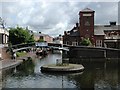
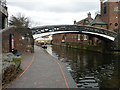
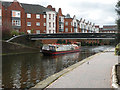
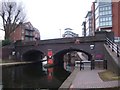
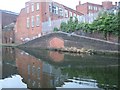
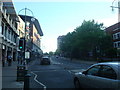
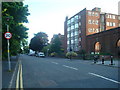
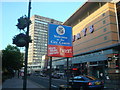
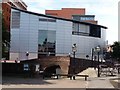
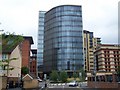

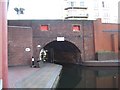
Area Information
B15 1EZ lies at the heart of Birmingham’s Ladywood Ward, a historically significant inner-city district known for its proximity to the Council House, Town Hall, and key landmarks like Birmingham Children’s Hospital. With a population of 2,304, this small postcode area reflects a densely urban, young demographic, shaped by its history of 19th- and 20th-century redevelopment. The area’s character is defined by its compact residential cluster, bordered by landmarks such as Centenary Square and Edgbaston Village. While it lacks the sprawling green spaces of outer suburbs, its location offers direct access to Birmingham’s cultural and administrative hubs. Daily life here is centred around proximity to rail networks, retail outlets, and the city’s vibrant core. However, its history of social challenges—rooted in post-war housing projects and ongoing urban regeneration—means residents navigate a mix of practicality and evolving infrastructure. For those seeking a central, connected location with a young, dynamic population, B15 1EZ offers a distinct blend of convenience and complexity.
- Area Type
- Postcode
- Area Size
- Not available
- Population
- 2304
- Population Density
- 10459 people/km²
The property market in B15 1EZ is overwhelmingly rental-focused, with only 10% of homes owner-occupied. This reflects the area’s legacy of post-war housing developments, which prioritised high-density flats over private ownership. The predominance of flats—rather than detached or semi-detached homes—means the housing stock is suited to short-term tenancies, particularly for young professionals or students. Buyers seeking owner-occupied properties in this small postcode will find limited options, with most available homes likely to be in the rental sector. The compact nature of the area also means that property values are closely tied to proximity to Birmingham’s central amenities, such as rail stations and retail hubs. For those considering purchase, the market is not geared towards long-term investment but rather transient occupancy, with prices likely influenced more by location and convenience than by traditional property appreciation trends.
House Prices in B15 1EZ
No properties found in this postcode.
Energy Efficiency in B15 1EZ
Living in B15 1EZ grants access to a range of amenities within walking or short transit distance. Retail options include Sainsburys Brindley, Spar Edgbaston, and other local stores, providing daily necessities. The area’s proximity to Centenary Square, Edgbaston Village, and the Town Hall means residents are near cultural and civic spaces. While the ward lacks expansive parks, its urban layout prioritises accessibility over green space. The metro network and rail stations offer seamless connections to Birmingham’s broader leisure and business districts. The character of the area is defined by its compact, central location, where convenience often trumps space. However, the limited availability of private amenities—such as dedicated parks or recreational facilities—means residents must rely on nearby city-wide resources. For those valuing proximity to Birmingham’s core, the lifestyle in B15 1EZ is defined by immediacy and integration with the city’s rhythm.
Amenities
Schools
| Rank | School | Type | Entry gender | Ages |
|---|
Explore more schools in this area
Go to Schools tabDemographics
B15 1EZ has a median age of 22, with the majority of residents aged 15–29. This reflects a young adult demographic, likely drawn to the area’s proximity to Birmingham’s city centre and educational institutions. Home ownership is exceptionally low at 10%, indicating a rental-dominated market where flats are the primary accommodation type. This aligns with the ward’s history of post-war high-rise housing, many of which were demolished by 2000. The predominant ethnic group is White, though specific data on diversity beyond this is not available. The age profile suggests a community focused on transient living, possibly including students or young professionals. The low home ownership rate and flat-centric housing stock imply limited long-term stability for residents. Combined with the area’s history of social challenges, this demographic profile underscores a neighbourhood in transition, where economic and social dynamics are closely tied to broader urban regeneration efforts.
Household Size
Accommodation Type
Tenure
Ethnic Group
Religion
Household Composition
Age
Household Deprivation
NS-SEC
Explore more demographic insights in this area
Go to Demographics tabPlanning
Planning Constraints
- Flood RiskPremium
- Ramsar Wetland SitesPremium
- Area of Outstanding Natural BeautyPremium
- Protected Nature ReservePremium
- Protected WoodlandPremium