Area Overview for B10 0QD
Photos of B10 0QD
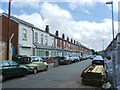
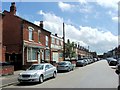
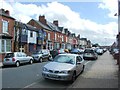
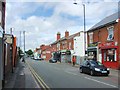
Area Information
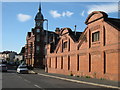
Living in B10 0QD, a small residential cluster in Birmingham, England, means being part of a tight-knit community within two miles of the city centre. With a population of 1854, the area is compact yet rich in history, tracing back to 1285 as *La Grene de Bordeslei*. Its modern identity blends 20th-century urban development with preserved landmarks like the Ideal Village, built between 1908 and 1914. This area is defined by its proximity to transport hubs, including five nearby railway stations such as Small Heath and Bordesley, and metro stops like Corporation Street. Daily life here balances convenience with a sense of rootedness, with amenities like St Paul’s Church and the surviving early 20th-century fire station adding character. The mix of housing, retail, and green spaces makes it appealing to families and professionals seeking a blend of city access and community spirit.
- Area Type
- Postcode
- Area Size
- Not available
- Population
- 1854
- Population Density
- 17343 people/km²
The property market in B10 0QD is characterised by a 40% home ownership rate, pointing to a rental-dominated landscape. The accommodation type is primarily houses, which is uncommon in densely populated urban areas, suggesting a focus on family-friendly housing. Given the small area size and limited housing stock, properties here are likely to be in high demand, particularly for those seeking larger homes near transport links. The presence of the Ideal Village, with its low-density housing and communal spaces, may appeal to buyers prioritising privacy and greenery. However, the rental market’s dominance could mean limited long-term investment potential for homeowners. Prospective buyers should consider the area’s proximity to Birmingham’s core, which may drive property values but also competition for available homes.
House Prices in B10 0QD
No properties found in this postcode.
Energy Efficiency in B10 0QD
Life in B10 0QD offers a blend of urban convenience and community-focused amenities. Nearby, residents can shop at Morrisons Bordesley, Iceland Birmingham, and Asda Small, while the metro stops at Corporation Street and Bull Street provide quick access to Birmingham’s commercial and cultural hubs. The Ideal Village, with its shops, park, and school, adds a localised charm, fostering a sense of place. St Paul’s Church and its associated community projects in Belchers Lane and Finnemore Road contribute to the area’s social fabric. Parks and green spaces, though not explicitly named, are implied through historical references to the Ideal Village’s park. The mix of retail, transport, and heritage sites ensures daily life is both practical and enriched by the area’s character.
Amenities
Schools
| Rank | School | Type | Entry gender | Ages |
|---|
Explore more schools in this area
Go to Schools tabDemographics
B10 0QD has a median age of 22, though the most common age range is adults aged 30–64, suggesting a mix of young professionals and established households. Home ownership here is 40%, indicating a rental-heavy market with a significant proportion of residents living in rented properties. The predominant ethnic group is Asian, reflecting the area’s cultural diversity. With a population of 1854, the community is small enough to foster familiarity but diverse enough to offer varied perspectives. The age profile suggests a balance between younger residents and families, though the low median age may indicate a transient population. This demographic mix influences local services, with amenities like schools and retail tailored to both families and working adults.
Household Size
Accommodation Type
Tenure
Ethnic Group
Religion
Household Composition
Age
Household Deprivation
NS-SEC
Explore more demographic insights in this area
Go to Demographics tabPlanning
Planning Constraints
- Flood RiskPremium
- Ramsar Wetland SitesPremium
- Area of Outstanding Natural BeautyPremium
- Protected Nature ReservePremium
- Protected WoodlandPremium