Area Overview for B1 2HB
Photos of B1 2HB
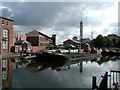
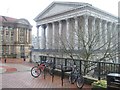
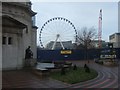
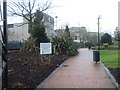
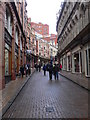
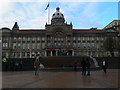
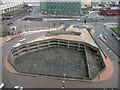
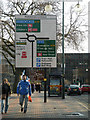
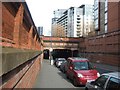
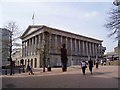
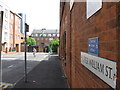
Area Information
B1 2HB is a compact postcode area in central Birmingham, England, forming part of the Ladywood Ward. With a population of 2,304, it is a densely populated inner-city district characterised by its proximity to key landmarks such as the Council House, Town Hall, and Birmingham Children’s Hospital. Historically, the area was shaped by 19th-century industrialisation and mid-20th-century redevelopment, with many of its flats constructed in the post-war era. Today, it is a hub of urban living, bordered by areas like Hockley and Lee Bank. The area’s small size means its residents share a tight-knit, if transient, community. Daily life is shaped by proximity to Birmingham’s cultural and administrative heart, with easy access to retail, transport, and public services. However, its inner-city location also brings challenges, including higher crime rates and a reliance on public transport. For buyers, B1 2HB offers a glimpse into Birmingham’s evolving urban fabric, though its limited housing stock and social dynamics demand careful consideration.
- Area Type
- Postcode
- Area Size
- Not available
- Population
- 2304
- Population Density
- 10459 people/km²
The property market in B1 2HB is overwhelmingly rental-focused, with only 10% of homes owned by residents. The accommodation type is predominantly flats, a reflection of the area’s post-war housing stock and its role as a densely populated inner-city district. This concentration of flats suggests limited availability of larger family homes or detached properties, making the area more suited to singles, couples, or small households. The small size of the postcode means the housing stock is finite, and buyers seeking property in B1 2HB must compete with a high demand from renters. For those considering purchase, the low home ownership rate indicates a market where property is often seen as a short-term investment rather than a long-term residence. The lack of diversity in housing types also means buyers may need to look beyond the immediate area for alternative options.
House Prices in B1 2HB
No properties found in this postcode.
Energy Efficiency in B1 2HB
Living in B1 2HB offers access to a range of essential amenities within walking distance. Retail options include Sainsburys Brindley, Spar, and Tesco Birmingham, providing everyday shopping convenience. The area’s proximity to Centenary Square, Town Hall, and Grand Central New Street ensures easy access to cultural and administrative hubs. Nearby railway stations like Five Ways and Birmingham Snow Hill connect residents to broader Birmingham and beyond. While the area lacks extensive green spaces, its urban setting offers a vibrant, fast-paced lifestyle with minimal need for car ownership. The density of services and transport links makes daily life efficient, though the lack of parks or recreational areas may be a drawback for those prioritising outdoor leisure. Overall, B1 2HB caters to those who value convenience and proximity to city amenities over expansive natural environments.
Amenities
Schools
| Rank | School | Type | Entry gender | Ages |
|---|
Explore more schools in this area
Go to Schools tabDemographics
B1 2HB’s population skews heavily towards young adults, with a median age of 22 and the most common age range being 15–29 years. This reflects a community dominated by students, recent graduates, and young professionals. Home ownership is exceptionally low at 10%, indicating that the majority of residents are renters, often in flats. The accommodation type is almost exclusively flats, a legacy of post-war housing projects and subsequent redevelopment. The predominant ethnic group is White, though the data does not specify further diversity metrics. The area’s youthful demographic and high proportion of renters suggest a transient population, which influences the social character of the neighbourhood. Low home ownership also means limited long-term investment in property, shaping the local economy and housing market. For prospective buyers, this profile highlights a market skewed towards rental demand, with limited opportunities for owner-occupation.
Household Size
Accommodation Type
Tenure
Ethnic Group
Religion
Household Composition
Age
Household Deprivation
NS-SEC
Explore more demographic insights in this area
Go to Demographics tabPlanning
Planning Constraints
- Flood RiskPremium
- Ramsar Wetland SitesPremium
- Area of Outstanding Natural BeautyPremium
- Protected Nature ReservePremium
- Protected WoodlandPremium