Area Overview for B1 2AA
Photos of B1 2AA
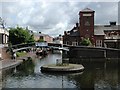
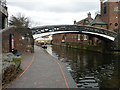
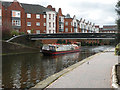
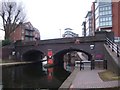
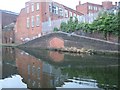
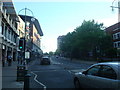
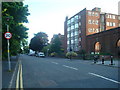
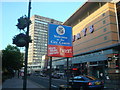
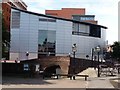
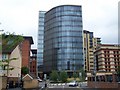
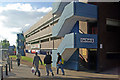
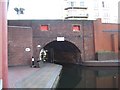
Area Information
B1 2AA is a small, densely populated postcode area in west Birmingham, covering just 2.3 hectares and home to 1,126 residents. Its high population density of 48,030 people per square kilometre reflects its role as an inner-city ward, part of the historically significant Ladywood district. This area, once shaped by medieval woodlands and 19th-century slums, now sits near key landmarks like Birmingham’s Council House and Town Hall. Daily life here is defined by proximity to the city centre, with easy access to cultural and administrative hubs. The area’s compact size means residents share close quarters, fostering a tightly knit community. While its urban setting offers convenience, it also carries the legacy of social challenges common to inner-city districts. For those considering living here, the mix of historical context, central location, and practical amenities creates a distinctive urban experience, though one that demands awareness of the area’s complex character.
- Area Type
- Postcode
- Area Size
- 2.3 hectares
- Population
- 1126
- Population Density
- 3617 people/km²
B1 2AA is a rental-focused area, with only 24% of residents owning their homes. The accommodation type is exclusively flats, reflecting a housing stock shaped by post-war redevelopment and subsequent demolitions. Given the area’s small size—just 2.3 hectares—housing options are limited, and the high population density of 48,030 people per square kilometre suggests a lack of spacious properties. For buyers, this means competition for a scarce stock of flats, many of which may be in older, urban housing stock. The area’s proximity to Birmingham’s city centre could offset its limitations, offering convenience for those prioritising location over space. However, the rental-heavy market and compact footprint may make it challenging for buyers seeking larger or more private properties.
House Prices in B1 2AA
Showing 4 properties
| Address | Type | Beds | Baths | Last Sale Price | Last Sale Date | |
|---|---|---|---|---|---|---|
| Bottega, Unit 1, National Indoor Arena, King Edwards Road, Birmingham, B1 2AA | restaurant_cafe | - | - | - | - | |
| Legoland Discovery Centre, National Indoor Arena, King Edwards Road, Birmingham, B1 2AA | community_day_centre | - | - | - | - | |
| Birmingham Nia, National Indoor Arena, King Edwards Road, Birmingham, B1 2AA | assembly_leisure | - | - | - | - | |
| Sommar, National Indoor Arena, King Edwards Road, Birmingham, B1 2AA | pub | - | - | - | - |
Energy Efficiency in B1 2AA
Life in B1 2AA is characterised by proximity to Birmingham’s core, with nearby amenities including retail outlets like Sainsburys Brindley and Co-op Birmingham, which cater to everyday shopping needs. The area’s metro stops—Centenary Square, Town Hall, and St Paul’s—offer direct access to cultural and administrative hubs, while rail stations provide swift links to surrounding towns. The urban setting means parks and green spaces are limited, but the area’s historical landmarks, such as the Council House, add to its identity. The compact layout encourages a walkable lifestyle, though the lack of expansive recreational areas may require residents to venture further for leisure. Despite its density, the mix of retail, transport, and central location creates a functional, if tightly packed, urban experience.
Amenities
Schools
Residents of B1 2AA have access to two notable schools. Nelson Junior and Infant School is a primary school with a good Ofsted rating, providing a solid foundation for younger children. Nearby is the Children’s Hospital School, a special school catering to students with specific educational needs. This mix of school types ensures families have options for both mainstream and specialist education. The presence of a high-quality primary school is a key draw for families, while the special school highlights the area’s capacity to support diverse educational requirements. However, the absence of secondary schools in the immediate vicinity may require families to seek options further afield, though the area’s central location could ease access to broader educational networks.
| Rank | School | Type | Entry gender | Ages |
|---|
Explore more schools in this area
Go to Schools tabDemographics
The population of B1 2AA is predominantly middle-aged adults, with a median age of 47 and the most common age range spanning 30–64 years. Only 24% of residents own their homes, reflecting a rental-dominated market, and the accommodation type is almost entirely flats. The predominant ethnic group is White, though specific diversity statistics are not provided. The high population density—48,030 people per square kilometre—suggests a compact, possibly mixed-use environment where space is limited. This density may influence daily life, with shared amenities and close proximity to neighbours. The age profile indicates a community of working-age adults, potentially shaping local services and social dynamics. However, the lack of detailed diversity data means broader demographic trends remain unexplored.
Household Size
Accommodation Type
Tenure
Ethnic Group
Religion
Household Composition
Age
Household Deprivation
NS-SEC
Explore more demographic insights in this area
Go to Demographics tabPlanning
Planning Constraints
- Flood RiskPremium
- Ramsar Wetland SitesPremium
- Area of Outstanding Natural BeautyPremium
- Protected Nature ReservePremium
- Protected WoodlandPremium