Area Overview for PL13 2NN
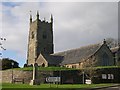
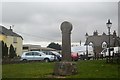
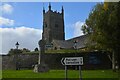
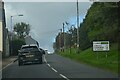
Photos of PL13 2NN
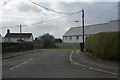
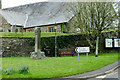
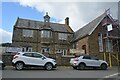
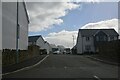
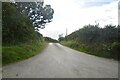
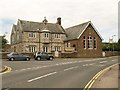


Area Information
PL13 2NN represents a small residential cluster in Cornwall, covering an area of 2.1 hectares. This specific postcode serves a local population of 1,841 residents, resulting in a population density of 59 people per square kilometre. The setting is defined by its compact footprint, which fosters a close-knit environment for those choosing to live in this southern stretches of the peninsula. You will find a neighbourhood where space and privacy are key characteristics, typical of rural and semi-rural postcodes in the region. Daily life here moves at a measured pace, distanced from the rapid commutes associated with major motorways yet well-connected to local rail hubs. The small scale of the area means that residents interact frequently with their immediate surroundings, creating a community where local knowledge is widespread. When you consider homes in PL13 2NN, you are looking at a property cluster that balances isolation with accessibility to nearby towns. This postcode is ideal for individuals seeking a quiet address without sacrificing proximity to essential services or transport links found near Shaldon or Torpoint. The distinction of living here is primarily about owning a piece of a smaller, manageable community rather than navigating a bustling urban centre.
- Area Type
- Postcode
- Area Size
- 2.1 hectares
- Population
- 1841
- Population Density
- 59 people/km²
The housing stock in PL13 2NN is defined by its composition of houses, with 72% of residents being homeowners. This high ownership percentage characterises the market as primarily owner-occupied, suggesting a stable environment where changes of ownership occur less frequently than in rental-heavy districts. You can expect to find traditional house types rather than modern flats or apartments within this small 2.1-hectare cluster. The prevalence of owner-occupied homes often means that properties are maintained by long-term residents, preserving the architectural character of the neighbourhood. Buyers looking at homes in PL13 2NN are typically drawn to this area for the sense of permanence that high ownership levels indicate. The accommodation type data confirms that you will not find a high density of social housing or purpose-built rental blocks in this specific postcode. Instead, the market consists largely of private residences suitable for those seeking to settle down in a rural setting. This makes the area attractive to those wishing to avoid the volatility of the private rental sector. The small total area of 1,841 inhabitants further limits large-scale property developments, keeping the housing landscape consistent with agricultural or garden suburbs.
House Prices in PL13 2NN
Showing 5 properties
| Address | Type | Beds | Baths | Last Sale Price | Last Sale Date | |
|---|---|---|---|---|---|---|
| 2 Tregarrick Way, Pelynt, PL13 2NN | Detached | 3 | - | - | - | |
| 4 Tregarrick Way, Pelynt, PL13 2NN | Bungalow | 3 | 1 | - | - | |
| 1 Tregarrick Way, Pelynt, PL13 2NN | Detached | - | - | - | - | |
| 6 Tregarrick Way, Pelynt, PL13 2NN | Detached | 3 | 2 | - | - | |
| 3 Tregarrick Way, Pelynt, PL13 2NN | Bungalow | - | - | - | - |
Energy Efficiency in PL13 2NN
Residents of PL13 2NN have access to a variety of amenities within practical reach, supporting daily errands and leisure activities. Retail options include five local stores, with notable names such as Spar, Spar, and Co-op East providing essential groceries and household goods. Transport connectivity is enhanced by a network of five railway stations, including Sandplace Railway Station, Looe Railway Station, and Causeland Railway Station, offering routes to larger towns and beyond. Additionally, five ferry landing sites, such as Bodinnick Ferry Landing, Fowey Custom House Quay Ferry Landing, and Fowey Town Quay Ferry Landing, provide access to coastal destinations. These 30-minute travel options connect you to historic waterfronts and scenic routes along the Cornish coast. Living in PL13 2NN means enjoying the convenience of named services like Co-op East without the bustle of city centres. The availability of multiple ferry points also supports leisure travel, making weekend excursions to Fowey or Bodinnick straightforward. This blend of retail outlets and transport hubs ensures that daily life is manageable while maintaining access to the wider region.
Amenities
Schools
Education options for families living in PL13 2NN include two identified primary institutions. Pelynt School operates as a primary school within the local vicinity. Nearby, Pelynt Primary Academy also serves as a primary school and holds an Ofsted rating of good. This dual presence of primary education centres suggests a strong focus on early childhood development and foundational learning within the catchment area. There is no data provided for secondary schools in the immediate neighbourhood, meaning local families will likely need to look further afield for secondary education. The mix of schools indicates that childcare and primary schooling are well-supported, which is vital for residents with young children. When evaluating schools near PL13 2NN, you must consider the travel implications for secondary-aged children, as they will likely attend institutions outside the immediate 2.1-hectare cluster. The good rating for Pelynt Primary Academy offers reassurance regarding the quality of early education available to children growing up in this postcode.
| Rank | School | Type | Entry gender | Ages |
|---|
Explore more schools in this area
Go to Schools tabDemographics
The community in PL13 2NN is distinctly mature, with a median age of 47 years. The most common age bracket comprises the elderly population aged 65 and over, indicating a neighbourhood often favoured by retirees or families with older members. Home ownership stands at 72%, a high figure that suggests stability and long-term settlement among residents. You will predominantly encounter houses rather than flats or terraced accommodation, reflecting the rural and spacious nature of the built environment. The demographic profile is also homogenous, with White residents forming the predominant ethnic group. This concentration of older homeowners in single-family homes creates a stable social fabric where neighbours often know one another well. Living in PL13 2NN means joining a community where decision-makers tend to own their residences outright or via mortgage, rather than renting. The high ownership rate often correlates with lower turnover, leading to quieter streets and established routines. Families here are likely to have stayed for decades, valuing the continuity provided by the local schools and proximity to amenities in Pelynt or Saltash.
Household Size
Accommodation Type
Tenure
Ethnic Group
Religion
Household Composition
Age
Household Deprivation
NS-SEC
Explore more demographic insights in this area
Go to Demographics tabPlanning
Planning Constraints
- Flood RiskPremium
- Ramsar Wetland SitesPremium
- Area of Outstanding Natural BeautyPremium
- Protected Nature ReservePremium
- Protected WoodlandPremium