Area Overview for Canterbury
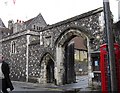
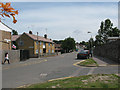
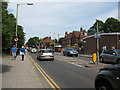
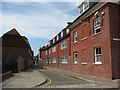
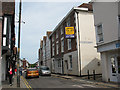
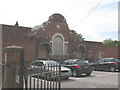
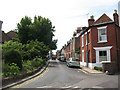
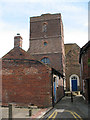
Photos of Canterbury
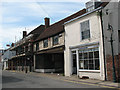
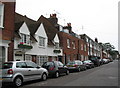
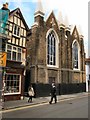
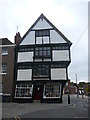
Area Information
Canterbury houses 14,980 people across an urban area of 13.2 square kilometres. This density results in roughly 1,131 residents per square kilometre, creating a compact built-up environment typical of a historic town. You will find yourself living in a space where proximity dictates daily interactions, balancing the quiet of a small city with the infrastructure of a regional hub. The layout supports a lifestyle where essential services and transport links are metres away rather than miles. Living in Canterbury means navigating an area defined by manageable size and established neighbourhoods rather than sprawling suburbs. Every block likely offers a sense of community because the physical boundaries are small enough for residents to know one another. The town centre anchors your daily routine, providing access to schools, shops, and transport without requiring long commutes. This concentration of population creates a self-contained community where you can run errands and access amenities from your doorstep. The area does not stretch into vast expanses, so you often see familiar faces and recognise local changes quickly. This density shapes the rhythm of life, making it easy to maintain connections while still enjoying the privacy of your own property.
- Area Type
- Built Up Area 250
- Area Size
- 13.2 km²
- Population
- 14980
- Population Density
- 1131 people/km²
Daily life in Canterbury centre around accessible amenities that are within practical reach of residents. You have immediate access to five retail locations, including Sainsburys Canterbury, Sainsburys Canterbury (confirming two distinct or significant presence points), and M&S Canterbury. These shops allow you to buy groceries and grab essentials without leaving your immediate neighbourhood. Transport links are equally strong, with five railway stations nearby, including Canterbury West, Canterbury East, and Sturry. Canterbury West and Canterbury East serve as key interchange points for trains entering and leaving the city, while Sturry provides a local connection for communities on the edge of the urban area. Shopping at M&S or Sainsburys takes minutes from many households, ensuring convenience for errands. While dining and leisure specific venues are not detailed in the provided data, the retail presence indicates a commercial core capable of supporting daily needs. Living here means you shop and commute locally rather than travelling into larger regional centres unnecessarily. The availability of national high-street brands like Marks & Spencer confirms that the town centre remains a viable destination for residents.
Amenities
Schools
Families considering schools near Canterbury have several options within the local area. Kingsmead Primary School operates as a primary institution serving children in the community. Parkside Community Primary School holds a good Ofsted rating, reflecting strong educational standards and effective management. St Stephen's Junior School and St Stephen's Infant School offer comprehensive primary education under one trust, supporting children through different stages of childhood development. Pilgrims' Way Primary School and Nursery extends early years provision, providing care from infancy through key stages. These five schools form the backbone of local education for residents living in Canterbury. The presence of multiple primary schools ensures you have choices if you have children of varying ages. You will find a focus on core primary education for most families, with fewer secondary institutions listed in the immediate vicinity. When researching schools, checking Ofsted ratings remains essential, and Parkside stands out with its confirmed good rating. The concentration of primary schools suggests a neighbourhood supportive of young families, even if the overall age profile skews older. You can expect a cooperative network among these educational institutions that prioritises local attendance and community integration.
| Rank | A + A* % | School | Type | Entry gender | Ages |
|---|---|---|---|---|---|
| 1 | N/A | Kingsmead Primary School | primary | N/A | N/A |
| 2 | N/A | Parkside Community Primary School | primary | N/A | N/A |
| 3 | N/A | St Stephen's Junior School | primary | N/A | N/A |
| 4 | N/A | St Stephen's Infant School | primary | N/A | N/A |
| 5 | N/A | Pilgrims' Way Primary School and Nursery | primary | N/A | N/A |
Explore more schools in this area
Go to Schools tabDemographics
Residents of Canterbury reflect a settled community with a median age of 70 years. The population is older than the national average, indicating a neighbourhood where many have called this home for decades. Half of all households own their properties outright, creating an environment of stability and long-term residency. This 50% ownership rate suggests that investment and retirement homes dominate the housing stock, while the remaining half may be renting or purchasing their first home. The demographic data reveals a community where age is a defining characteristic, shaping local demand for housing and services. You will likely encounter an older population that prioritises stability and convenience over rapid change or transient living arrangements. This age profile influences the types of amenities that thrive here, from accessible transport to mature retail offerings. Understanding these figures helps you gauge whether the community aligns with your own life stage and long-term plans. The absence of younger family clusters might limit certain vibrant, youth-focused scenes, but it ensures a more peaceful, established atmosphere. When you buy homes in Canterbury, you enter a market where residents value permanence and local knowledge. The household composition and accommodation types support a lifestyle centred on maturity and enduring neighbourhood ties.
Household Size
Accommodation Type
Tenure
Ethnic Group
Religion
Household Composition
Age
Household Deprivation
NS-SEC
Explore more demographic insights in this area
Go to Demographics tabPlanning
Planning Constraints
- Crime RiskLocked