Area Overview for Kent
Photos of Kent

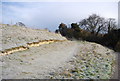

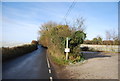





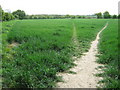
Area Information
Kent stands as a distinctive ceremonial county in southeastern England, spanning approximately 3,907.9 square kilometres. Its position makes it the southeasternmost county of Great Britain, creating a unique landscape that shifts from marshy northern shores to the wooded Weald in the south. You will find a spine of chalk hills known as the North Downs running through the region, while the southeast features the Strait of Dover and English Channel coastline. Modern coordinates place the area centrally near Maidstone, the historic county town, yet the region extends from Greater London to the northwest to East Sussex in the southwest. The geographic diversity offers varied townscapes in the metropolitan conurbation alongside fertile rural solitudes. This includes urban and suburban zones within London's commuter belt, such as Sevenoaks and Tonbridge, contrasting with the former Isle of Thanet and challenging chalk cliffs. Historically significant, Kent was an Anglo-Saxon kingdom where Julius Caesar landed in 55 BC. Later, St Augustine established himself in Canterbury in 597 AD, cementing its religious heritage. Today, you can explore key landmarks like the White Cliffs of Dover and Canterbury Cathedral while enjoying the Kent Downs Area of Outstanding Natural Beauty. Living in Kent means accessing a environment defined by rich history and varied terrain, from coastal features like Romney Marsh to quiet country houses like Knole.
- Area Type
- Ceremonial Counties Region
- Area Size
- 3907.9 km²
- Population
- Not available
- Population Density
- Not available
Demographics
The community profile of Kent reveals a mature population with a median age of 70 years. This high median age indicates a demographic skewed significantly towards older residents compared to the national average. Intra-county analysis shows that the most common data category recorded is simply total age, meaning granular breakdowns by specific younger or middle-aged brackets are not detailed in the available records. Despite this demographic maturity, the area maintains a strong sense of permanence with a home ownership rate of 67%. This high level of ownership suggests that a substantial portion of the population has settled long-term, rather than moving frequently as renters. The household composition and accommodation type data are recorded generally as total figures, reflecting the broad spread of housing across the county's diverse landscapes from Maidstone to the coast. Ethnically, the predominant group is recorded as the total population, implying that the area does not feature a single narrowly dominant minority group based on the provided statistics. Religious affiliations are also noted only as a total, preventing specific sectarian claims. For those looking at living in Kent, the data points to a stable environment where residents are more likely to own their homes than to rent them. The average household age reinforces a picture of a retirement or established family destination rather than a hub for recent young arrivals.