Area Overview for CT1 1ZA
Photos of CT1 1ZA
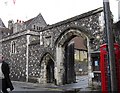
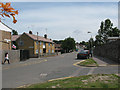
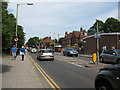
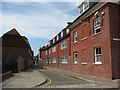
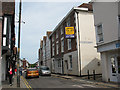
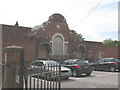
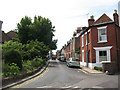
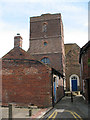
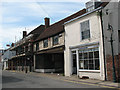
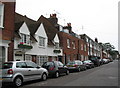
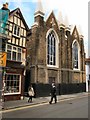
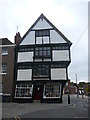
Area Information
Living in CT1 1ZA means being part of a tightly knit residential cluster within Canterbury’s historic heart. This postcode covers just 7,249 square metres, housing 1,549 people in a densely populated area. Its proximity to Canterbury’s UNESCO World Heritage Site adds a layer of historical significance, with nearby landmarks like Barton Hall and medieval precincts offering glimpses into the city’s past. The area is part of Barton Ward, a small electoral district with a population of around 2,085, reflecting its compact nature. Daily life here is shaped by its location: within walking distance of Canterbury’s bustling high street, yet nestled in a quieter, more residential setting. The area’s small size means amenities and services are closely clustered, though its density also means living spaces are tightly packed. For those seeking a blend of history, convenience, and community, CT1 1ZA offers a unique microcosm of Canterbury’s character. However, its compact footprint means every decision about where to live here carries weight, from proximity to transport to the balance of privacy and shared space.
- Area Type
- Postcode
- Area Size
- 7249 m²
- Population
- Not available
- Population Density
- Not available
The property market in CT1 1ZA is characterised by a low home ownership rate of 20%, with houses making up the majority of accommodation types. This suggests a rental market dominated by short-term or temporary tenancies, likely catering to students, young professionals, and those working in Canterbury’s service sector. The area’s small size means housing stock is limited, with properties concentrated in a compact footprint. Buyers should expect a focus on single-family homes, though the high population density implies these may be smaller or shared among multiple occupants. The rental market’s dominance may make owner-occupation less common, potentially affecting property values and investment appeal. For those considering purchase, the area’s proximity to Canterbury’s amenities and transport links could offset its limited housing supply. However, the transient nature of the community, driven by its young demographic, means property demand may fluctuate with seasonal or academic cycles.
House Prices in CT1 1ZA
No properties found in this postcode.
Energy Efficiency in CT1 1ZA
Residents of CT1 1ZA have access to a range of nearby amenities, including five retail outlets such as Farmfoods Canterbury, Sainsburys Canterbury, and Aldi Sturry. These shops provide everyday essentials, though the area’s small size means choices are limited to major chains. The proximity to Canterbury’s historic core adds cultural and recreational opportunities, from medieval sites to the city’s UNESCO-listed architecture. While the data does not specify parks or leisure facilities, the area’s integration with Canterbury’s urban fabric suggests access to local green spaces and community hubs. The rail network further enhances convenience, linking residents to broader regional amenities. For those prioritising practicality, the cluster of shops and transport options offers a compact, functional lifestyle. However, the absence of detailed information on leisure facilities means buyers should explore the wider Canterbury area for additional recreational opportunities.
Amenities
Schools
| Rank | School | Type | Entry gender | Ages |
|---|
Explore more schools in this area
Go to Schools tabDemographics
CT1 1ZA has a median age of 22, with the majority of residents aged between 15 and 29. This young demographic dominates, reflecting a community skewed toward students, recent graduates, and young professionals. Only 20% of homes are owner-occupied, indicating a rental-heavy market where temporary or short-term housing is common. The area’s accommodation is primarily houses, though the high population density of 213,678 people per square kilometre suggests these are often smaller, multi-occupancy properties. The predominant ethnic group is White, with no data provided on other demographics. The low home ownership rate and youthful profile suggest a transient population, possibly linked to Canterbury’s status as a university town. For residents, this means a dynamic but potentially less stable community, where social networks may shift frequently. The area’s appeal lies in its affordability and proximity to Canterbury’s amenities, though the high density and rental focus may impact long-term stability for some.
Household Size
Accommodation Type
Tenure
Ethnic Group
Religion
Household Composition
Age
Household Deprivation
NS-SEC
Explore more demographic insights in this area
Go to Demographics tabPlanning
Planning Constraints
- Flood RiskPremium
- Ramsar Wetland SitesPremium
- Area of Outstanding Natural BeautyPremium
- Protected Nature ReservePremium
- Protected WoodlandPremium
- Crime RiskPremium