Area Overview for CT1 1LU
Photos of CT1 1LU
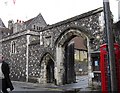
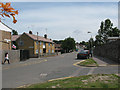
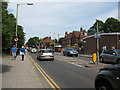
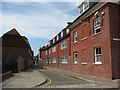
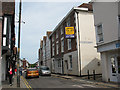
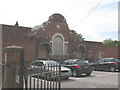
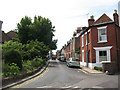
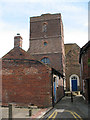
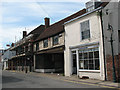
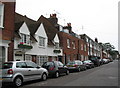
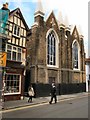
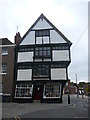
Area Information
Living in CT1 1LU means being part of a small, densely populated residential cluster within Canterbury’s historic city boundaries. This postcode area, covering just 1,305 square metres, is home to 1,549 people, translating to a population density of over 1.1 million per square kilometre. Situated in Barton Ward, a medieval electoral division within Canterbury’s UNESCO World Heritage Site, the area blends historical significance with modern convenience. Residents benefit from proximity to Canterbury’s cultural landmarks, including Barton Hall and Jesus Hospital, while nearby amenities like Sainsburys, Waitrose, and M&S in Canterbury provide everyday shopping. The area’s compact size means most services and transport links are within walking distance. With a median age of 22 and a strong presence of young adults, CT1 1LU is a dynamic, youthful community. Its location near Canterbury’s rail network, including West and East stations, offers easy access to regional hubs. However, the area’s small footprint means demand for housing is high, and the 20% home ownership rate suggests a rental-dominated market. For buyers, this is a niche area where proximity to history and infrastructure meets a compact, active lifestyle.
- Area Type
- Postcode
- Area Size
- 1305 m²
- Population
- Not available
- Population Density
- Not available
The property market in CT1 1LU is dominated by rental demand, with only 20% of residents owning their homes. This suggests a market where owner-occupation is less common, likely due to the area’s small size and high density. The accommodation type is primarily houses, which may reflect a mix of older, family-oriented properties and newer builds catering to young professionals. Given the area’s compact footprint, housing stock is limited, and buyers may find competition for available properties. The high population density—over 1.1 million per square kilometre—means land is scarce, potentially driving up prices for available homes. For those considering purchase, the focus should be on properties with strong rental potential, given the area’s reliance on tenants. However, the small size of CT1 1LU means buyers must act quickly, as inventory is likely limited. The proximity to Canterbury’s amenities and transport links may offset the challenges of a tight market.
House Prices in CT1 1LU
No properties found in this postcode.
Energy Efficiency in CT1 1LU
Living in CT1 1LU offers a blend of historical charm and modern convenience. Nearby amenities include major retailers like Sainsburys Canterbury, Waitrose Canterbury, and M&S Canterbury, ensuring everyday shopping needs are met without long journeys. The area’s proximity to Canterbury’s rail network—via stations such as Canterbury West and Sturry—connects residents to broader regional opportunities, while the city’s UNESCO World Heritage status provides cultural and historical richness. Though the area itself is small, its location within Canterbury means access to parks, museums, and leisure facilities is within reach. The youthful demographic and rental-dominated market suggest a community focused on affordability and accessibility. However, the compact size means space is limited, and residents must balance proximity to services with the constraints of a densely populated environment. For those prioritising convenience over space, CT1 1LU offers a practical, if tightly packed, lifestyle.
Amenities
Schools
| Rank | School | Type | Entry gender | Ages |
|---|
Explore more schools in this area
Go to Schools tabDemographics
CT1 1LU’s population skews heavily towards young adults, with 22 as the median age and 15–29-year-olds forming the most common age group. This demographic profile shapes the area’s character, with a focus on affordability and proximity to services. Only 20% of residents own their homes, indicating a predominantly rental market, while the accommodation type is primarily houses. The predominant ethnic group is White, reflecting Canterbury’s broader demographic trends. The high population density—over 1.1 million per square kilometre—suggests a compact, possibly multi-generational living environment. However, the lack of specific data on deprivation or income levels means the area’s economic challenges remain unquantified. For young professionals or students, the area’s youthful population and proximity to Canterbury’s universities and cultural sites may be appealing. Yet, the low home ownership rate and high density could signal limited long-term investment potential for property buyers seeking stability.
Household Size
Accommodation Type
Tenure
Ethnic Group
Religion
Household Composition
Age
Household Deprivation
NS-SEC
Explore more demographic insights in this area
Go to Demographics tabPlanning
Planning Constraints
- Flood RiskPremium
- Ramsar Wetland SitesPremium
- Area of Outstanding Natural BeautyPremium
- Protected Nature ReservePremium
- Protected WoodlandPremium
- Crime RiskPremium