Area Overview for M5 4FU
Photos of M5 4FU
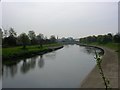
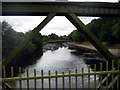

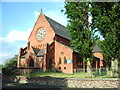
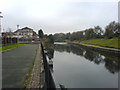
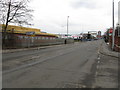
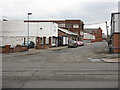
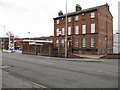
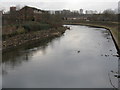

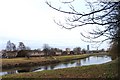

Area Information
M5 4FU is a compact residential postcode in England, covering just 1.8 hectares and home to 1,561 residents. Its high population density of 84,517 people per square kilometre reflects a tightly clustered community, typical of urban or semi-urban settings. The area’s small size means it is likely part of a larger neighbourhood, with proximity to amenities and transport hubs. Residents here are predominantly adults aged 30–64, with a median age of 47, suggesting a mature demographic focused on stability. The area’s character is defined by its flat-based housing stock, which aligns with the 22% home ownership rate, indicating a rental-dominated market. While the data does not specify local landmarks or cultural features, the presence of nearby schools, rail stations, and retail outlets suggests a functional, service-oriented environment. However, the area’s safety profile—marked by critical flood and crime risk assessments—adds layers of complexity to daily life. Prospective buyers should weigh these factors against the convenience of being near transport networks and educational institutions.
- Area Type
- Postcode
- Area Size
- 1.8 hectares
- Population
- 1561
- Population Density
- 1909 people/km²
The property market in M5 4FU is characterised by a 22% home ownership rate, indicating that the majority of the area’s housing stock is rented. This aligns with the prevalence of flats as the primary accommodation type, which are more common in high-density, urban settings. The small area size—just 1.8 hectares—suggests limited housing stock, potentially reducing the availability of owner-occupied properties. For buyers, this implies a focus on rental properties rather than long-term investment in private homes. The flat-based market may appeal to those seeking affordable, manageable living spaces, but it could also mean competition for available properties. The compact nature of the area may also mean that proximity to transport and amenities is a key selling point, though buyers should consider the safety assessments, which highlight critical flood and crime risks.
House Prices in M5 4FU
Showing 24 properties
Energy Efficiency in M5 4FU
The lifestyle in M5 4FU is shaped by its proximity to essential amenities. Nearby retail options include Lidl Mocha, Spar, and Co-op Salford, providing convenience for daily shopping. The area’s rail and metro stations, such as Salford Crescent and Victoria, offer easy access to urban hubs, while the City Airport Manchester is within reach for travel. Although the data does not mention parks or leisure facilities, the presence of multiple transport links suggests a focus on connectivity over green spaces. The compact nature of the area means that amenities are tightly clustered, reducing travel time for residents. However, the lack of specific details about leisure or recreational facilities means buyers should consider whether the area’s offerings align with their lifestyle preferences.
Amenities
Schools
Residents of M5 4FU have access to St Paul’s CofE Primary School, which is rated ‘good’ by Ofsted and serves the primary education needs of local families. This school is listed twice in the data, likely due to duplication, but its presence underscores the area’s suitability for households with young children. The nearby University of Salford, while not a school in the traditional sense, may offer higher education opportunities for older residents or commuters. However, the absence of secondary schools or other educational institutions in the data means families may need to look beyond the immediate area for comprehensive schooling. The availability of a well-rated primary school is a positive factor, but prospective buyers should investigate the broader educational landscape to ensure it meets their children’s long-term needs.
| Rank | School | Type | Entry gender | Ages |
|---|
Explore more schools in this area
Go to Schools tabDemographics
The community in M5 4FU is predominantly composed of adults aged 30–64, with a median age of 47. This suggests a population focused on middle-aged professionals or families, likely contributing to the area’s stability. The 22% home ownership rate indicates that the majority of residents are renters, which may reflect the prevalence of flats as the primary accommodation type. This housing model is typical in high-density areas and can influence the local rental market’s dynamics. The predominant ethnic group is White, though no data on diversity or deprivation levels is provided. The age profile implies a demand for services catering to older adults, such as healthcare and leisure facilities, though the area’s small size may limit the availability of such amenities. The low home ownership rate also suggests a transient population, which could affect the sense of community.
Household Size
Accommodation Type
Tenure
Ethnic Group
Religion
Household Composition
Age
Household Deprivation
NS-SEC
Explore more demographic insights in this area
Go to Demographics tabPlanning
Planning Constraints
- Flood RiskPremium
- Ramsar Wetland SitesPremium
- Area of Outstanding Natural BeautyPremium
- Protected Nature ReservePremium
- Protected WoodlandPremium