Area Overview for Burnley
Photos of Burnley
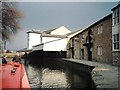
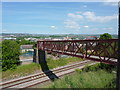
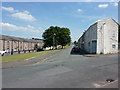
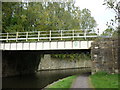
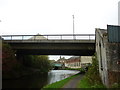
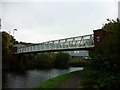
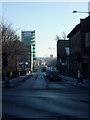
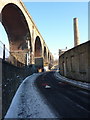
Area Information
Burnley is a built-up area in England covering 17.3 km², home to 13,110 residents. With a population density of 756 people per square kilometre, it reflects a compact, urban character. The area’s median age of 70 suggests a community skewed towards older adults, which shapes its social dynamics and local services. Burnley’s appeal lies in its accessibility, with five rail stations within reach, including Burnley Central and Burnley Manchester Road, linking residents to nearby cities. Retail options are plentiful, featuring stores like Aldi Burnley, Iceland Burnley, and Asda Burnley, ensuring daily needs are met. Digital connectivity is strong, with a broadband score of 98 and mobile coverage of 85, supporting both work and leisure. While the crime risk is medium, standard security measures are sufficient for most residents. Burnley offers a blend of practicality and convenience, ideal for those seeking a well-connected, mature community with essential amenities within easy reach.
- Area Type
- Built Up Area 250
- Area Size
- 17.3 km²
- Population
- 13110
- Population Density
- 756 people/km²
Residents of Burnley benefit from a range of nearby amenities, including five retail outlets such as Aldi Burnley, Iceland Burnley, and Asda Burnley, which cater to daily shopping needs. The rail network, with stations like Burnley Central and Burnley Manchester Road, provides easy access to surrounding areas, supporting both leisure and work-related travel. While the data does not mention parks or leisure facilities, the presence of multiple retail and transport options suggests a practical, service-oriented lifestyle. The compact nature of Burnley means amenities are within walking or short driving distance, fostering a sense of community. For those prioritising convenience, the area’s mix of shops, transport links, and digital connectivity makes it a functional choice for everyday living.
Amenities
Schools
Burnley is served by five schools, including Linkway House School, a special school, and four nursery schools: Rockwood Nursery School, Barden Lane Nursery School, Myrtle Bank Nursery School, and Rosegrove Nursery School. These institutions cater to a range of educational needs, from early years care to specialist provisions for students with specific requirements. The presence of multiple nursery schools indicates a focus on early childhood education, which is crucial for families with young children. While the data does not include Ofsted ratings, the variety of school types suggests a comprehensive approach to education in the area. For parents, this mix of schools provides options depending on a child’s age and learning needs, though further details on academic performance or facilities would require local investigation.
| Rank | School | Type | Entry gender | Ages |
|---|
Explore more schools in this area
Go to Schools tabDemographics
Burnley’s population of 13,110 has a median age of 70, indicating a predominantly older demographic. This age profile influences the area’s social and economic landscape, with services and facilities tailored to this group. Home ownership stands at 62%, suggesting a mix of owner-occupied properties and rental stock. The data does not specify household types or accommodation categories, but the overall population density of 756 people per square kilometre implies a compact, urban living environment. The predominant ethnic group and religious composition are not detailed in the data, but the community’s character is defined by its age structure and the proportion of residents who own their homes. For quality of life, the higher proportion of older residents may affect local amenities and healthcare provision, though this is not quantified in the provided information.