Area Overview for BL1 6PQ
Photos of BL1 6PQ
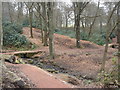
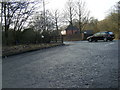
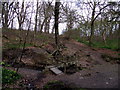
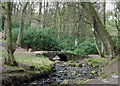
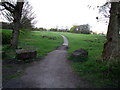
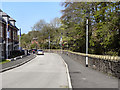
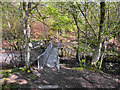
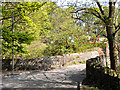
Area Information
BL1 6PQ is a small residential cluster in Greater Manchester, situated approximately 3 miles north of Bolton town centre. The area covers just 1.2 hectares and is home to 1,658 people, resulting in a high population density of 134,328 people per square kilometre. This compact postcode lies within the historical Astley Bridge Ward, once a village and chapelry with roots in the 19th century. Its proximity to the Bolton and Blackburn railway line and nearby railway stations like Hall i’ th’ Wood and Bromley Cross makes it a commuter-friendly location. The area’s character is shaped by its historical ties to Sharples township and its modest scale, offering a quiet, tightly knit community. While it lacks large-scale amenities, its density and transport links provide convenience for those working in Bolton or nearby towns. The low flood risk and absence of environmental constraints like AONB or protected woodlands suggest a practical, unencumbered living environment, though the high crime risk requires careful consideration.
- Area Type
- Postcode
- Area Size
- 1.2 hectares
- Population
- 1658
- Population Density
- 3217 people/km²
BL1 6PQ is predominantly a house-based area, with 55% of properties owned by residents. This suggests a mix of owner-occupied homes and rental properties, though the exact split is not defined. Given the small area size of 1.2 hectares and high population density, the housing stock is likely compact, with limited scope for new developments. The predominance of houses over flats or apartments may appeal to families or those seeking more space. However, the area’s small size means buyers should consider nearby postcode areas for broader options. The high population density could also indicate pressure on land availability, potentially affecting property values or development potential. For buyers, the focus on owner-occupation suggests a stable market, but the lack of detailed data on property types or prices means further local research is necessary to assess individual opportunities.
House Prices in BL1 6PQ
Showing 1 properties
| Address | Type | Beds | Baths | Last Sale Price | Last Sale Date | |
|---|---|---|---|---|---|---|
| Thornleigh House, Sharples Park, Bolton, BL1 6PQ | Detached | - | - | - | - |
Energy Efficiency in BL1 6PQ
Residents of BL1 6PQ have access to a range of local amenities within practical reach. Retail options include Asda Bolton, Lidl Bolton, and Farmfoods Halliwell, providing essential shopping and food services. The area’s proximity to Hall i’ th’ Wood Railway Station and other nearby stations facilitates easy travel to larger retail centres in Bolton or Bury. While the area itself is small, its connections to Bolton’s transport network open up more extensive leisure and cultural opportunities in the region. The historical context of Astley Bridge, with its 19th-century chapels and schools, adds a sense of heritage, though modern amenities are limited to basic services. The compact nature of the area means daily life revolves around nearby shops and transport links, making it suitable for those prioritising convenience over large-scale facilities.
Amenities
Schools
| Rank | School | Type | Entry gender | Ages |
|---|
Explore more schools in this area
Go to Schools tabDemographics
The population of BL1 6PQ has a median age of 47, with the majority of residents aged between 30 and 64. This suggests a community skewed towards middle-aged adults, possibly reflecting long-term residents or families. Home ownership stands at 55%, with houses being the predominant accommodation type. This indicates a mix of owner-occupied properties and rental units, though the exact proportion of renters is not specified. The predominant ethnic group is White, and the data does not provide further breakdowns of diversity. The high population density, combined with the age profile, implies a stable, established community with limited turnover. However, the lack of specific data on deprivation or income levels means it is unclear how this affects quality of life. The age range and home ownership figures suggest a focus on family living, though the absence of younger demographics might impact local schools and amenities.
Household Size
Accommodation Type
Tenure
Ethnic Group
Religion
Household Composition
Age
Household Deprivation
NS-SEC
Explore more demographic insights in this area
Go to Demographics tabPlanning
Planning Constraints
- Flood RiskPremium
- Ramsar Wetland SitesPremium
- Area of Outstanding Natural BeautyPremium
- Protected Nature ReservePremium
- Protected WoodlandPremium