Area Overview for CB5 8UE
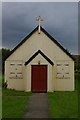
Photos of CB5 8UE



Area Information
Living in CB5 8UE means being part of a tightly knit residential cluster in Cambridge, England. This small area, covering 2,853 square metres, is home to 1,682 people, creating a high population density of 589,542 people per square kilometre. The postcode lies within a historically developed part of the city, shaped by 20th-century housing estates and former railway infrastructure. Daily life here is defined by proximity to key transport routes like Newmarket Road and Wadloes Road, which connect residents to Cambridge’s broader network. The area’s character is rooted in its suburban layout, with housing estates arranged around ring-roads and major roads serving as primary axes. While the population is relatively small, the density suggests a mix of long-term residents and those drawn to Cambridge’s academic and economic opportunities. The presence of nearby rail stations and airports highlights its accessibility, while the low flood risk and absence of protected natural sites indicate a practical, low-constraint environment for living.
- Area Type
- Postcode
- Area Size
- 2853 m²
- Population
- 1682
- Population Density
- 5723 people/km²
The property market in CB5 8UE is characterised by a low home ownership rate of 26%, suggesting that the area functions more as a rental market than an owner-occupied one. The predominant accommodation type is houses, which is notable given the high population density. This implies that properties are likely larger, possibly multi-bedroom homes suited to families or individuals seeking more space. The small size of the area means that the housing stock is limited, and buyers may need to look beyond the immediate postcode for options. The presence of nearby rail stations and major roads like Newmarket Road suggests that the area is well-connected to Cambridge’s broader property market, potentially offering access to more diverse housing types in adjacent zones. For buyers, this could mean competing with renters for a limited number of homes, but the focus on houses may appeal to those prioritising space over density.
House Prices in CB5 8UE
Showing 13 properties
| Address | Type | Beds | Baths | Last Sale Price | Last Sale Date | |
|---|---|---|---|---|---|---|
| 3 Brentwood Close, Cambridge, CB5 8UE | Terraced | 3 | 1 | £405,000 | Aug 2023 | |
| 2 Brentwood Close, Cambridge, CB5 8UE | Terraced | 3 | 2 | £406,000 | Sep 2021 | |
| 5 Brentwood Close, Cambridge, CB5 8UE | house | - | - | £345,000 | Apr 2018 | |
| 7 Brentwood Close, Cambridge, CB5 8UE | house | - | - | £211,250 | Aug 2011 | |
| 21 Brentwood Close, Cambridge, CB5 8UE | undefined | - | - | - | - | |
| 8 Brentwood Close, Cambridge, CB5 8UE | Flat | - | - | - | - | |
| 10 Brentwood Close, Cambridge, CB5 8UE | Flat | - | - | - | - | |
| 6 Brentwood Close, Cambridge, CB5 8UE | house | - | - | - | - | |
| 9 Brentwood Close, Cambridge, CB5 8UE | Terraced | - | - | - | - | |
| 1 Brentwood Close, Cambridge, CB5 8UE | Terraced | - | - | - | - |
Energy Efficiency in CB5 8UE
Life in CB5 8UE is shaped by its proximity to essential amenities and historical infrastructure. Retail options include Co-op Cambridge, Spar, and M&S Teversham BP, providing access to groceries and daily necessities. The area’s transport links, such as Newmarket Road and nearby rail stations, facilitate easy movement to Cambridge’s cultural and commercial hubs. While the data does not mention parks or leisure facilities explicitly, the absence of protected natural sites suggests that green spaces may be limited. However, the presence of Abbey Meadows School, built in the 1950s, indicates a focus on education, which is a key draw for families. The suburban layout and housing estates contribute to a quiet, residential character, with major roads serving as arteries for daily commutes. Overall, the area balances practicality with access to services, though its small size means residents may need to venture further for more diverse leisure options.
Amenities
Schools
| Rank | School | Type | Entry gender | Ages |
|---|
Explore more schools in this area
Go to Schools tabDemographics
The community in CB5 8UE is predominantly middle-aged, with a median age of 47 and the most common age range being adults aged 30–64. This suggests a population skewed towards established professionals and families. Home ownership is low at 26%, indicating that a significant proportion of residents rent their homes, likely due to the area’s history as a housing estate. The accommodation type is primarily houses, which is unusual for a high-density postcode, suggesting a mix of single-family homes and larger properties. The predominant ethnic group is White, reflecting broader demographic trends in Cambridge. The data does not provide specific figures on diversity beyond this, but the age profile and home ownership rate imply a community that is stable but not highly transient. The absence of detailed deprivation data means that quality of life factors like access to services and employment opportunities must be inferred from the availability of nearby amenities and transport links.
Household Size
Accommodation Type
Tenure
Ethnic Group
Religion
Household Composition
Age
Household Deprivation
NS-SEC
Explore more demographic insights in this area
Go to Demographics tabPlanning
Planning Constraints
- Flood RiskPremium
- Ramsar Wetland SitesPremium
- Area of Outstanding Natural BeautyPremium
- Protected Nature ReservePremium
- Protected WoodlandPremium