Area Overview for CB5 8UB
Photos of CB5 8UB

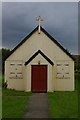


Area Information
CB5 8UB is a small, densely populated postcode area in Cambridge, England, covering just 2.5 hectares and home to 1,682 residents. Its compact size means it is a tightly knit residential cluster, with a population density of 66,147 people per square kilometre. The area’s history is rooted in 20th-century housing developments, notably the Fen Ditton Fields estate, which was expanded between 1918 and 1939. This legacy shapes its character today: suburban housing laid out around ring-roads, with major routes like Newmarket Road and Wadloes Road forming the area’s backbone. While the postcode lacks natural or protected landscapes, its proximity to Cambridge’s rail network and two airports offers strong connectivity. Daily life here is shaped by its role as a commuter hub, with residents relying on nearby stations like Cambridge North and Shelford for travel. The area’s compactness means amenities are within walking or cycling distance, though its small size also limits space for larger public facilities. For buyers, CB5 8UB offers a mix of practicality and historical context, with a focus on proximity to transport and local services.
- Area Type
- Postcode
- Area Size
- 2.5 hectares
- Population
- 1682
- Population Density
- 5723 people/km²
The property market in CB5 8UB is characterised by a low home ownership rate of 26%, suggesting that the area is more rental-focused than owner-occupied. This aligns with its status as a suburban cluster within Cambridge, where housing is primarily composed of houses rather than flats or apartments. The small area size—just 2.5 hectares—means the housing stock is limited, with no indication of significant new developments. For buyers, this presents both challenges and opportunities: the scarcity of properties may drive competition, but the existing stock is likely to be well-established, given the area’s 20th-century origins. The predominance of houses over other accommodation types implies a focus on family-friendly living, though the lack of larger housing options could limit appeal for growing families. Proximity to rail stations and airports may make the area attractive to commuters, but the limited space means buyers must consider the broader Cambridge region for more extensive property options.
House Prices in CB5 8UB
Showing 62 properties
| Address | Type | Beds | Baths | Last Sale Price | Last Sale Date | |
|---|---|---|---|---|---|---|
| 26 Thorpe Way, Cambridge, CB5 8UB | Flat | 2 | 1 | £245,000 | Sep 2025 | |
| 68 Thorpe Way, Cambridge, CB5 8UB | Flat | - | - | £249,000 | Jan 2025 | |
| 90 Thorpe Way, Cambridge, CB5 8UB | Flat | 2 | 1 | £270,000 | Mar 2023 | |
| 42 Thorpe Way, Cambridge, CB5 8UB | house | - | - | £375,000 | Dec 2022 | |
| 38 Thorpe Way, Cambridge, CB5 8UB | house | 1 | 1 | £425,000 | Aug 2022 | |
| 94 Thorpe Way, Cambridge, CB5 8UB | Flat | - | - | £260,000 | Nov 2016 | |
| 40 Thorpe Way, Cambridge, CB5 8UB | house | 3 | 1 | £335,000 | Sep 2016 | |
| 96 Thorpe Way, Cambridge, CB5 8UB | Maisonette | 1 | 1 | £179,000 | Jun 2016 | |
| 8 Thorpe Way, Cambridge, CB5 8UB | Semi-detached | 3 | - | £270,000 | Apr 2014 | |
| 36 Thorpe Way, Cambridge, CB5 8UB | Semi-detached | 3 | 1 | £225,000 | Apr 2013 |
Energy Efficiency in CB5 8UB
Living in CB5 8UB offers access to a range of amenities within practical reach. Retail options include Co-op Cambridge, M&S Teversham BP, and Spar, providing everyday shopping convenience. The area’s proximity to rail stations like Cambridge North and Shelford makes commuting straightforward, while its two airports cater to business and travel needs. For leisure, the nearby Abbey Meadows School—built in the 1950s—serves the community, and the suburban layout around ring-roads suggests access to local parks and open spaces. The area’s historical ties to railway infrastructure, including the former Cambridge to Fordham line, add a layer of local interest. While the postcode itself is small, its integration with Cambridge’s broader network means residents can enjoy the city’s cultural and educational offerings. The mix of retail, transport, and educational facilities supports a practical, community-focused lifestyle, though the area’s density may mean public spaces are limited compared to larger suburbs.
Amenities
Schools
| Rank | School | Type | Entry gender | Ages |
|---|
Explore more schools in this area
Go to Schools tabDemographics
The population of CB5 8UB is predominantly adults aged 30–64, with a median age of 47. This suggests a community of established professionals and families, rather than a younger or retired demographic. Home ownership is relatively low at 26%, indicating that a significant portion of residents rent their homes. The area is composed mainly of houses, not flats or apartments, which aligns with its suburban layout. The predominant ethnic group is White, though the data does not specify further diversity metrics. The high population density—over 66,000 people per square kilometre—means the area is intensely populated, which can influence local infrastructure demands. For residents, this density may translate to a bustling, community-oriented environment, though it also underscores the need for efficient public services and transport links. The age profile suggests a balance between family households and individuals, with limited data on younger or older demographics.
Household Size
Accommodation Type
Tenure
Ethnic Group
Religion
Household Composition
Age
Household Deprivation
NS-SEC
Explore more demographic insights in this area
Go to Demographics tabPlanning
Planning Constraints
- Flood RiskPremium
- Ramsar Wetland SitesPremium
- Area of Outstanding Natural BeautyPremium
- Protected Nature ReservePremium
- Protected WoodlandPremium