Area Overview for CB3 9DZ
Photos of CB3 9DZ
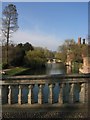
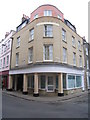
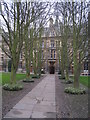
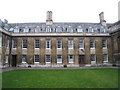
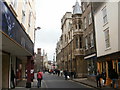
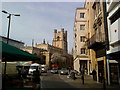
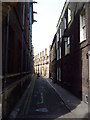
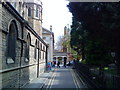
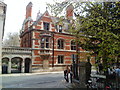
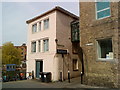
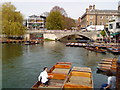
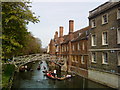
Area Information
Living in CB3 9DZ means inhabiting a small, densely populated residential cluster in Cambridge, England. The area spans 5,298 m² and is home to 5,735 people, with a population density of 1,510 per km². This compact postcode sits within the Newnham ward, historically a patchwork of parishes and agricultural land. Today, it is a hub for young adults, with a median age of 22 and 57% of residents owning their homes. The area’s charm lies in its blend of suburban tranquillity and proximity to Cambridge’s cultural and academic heart. Nearby, Lammas Land and Grantchester Meadows offer green space, while historical sites like St Mark’s Church and the former home of Bertrand Russell add depth to daily life. The mix of independent schools, rail links, and retail options ensures convenience for families and professionals alike, making CB3 9DZ a practical yet characterful choice.
- Area Type
- Postcode
- Area Size
- 5298 m²
- Population
- 5735
- Population Density
- 1510 people/km²
The property market in CB3 9DZ is characterised by a 57% home ownership rate, with houses forming the majority of the housing stock. This suggests a market skewed towards owner-occupation rather than rental, likely due to the area’s compact size and appeal to settled residents. The limited area size—just 5,298 m²—means the housing stock is finite, potentially creating competition among buyers. Given the prevalence of houses, properties here are likely to be family homes, offering space and privacy. However, the small footprint of the postcode means buyers must consider nearby areas for additional options. The market’s tightness may also influence prices, reflecting demand from young professionals and families seeking proximity to Cambridge’s amenities.
House Prices in CB3 9DZ
Showing 1 properties
| Address | Type | Beds | Baths | Last Sale Price | Last Sale Date | |
|---|---|---|---|---|---|---|
| The Faculty Of Law, Sidgwick Site, 10 West Road, Cambridge, CB3 9DZ | commercial | - | - | - | - |
Energy Efficiency in CB3 9DZ
Daily life in CB3 9DZ is enriched by nearby amenities such as Co-op Grantchester, Tesco Petty, and M&S Cambridge, providing retail and dining options. The area’s recreational spaces include Lammas Land and Grantchester Meadows, offering open greenery for relaxation and activity. St Mark’s Church on Barton Road adds a historical and community-focused element. Rail stations and airports ensure connectivity, while the West Cambridge Conservation Area preserves the area’s architectural heritage. The mix of practical amenities, green spaces, and cultural sites creates a balanced lifestyle, blending convenience with a touch of Cambridge’s academic and historical character.
Amenities
Schools
Residents of CB3 9DZ have access to two independent schools: King’s College School and St John’s College School. Both institutions are likely to offer high-quality education, though specific Ofsted ratings are not provided. The presence of independent schools suggests a community prioritising private education, catering to families seeking structured academic and extracurricular environments. These schools may also contribute to the area’s cultural vibrancy, hosting events and fostering local networks. For families, the availability of independent options provides flexibility, though parents should research each school’s curriculum and admissions policies to align with their children’s needs.
| Rank | School | Type | Entry gender | Ages |
|---|
Explore more schools in this area
Go to Schools tabDemographics
CB3 9DZ has a young population, with 57% of residents aged 15–29, reflecting a community dominated by students and early-career professionals. The median age of 22 underscores this dynamic demographic, shaped by Cambridge’s academic influence. Home ownership stands at 57%, with houses being the primary accommodation type, suggesting a stable, family-oriented environment. The predominant ethnic group is White, aligning with broader trends in the region. While no data on deprivation is provided, the high proportion of young adults and owner-occupied homes indicates a population prioritising stability and long-term investment. The area’s density and age profile suggest a lively, transient community, with opportunities for social engagement and professional growth.
Household Size
Accommodation Type
Tenure
Ethnic Group
Religion
Household Composition
Age
Household Deprivation
NS-SEC
Explore more demographic insights in this area
Go to Demographics tabPlanning
Planning Constraints
- Flood RiskPremium
- Ramsar Wetland SitesPremium
- Area of Outstanding Natural BeautyPremium
- Protected Nature ReservePremium
- Protected WoodlandPremium