Area Overview for Luton
Photos of Luton
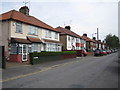
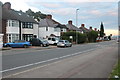
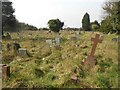
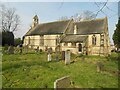
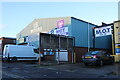
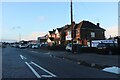

Area Information
Living in Luton means residing within a district borough unitary area that covers 41.3 square kilometres of England. With a total population of 139,879 residents, this local authority district packs a population density of 3,385 people per square kilometre. The character of daily life here is defined by this high density, creating an environment where services and facilities are naturally close at hand for those who call Luton home. You navigate a compact community where proximity to neighbours is a constant feature of your week. This blend of urban convenience and administrative status as a unitary authority shapes the rhythm of life for families and individuals alike. The area functions as a cohesive whole rather than a collection of disparate zones. When you consider living in Luton, you are choosing a location where every part of the district supports the density of its inhabitants. The sheer number of residents ensures that there is always activity and life happening within the 41.3 square kilometre footprint. This is a place built for a large population, offering a sense of community that comes with high residential concentrations. Your days will be shaped by the energy of ever-present neighbours and the practicalities of shared public spaces.
- Area Type
- Built Up Area 250
- Area Size
- 41.3 km²
- Population
- 139879
- Population Density
- 3385 people/km²
Amenities
Schools
| Rank | A + A* % | School | Type | Entry gender | Ages |
|---|---|---|---|---|---|
| 1 | N/A | Willow Nursery School | nursery | N/A | N/A |
| 2 | N/A | Hart Hill Nursery School | nursery | N/A | N/A |
| 3 | N/A | Rothesay Nursery School | nursery | N/A | N/A |
| 4 | N/A | Grasmere Nursery School | nursery | N/A | N/A |
| 5 | N/A | Chapel Street Nursery School | nursery | N/A | N/A |
Explore more schools in this area
Go to Schools tabDemographics
The community in Luton displays a striking demographic profile dominated by older residents. The median age stands at 70 years, indicating a population heavily weighted towards the elderly. While specific ranges for the most common age groups lack detailed breakdown in the records, the high median suggests a retirement-oriented community. This age structure influences how households organise their lives and utilise local amenities. Regarding home ownership, 57% of residents own their homes outright or with a mortgage. This places Luton firmly in the owner-occupied category for the majority of its population. You will find that most accommodation is owned rather than rented, which often correlates with lower tenant turnover and established local roots. The data does not provide a specific breakdown for accommodation types beyond the total figure, but the high ownership rate typically implies a stock suited for long-term living. Ethnic diversity and religious composition are noted as total categories in the available records, suggesting a varied tapestry of backgrounds within this 139,879-strong population. When exploring homes in Luton, you should expect a neighbourhood where stability and long-term residency are common traits among the older demographic.
Household Size
Accommodation Type
Tenure
Ethnic Group
Religion
Household Composition
Age
Household Deprivation
NS-SEC
Explore more demographic insights in this area
Go to Demographics tabPlanning
Planning Constraints
- Crime RiskLocked