Area Overview for Bedfordshire
Photos of Bedfordshire
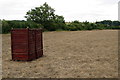
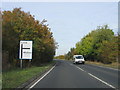
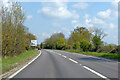
Area Information
Bedfordshire occupies a spacious ceremonial county within England, covering an expansive 1236.0 km². This significant size influences how residents experience daily life, offering ample room for development while maintaining a sense of space. The region stands apart from denser urban environments due to its scale and specific demographic character. Living in Bedfordshire means navigating a landscape shaped by a notably older population structure. The area does not fit the demographic profile of a bustling young capital; instead, it reflects the settled rhythms of a county where residents tend to plan for longer stays. Your everyday journey through this region will reveal a community where age is a defining factor of social dynamics and local need. The sheer volume of land supports diverse housing options, yet the type of person buying homes in Bedfordshire is shifting the tone of the local market. You will find that the county is not designed for short-term urban commuting or rapid population turnover. The environment suits those seeking stability over the frenetic pace of major metropolitan hubs. Every square kilometre tells a story of a place where life settles down. When you evaluate this area for a potential move, consider how the vast size interacts with the specific age profile of the inhabitants. This combination creates a distinct lifestyle that differs from other parts of the UK.
- Area Type
- Ceremonial Counties Region
- Area Size
- 1236.0 km²
- Population
- Not available
- Population Density
- Not available
Demographics
The community in Bedfordshire presents one of the oldest populations in the country, with a median age of 70 years. This statistic is far higher than the national average and defines the social fabric of the region. You will encounter a neighbourhood where retirement and later life are the dominant phases of existence. Most common age data reflects a total population spread that peaks significantly in the elderly bracket compared to younger working demographics. This age profile influences local service demand and community events. Home ownership in Bedfordshire stands at 65% of households. This rate indicates a region where long-term residency is the norm, with two-thirds of residents owning their property outright or with a mortgage. Such high ownership levels suggest stability within the community. Household composition and accommodation type data indicate that families and single-person retiree households make up the bulk of the residential landscape. The lack of significant data on specific ethnic groups or religious breakdowns means the area is not defined by recent migration trends typical of major cities. Instead, the population reflects a more traditional, settled composition. Deprivation levels are not explicitly detailed in the provided figures, so you cannot assume high or low levels of economic struggle without further context. The demographic reality is clear: this is a county built for stationary, older residents.