Area Overview for NN3 3QG
Photos of NN3 3QG
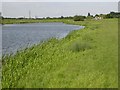
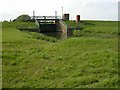
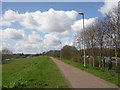
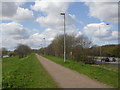
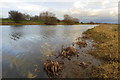
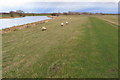
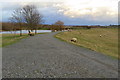
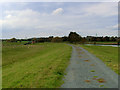
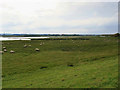
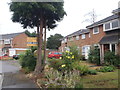
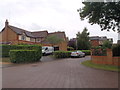
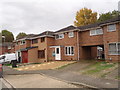
Area Information
NN3 3QG is a small, tightly packed residential area in England, spanning just 1.2 hectares and home to 1,351 residents. Its compact size means it’s a quiet, close-knit community, with a population density of 109,715 people per square kilometre. The area’s demographic profile is dominated by adults aged 30–64, with a median age of 47, suggesting a mature, stable population. Most residents own their homes, with 88% of properties in private ownership. This contrasts with areas where rental markets dominate, making NN3 3QG a place where long-term residency is common. The area’s proximity to Northampton’s transport hubs, including the railway station and multiple bus interchanges, ensures easy access to the city’s amenities. However, the postcode’s flood risk score of 10.4—a medium risk—means buyers should consider drainage and water management. Despite this, the area’s broadband score of 100, indicating excellent connectivity, and its low crime risk (85/100) suggest a practical, modern living environment. For those seeking a compact, well-connected community with strong digital infrastructure, NN3 3QG offers a blend of convenience and stability.
- Area Type
- Postcode
- Area Size
- 1.2 hectares
- Population
- 1351
- Population Density
- 2824 people/km²
The property market in NN3 3QG is characterised by high home ownership—88% of residents own their homes—indicating a strong preference for private residence over rental living. The area’s accommodation is exclusively houses, not flats, which is unusual for a small postcode but suggests a focus on family-friendly, single-unit properties. This makes the area less suited to young professionals or students seeking rental options, and more attractive to those prioritising stability and space. The limited size of the area—just 1.2 hectares—means the housing stock is small, with properties likely to be closely spaced. For buyers, this implies a competitive market where demand may outstrip supply. The proximity to Northampton’s transport links, including the railway station and multiple bus routes, adds value, as does the excellent broadband connectivity. However, the medium flood risk score of 10.4 means potential buyers should investigate drainage systems and flood defences. Overall, NN3 3QG is a niche market for those seeking a compact, owner-occupied home in a well-connected, mature community.
House Prices in NN3 3QG
Showing 26 properties
| Address | Type | Beds | Baths | Last Sale Price | Last Sale Date | |
|---|---|---|---|---|---|---|
| 18 Campanula Close, Northampton, NN3 3QG | Detached | 3 | 2 | £335,000 | Jul 2025 | |
| 17 Campanula Close, Northampton, NN3 3QG | Semi-detached | 3 | 1 | £283,000 | Aug 2024 | |
| 12 Campanula Close, Northampton, NN3 3QG | Retail | 3 | 2 | £315,000 | Dec 2022 | |
| 20 Campanula Close, Northampton, NN3 3QG | Bungalow | 3 | 1 | £300,000 | Aug 2021 | |
| 4 Campanula Close, Northampton, NN3 3QG | Detached | 5 | 3 | £450,000 | Jun 2021 | |
| 32 Campanula Close, Northampton, NN3 3QG | Detached | 3 | 2 | £325,000 | Apr 2021 | |
| 15 Campanula Close, Northampton, NN3 3QG | Semi-detached | 3 | 3 | £220,000 | Nov 2019 | |
| 3 Campanula Close, Northampton, NN3 3QG | Detached | 3 | 3 | £430,000 | Nov 2018 | |
| 26 Campanula Close, Northampton, NN3 3QG | Detached | 4 | 2 | £405,000 | Oct 2017 | |
| 2 Campanula Close, Northampton, NN3 3QG | Detached | 3 | - | £267,000 | Jul 2016 |
Energy Efficiency in NN3 3QG
Living in NN3 3QG offers access to a range of essential amenities within practical reach. The area’s retail options include major supermarkets such as Tesco Northampton, Co-op Barry, and Aldi Headlands, ensuring residents can shop for groceries and daily essentials without long commutes. Public transport is well-served by the Northampton Bus Interchange and University Bus Interchange, connecting residents to the city’s cultural, commercial, and educational hubs. The Northampton Railway Station provides additional links to regional destinations, making it easier to travel for work or leisure. While the area itself is small and residential, its proximity to Northampton’s amenities means residents can enjoy the city’s dining, parks, and leisure facilities. The lack of dedicated parks or green spaces within the postcode is compensated by the ease of reaching larger recreational areas nearby. For those valuing convenience and access to services, NN3 3QG’s lifestyle balances quiet living with the vibrancy of urban proximity.
Amenities
Schools
| Rank | School | Type | Entry gender | Ages |
|---|
Explore more schools in this area
Go to Schools tabDemographics
The population of NN3 3QG is predominantly adults aged 30–64, with a median age of 47. This suggests a community of established professionals and families, rather than a younger or elderly demographic. Home ownership is exceptionally high at 88%, indicating a lack of rental properties and a focus on long-term residency. The area’s accommodation is primarily houses, not flats, which aligns with the typical housing stock in small residential clusters. The predominant ethnic group is White, though the data does not specify further diversity metrics. The population density of 109,715 people per square kilometre is extremely high for such a small area, implying closely spaced properties and limited open space. This density may contribute to a sense of proximity and community but could also pose challenges for privacy or green space. The absence of specific data on deprivation or income levels means the area’s quality of life must be inferred from its infrastructure: excellent broadband, low crime, and proximity to amenities. For buyers, this profile suggests a mature, stable neighbourhood with a focus on home ownership and practical living.
Household Size
Accommodation Type
Tenure
Ethnic Group
Religion
Household Composition
Age
Household Deprivation
NS-SEC
Explore more demographic insights in this area
Go to Demographics tabPlanning
Planning Constraints
- Flood RiskPremium
- Ramsar Wetland SitesPremium
- Area of Outstanding Natural BeautyPremium
- Protected Nature ReservePremium
- Protected WoodlandPremium