Area Overview for LN3 4DT
Photos of LN3 4DT
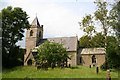
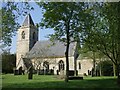
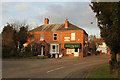
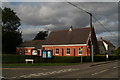
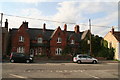
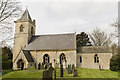
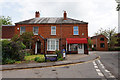
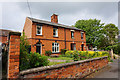
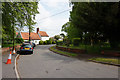
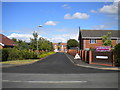
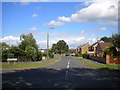
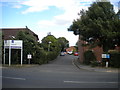
Area Information
Living in LN3 4DT offers a quiet, compact residential experience in a small cluster of homes. With a population of 1240 spread over 1.9 hectares, this area is characterised by a close-knit community feel. The median age of 47 suggests a mature demographic, with most residents falling between 30 and 64 years. This is a place where homeownership is dominant — 92% of properties are owner-occupied — and the housing stock consists primarily of houses rather than flats. Daily life here is shaped by proximity to Lincoln Central Railway Station, which connects residents to the city, and RAF Scampton, offering easy access to regional travel. The area’s low flood risk and absence of protected natural sites mean there are no significant planning constraints. For those seeking a low-maintenance, safe environment with practical connectivity, LN3 4DT provides a straightforward, stable base. Its small size means it is ideal for those prioritising convenience over sprawling suburban sprawl, though buyers may need to look beyond the immediate area for broader amenities.
- Area Type
- Postcode
- Area Size
- 1.9 hectares
- Population
- 1240
- Population Density
- 253 people/km²
The property market in LN3 4DT is dominated by owner-occupied homes, with 92% of properties in private hands. This high rate of homeownership indicates a stable market with little rental activity, making it less attractive to investors seeking short-term returns. The accommodation type is exclusively houses, which are typically larger and more private than flats, appealing to families or individuals prioritising space. Given the area’s small size — just 1.9 hectares — the housing stock is limited, meaning buyers may need to consider nearby areas for more options. The lack of planning constraints, such as protected nature reserves or AONB designations, suggests that development is unlikely to disrupt the existing character of the neighbourhood. For buyers, this means a straightforward purchase process, though the small size of the area may limit scope for future expansion. The focus on houses also means properties are likely to be in good condition, reflecting the mature age profile of residents.
House Prices in LN3 4DT
No properties found in this postcode.
Energy Efficiency in LN3 4DT
Residents of LN3 4DT have access to a modest range of amenities within practical reach. The area includes five retail outlets, with the Lincolnshire Co-operative Co appearing three times, suggesting it is a central shopping spot. This provides basic retail and service needs without requiring long journeys. The Lincoln Central Railway Station is a key hub, offering transport links to the city and beyond, while RAF Scampton is nearby, though its civilian accessibility is limited. The absence of parks, leisure facilities, or dining venues in the data means the area is more functional than recreational. However, the proximity to Lincoln implies that residents can easily access urban amenities for entertainment, dining, and cultural activities. The lifestyle here is pragmatic, focusing on convenience and connectivity rather than leisure. For those prioritising ease of access to transport and essential services, LN3 4DT offers a straightforward, no-frills living experience.
Amenities
Schools
| Rank | School | Type | Entry gender | Ages |
|---|
Explore more schools in this area
Go to Schools tabDemographics
The community in LN3 4DT is predominantly composed of adults aged 30 to 64, with a median age of 47. This suggests a mature, established population, likely with long-term ties to the area. Homeownership is exceptionally high at 92%, indicating a stable, settled demographic with little turnover. The accommodation type is exclusively houses, reflecting a preference for single-family living over flats or apartments. The predominant ethnic group is White, though no specific data on diversity or minority representation is provided. The population density of 253 people per square kilometre is relatively low, contributing to a less crowded, more private living environment. This density, combined with the high homeownership rate, suggests a community where neighbours are likely to know each other, fostering a sense of local cohesion. The absence of specific data on deprivation or income levels means the area’s quality of life can only be inferred from its safety and infrastructure metrics.
Household Size
Accommodation Type
Tenure
Ethnic Group
Religion
Household Composition
Age
Household Deprivation
NS-SEC
Explore more demographic insights in this area
Go to Demographics tabPlanning
Planning Constraints
- Flood RiskPremium
- Ramsar Wetland SitesPremium
- Area of Outstanding Natural BeautyPremium
- Protected Nature ReservePremium
- Protected WoodlandPremium
- Crime RiskPremium