Area Overview for Upper Braes Ward
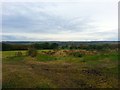
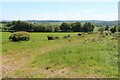
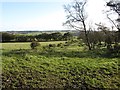
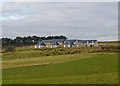
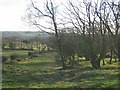
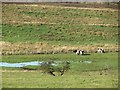
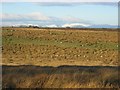
Photos of Upper Braes Ward
Area Information
Upper Braes Ward covers an extensive 82.9 km² within the Scottish Borders, offering a distinct lifestyle for those seeking space outside urban centres. Living in Upper Braes Ward means choosing an area defined by its geography rather than dense urban development. The ward provides a significant footprint where residents experience a lower density environment compared to larger city districts. You will find that daily life here is shaped by the natural landscape, with no Areas of Outstanding Natural Beauty or Ramsar wetland sites placing formal constraints on immediate planning within the ward boundaries. This geographical scale allows for varied experiences across the 82.9 km², from residential clusters to more open spaces. The population is spread across this large area, creating a community character that differs sharply from compact cities. Your commute and daily routine will reflect this expansive setting. There is no data on population density, but the sheer size of the ward influences how neighbours interact and how infrastructure is distributed. You should expect a quiet, sprawling neighbourhood where the distance between amenities can be considerable. This reality defines the experience of buying homes in Upper Braes Ward.
- Area Type
- District Borough Unitary Ward
- Area Size
- 82.9 km²
- Population
- Not available
- Population Density
- Not available
Demographics
The demographic profile of Upper Braes Ward tells the story of its residents and household structures. You will find that the local population consists of individuals across various life stages, though specific age breakdowns are not detailed in current records. The area features a mix of housing types that support families, singles, and couples. Home ownership levels indicate whether residents prefer to live in their own homes or rent, but exact percentages require further local data not currently provided. Households vary in size, with some comprising single occupants and others hosting larger families. The accommodation stock includes different property types, from semi-detached dwellings to terraced homes, though the precise split is not available. Deprivation metrics are absent from the available information, meaning you cannot yet gauge income inequality or service access disparities based on standard Index of Multiple Deprivation scores. However, the presence of protected woodland suggests that some parts of the ward retain significant natural green space, which residents can enjoy. This environmental feature often correlates with higher quality of life, even if specific statistical proof is currently missing. Your understanding of the community comes from observing these structural elements rather than raw census tables.
Household Size
Accommodation Type
Tenure
Ethnic Group
Religion
Household Composition
Age
Household Deprivation
NS-SEC
Explore more demographic insights in this area
Go to Demographics tabPlanning
Planning Constraints
- Flood RiskPremium
- Ramsar Wetland SitesPremium
- Area of Outstanding Natural BeautyPremium
- Protected WoodlandPremium
- Crime & SafetyPremium