Area Overview for Callander
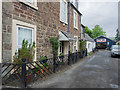
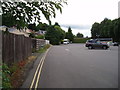
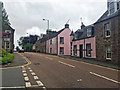
Photos of Callander

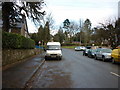
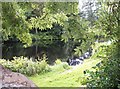


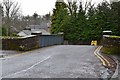

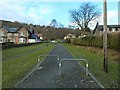

Area Information
Callander stands as a distinct built-up area within the Scottish landscape, covering a compact geographical footprint of 1.4 square kilometres. Living in Callander means inhabiting a relatively small town environment where proximity is inherent to daily life. The town's size dictates a close-knit setting where residential zones merge seamlessly with local commerce and services. This compactness defines the rhythm of life for households residing here, offering a sense of scale that fosters familiarity among neighbours. The area serves as a focal point for those seeking a Scottish town experience, yet one defined by specific, measurable boundaries rather than expansive sprawl. Residents benefit from a layout that concentrates essential needs within a walkable or short drive distance. The character of Callander is shaped by its status as a complete community infrastructure rather than a rushed development. It represents a settled location where the built environment, encompassing homes and public spaces, occupies a limited but significant landmass. Those considering homes in Callander enter a market characterised by this tight-knit urban form, where the physical constraints of the 1.4 km² area influence everything from property availability to local traffic flows. The town operates as a functional entity, providing its inhabitants with the core necessities of modern living without the anonymity of larger cities.
- Area Type
- Built Up Area 250
- Area Size
- 1.4 km²
- Population
- Not available
- Population Density
- Not available
Lifestyle in Callander revolves around practical convenience and a limited but accessible range of amenities. Residents rely on two main retail outlets within practical reach: the Co-op Callander and the Tesco Callander. These two supermarkets form the core of daily shopping experiences for those living in the area, providing access to groceries, household essentials, and basics. The presence of these specific stores means residents can visit a large supermarket and a convenience store without needing to travel far. Beyond retail, the area offers a small selection of services fitted for a community of this size. Dining options and leisure facilities exist but are constrained by the 1.4 km² footprint, meaning entertainment is focused on local events or short trips to nearby towns. Parks and green spaces are integral to daily life, though their specific quantity is not detailed in the current data. Living in Callander requires an acceptance that amenities are functional rather than extensive. The Co-op and Tesco anchors support a self-contained life for most daily needs. Families often supplement local shopping with visits to larger hubs outside the town for specialist goods. The character of life here is defined by the proximity to these two retail giants, which serve the entire community effectively within the small town boundary.
Amenities
Schools
| Rank | School | Type | Entry gender | Ages |
|---|
Explore more schools in this area
Go to Schools tabDemographics
The community of Callander exhibits specific demographic patterns that shape the social fabric of this Scottish town. While exact population figures are not detailed in the current assessment, the town functions as a cohesive unit within the region. The age profile of residents reflects the typical composition of a Scottish built-up area, though specific age distribution data is absent from the provided statistics. Household types within Callander likely vary, though the breakdown remains unquantified in the available information. Home ownership levels are not explicitly stated, so the balance between owner-occupiers and private renters cannot be confirmed against a specific percentage. Accommodation types in the area follow the standard model for towns of this scale, but precise data on housing stock composition is unavailable for this profile. Regarding deprivation, the area is assessed as passing the safety and crime risk criteria, which indicates a lower risk profile compared to areas failing these indicators. This passing status suggests that residents generally experience a stable environment where concerns about property crime or antisocial behaviour are managed effectively. The quality of life for families and individuals benefits from this positive assessment, as a low crime risk environment supports community engagement and outdoor activities without fear. The demographic reality of Callander is one of stability, where the absence of high-risk indicators allows the focus to remain on day-to-day living rather than security concerns.
Household Size
Accommodation Type
Tenure
Ethnic Group
Religion
Household Composition
Age
Household Deprivation
NS-SEC
Explore more demographic insights in this area
Go to Demographics tabPlanning
Planning Constraints
- Crime RiskPremium