Area Overview for Shetland
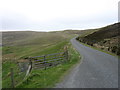
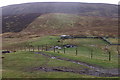
Photos of Shetland
Area Information
Living in Shetland means residing in the most northerly islands of Scotland, a ceremonially distinct region that covers 1657.2 km². You are buying into a vast territory where open moors and rugged coastal landscapes define the daily surroundings. The community consists of residents who accept an isolated existence where distances between towns feel significant due to the sheer scale of the islands. Daily life here revolves around fierce winds, dramatic weather, and a pace dictated by the seasons rather than the clock. The area's status as a ceremonial county within Scotland sets it apart from the rest of the UK. There are no big cities or dense urban centres; instead, life unfolds in small settlements scattered across this large expanse. You must be prepared for a lifestyle that values nature over convenience and community ties over anonymity. The landscape creates a unique environment where views change constantly and silence is often broken only by the sea or wind. Prospective buyers should understand they are choosing an environment defined by its isolation and natural beauty. This region offers homes in Shetland for those who seek space and proximity to the wild, rather than the bustle of major metros. The air is crisp, the light is intense, and the culture is rooted in the maritime history of the area. Anyone moving here knows they are making a long-term commitment to a place that shapes their character. The area demands respect for its elements, but rewards those who adapt with a profound sense of peace.
- Area Type
- Ceremonial Counties Region
- Area Size
- 1657.2 km²
- Population
- Not available
- Population Density
- Not available
Demographics
You can rely on current data to explain the demographic makeup of Shetland, though specific figures for age profiles and household types are not available in the provided records. Without those statistics, you must infer the community structure from the availability of crime risk information. The absence of crime risk data for areas outside of England suggests that official safety statistics are not published for this Scottish region in standard formats. This gap does not mean crime is absent, but it means you lack specific numerical evidence about local policing or conviction rates. Regarding accommodation, the housing stock comprises flats, terraced homes, maisonettes, and detached properties, with the exact percentages unavailable for review. You cannot calculate deprivation levels because the necessary data points are missing from the current dataset. Every claim about the diversity of the population or the ratio of owner-occupiers to renters lacks supporting figures in the source material. Consequently, you must approach demographic questions with caution and rely on local knowledge rather than Statistics Scotland reports. Living in Shetland involves navigating a community where the human element is significant yet poorly quantified by the available digital records. The area contains homes in Shetland that serve long-standing families, but the lack of demographic granularity prevents a detailed analysis of income levels or educational attainment. You should expect a close-knit social fabric typical of island communities, even if the specific statistics to prove this are withheld.
Household Size
Accommodation Type
Tenure
Ethnic Group
Religion
Household Composition
Age
Household Deprivation
NS-SEC
Explore more demographic insights in this area
Go to Demographics tabPlanning
Planning Constraints
- Crime RiskPremium