Area Overview for Dingwall and Seaforth Ward
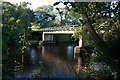
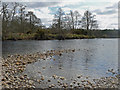
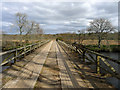
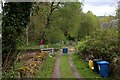
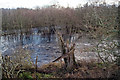
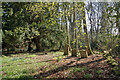
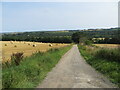
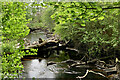
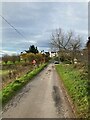
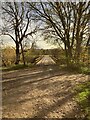
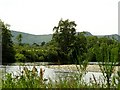
Photos of Dingwall and Seaforth Ward
Area Information
Living in Dingwall and Seaforth Ward offers a specific type of life defined by its significant natural landscape. This ward covers an expansive 119.9 square kilometres, providing a notable amount of space for residents. The area is situated within Scotland and represents a substantial district borough unitary ward. You can expect a region where open spaces dominate the daily environment. The setting is characterised by a mix of rural pockets and established communities spread across this large landmass. Daily life here involves navigating a wide geographic footprint. The sheer size of the ward means distances between amenities can be considerable. However, the benefit is a sense of room and access to open countryside. The ward does not contain any designated Areas of Outstanding Natural Beauty, which removes one planning constraint but retains other environmental protections. You will find protected woodland covering 11.83 points on the risk scale, alongside areas containing protected nature reserves. One specific planning constraint to note is the presence of Ramsar wetland sites within the boundaries. These designations indicate a region with significant ecological value. For those considering homes in Dingwall and Seaforth Ward, the location provides a distinct backdrop. The area is not restricted by AONB status, though other green spaces receive legal protection. You are looking at a territory defined by its physical dimensions and environmental features rather than dense urban planning. The 119.9 km² area size ensures that development is spread out. This creates a living environment that prioritises space and openness over high-density living.
- Area Type
- District Borough Unitary Ward
- Area Size
- 119.9 km²
- Population
- Not available
- Population Density
- Not available
Demographics
The community structure within Dingwall and Seaforth Ward is shaped by clear demographic realities. You will find a population supported by a housing stock made up of apartments and houses. The ward operates as a district borough unitary ward, indicating a specific level of administrative organisation. Over half of the households consist of only one person, which defines the social fabric. This statistic represents a significant portion of all households in the area. Home ownership stands at 72.2%, placing Dingwall and Seaforth Ward firmly in the territory of an owner-occupied market. The remaining 27.8% of households are in rented accommodations. This split suggests stability for most residents, as the majority have purchased their homes. Accommodation types are diverse, with apartments making up a portion of the stock alongside traditional houses. The presence of flats indicates some density within specific settlements, yet the overall landscape remains consistent with a region of this scale. Deprivation data indicates that 24.9% of the area falls into the most deprived categories. This figure highlights a segment of the population facing socioeconomic challenges. For you as a potential buyer, this context explains variations in property values and local services. The remaining 75.1% of households live in less deprived areas, which form the bulk of the community. The demographic picture is one where single-person households dominate, coupled with a strong rate of home ownership. These numbers reflect a settled community with defined economic patterns. Each household type and deprivation level contributes to the current state of Dingwall and Seaforth Ward.
Household Size
Accommodation Type
Tenure
Ethnic Group
Religion
Household Composition
Age
Household Deprivation
NS-SEC
Explore more demographic insights in this area
Go to Demographics tabPlanning
Planning Constraints
- Flood RiskPremium
- Ramsar Wetland SitesPremium
- Area of Outstanding Natural BeautyPremium
- Protected Nature ReservePremium
- Protected WoodlandPremium
- Crime RiskPremium