Area Overview for PA5 8EB
Photos of PA5 8EB
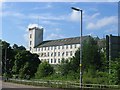
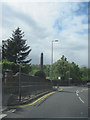
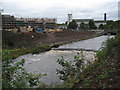
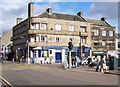
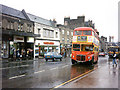
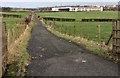
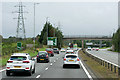
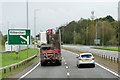
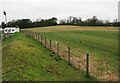

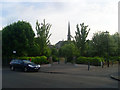
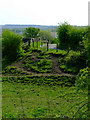
Area Information
Living in PA5 8EB offers a specific residential experience within the wider Johnstone localities. This postcode covers a small cluster of homes rather than a broad district, creating an intimate setting for those seeking a defined home environment. Residents here enjoy proximity to significant infrastructure without being overwhelmed by large-scale urban sprawl. The area sits near key transport hubs, including Johnstone Railway Station and Milliken Park Railway Station, which facilitates daily commutes to Glasgow or other regional centres. You are also within practical reach of Glasgow International Airport, making connectivity for business or leisure travel straightforward. For those who prefer waterway access, Clydebank Ferry Landing provides a accessible point for ferry connections further along the Bristol Channel route. Daily errands benefit from the concentration of major grocers like Iceland Johnstone, Aldi Patons Mill RP, and Lidl Johnstone just moments away. This location balances suburban convenience with the quiet of a smaller residential zone. The immediate surroundings avoid major planning constraints, meaning no protected nature reserves or Areas of Outstanding Natural Beauty restrict development or viewlines in a way that impacts typical suburban living. Safety from flooding is a known factor with low risk coverage, removing a significant concern for prospective buyers. While the area is small, its integration into the broader townscape of Johnstone limits isolation. You gain access to established services while residing in a neighbourhood that feels manageable. The layout supports easy walking distances to essential shops and train stations, aligning with modern preferences for reduced car dependency where feasible. It is a functional living space suited to families or professionals who value proximity to transport and retail without the density of a city centre.
- Area Type
- Postcode
- Area Size
- Not available
- Population
- Not available
- Population Density
- Not available
Buying a home in PA5 8EB involves entering a small residential market characterised by a limited number of listings. The area functions as a specific postcode cluster, meaning inventory is naturally lower than in larger towns. You will find that the dwelling stock consists of permanent residences suitable for long-term living, reflecting the residential classification of the zone. There is no indication of a high volume of student rentals or temporary accommodations typical of university towns, suggesting stability for owner-occupiers. Home ownership in this specific cluster is not quantified by the available data, so you cannot determine the exact ratio of owners to private renters. However, the nature of the postcode as a small residential area typically aligns with individual family homes rather than large multi-tenanted blocks. When you search for properties, you are looking at a selective range of houses or bungalows rather than a broad spectrum of apartment complexes. This scarcity can create a competitive environment when a suitable home comes to market, as there are fewer options to compare. The housing stock does not include protected areas or special conservation zones that often drive up prices, so values reflect standard suburban rates. For those interested in the broader market context, the surrounding Johnstone area offers a larger pool of potential properties if PA5 8EB is too exclusive. Nevertheless, this specific postcode provides a low-key alternative for buyers who prioritise peace over proximity to city-centre amenities. The homes here serve practical needs: they offer a base close to rail links and shops but away from the highest density points of urban activity. This balance often appeals to professionals or retirees who want the quiet of a small cluster without being detached from essential services.
House Prices in PA5 8EB
No properties found in this postcode.
Energy Efficiency in PA5 8EB
Daily life in PA5 8EB centres on the immediate convenience of a well-stocked local retail environment. You can navigate errands within a short drive or walk, relying on Iceland Johnstone, Aldi Patons Mill RP, and Lidl Johnstone for groceries and household needs. These major supermarkets provide a one-stop solution for food shopping, reducing the need to travel to larger regional centres for basic provisions. For leisure or longer journeys, the area is strategically positioned near Johnstone Railway Station, Milliken Park Railway Station, and Howwood Railway Station. You can easily board a train to explore Glasgow or adjacent towns, integrating local living with regional travel. Transport connectivity extends to major aviation hubs as well. Glasgow International Airport is within reach, offering flight access that would be prohibitively difficult if you lived further inland. For residents who prefer water travel, Clydebank Ferry Landing is available nearby, providing a unique transport option for ferry passengers. This mix of rail, air, and water access creates a flexible lifestyle where you can choose the mode of travel that suits your day. Public services and local amenities form a cohesive network around PA5 8EB. The combination of three major supermarkets and multiple railway stations ensures that convenience never relies on a single amenity. This redundancy means that if one service changes hours or closes temporarily, others remain open. You can shop locally, catch a train, or plan a beach trip along the Clyde without feeling disadvantaged by the area's specific postcode location.
Amenities
Schools
| Rank | School | Type | Entry gender | Ages |
|---|
Explore more schools in this area
Go to Schools tabDemographics
The community character of PA5 8EB is shaped by the specific housing stock and ownership patterns found in the postcode, though granular demographic breakdowns such as age distribution or household income are not available in the current records. Without data on age profiles or deprivation indices, we cannot make claims about the working-age population or those over sixty-five living here. Similarly, information regarding the diversity of the resident population, including ethnic composition or nationalities, is not present in the source data. We know the area functions as a residential cluster where people reside, but the precise socio-economic profile remains undefined by the available figures. In the absence of specific census-style data, the focus shifts to the structural nature of the homes. The area comprises a small number of dwellings, the exact count of which is not detailed, but the zoning suggests a low-density arrangement typical of suburban outskirts. You should expect a mix of family homes or permanent residences rather than transient housing. The lack of information on accommodation types like flats versus houses means you must view the property individually to determine its form. Deprivation metrics, which often guide public service allocation, are also unnamed here. Consequently, the lived experience in PA5 8EB relies more on the physical attributes of the homes and their immediate access to amenities rather than a complex demographic tapestry. For a buyer, this means evaluating the specific property and its local situation directly, rather than relying on broad neighbourhood statistics that could easily describe an average postcode anywhere in Scotland.
Household Size
Accommodation Type
Tenure
Ethnic Group
Religion
Household Composition
Age
Household Deprivation
NS-SEC
Explore more demographic insights in this area
Go to Demographics tabPlanning
Planning Constraints
- Flood RiskPremium
- Ramsar Wetland SitesPremium
- Area of Outstanding Natural BeautyPremium
- Protected Nature ReservePremium
- Protected WoodlandPremium
- Crime & SafetyPremium