Area Overview for Bishopton
Photos of Bishopton






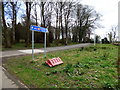
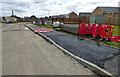
Area Information
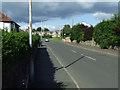
Bishopton occupies a compact footprint of 2.3 square kilometres, forming a distinct built-up area within the wider conurbation. You will find this locality situated where the A827 road enters the Clydebank peninsula, creating a defined residential pocket with clear boundaries. Living in Bishopton means experiencing a neighbourhood that functions as part of the RedRoad housing estates, offering a suburban character while remaining close to Glasgow city centre. The area comprises primarily single-story terraced and semi-detached homes, alongside some larger detached properties, reflecting its origins as a council-built neighborhood. You are positioned approximately nine kilometres from the city centre via the nearest railway, yet the terrain allows for a sense of separation from the denser industrial zones to the west. Daily life here revolves around the surrounding parks and the nearby river Clyde, which acts as a natural backdrop without dominating the residential streets. This is a practical location for commuters who value road access via the A827 and the M8 motorway without being immediately adjacent to heavy traffic arteries. The community feels established and residential, driven by families who have chosen here for its balance of space and proximity to major employment hubs like Renfrew and Glasgow International Airport. You can rely on a structured, accessible environment where the scale remains human despite key infrastructure passing close by.
- Area Type
- Built Up Area 250
- Area Size
- 2.3 km²
- Population
- Not available
- Population Density
- Not available
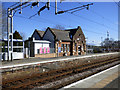
Daily life in Bishopton is supported by five local retail outlets and numerous leisure facilities within easy walking distance. You can shop at Co-op Bishopton, Sainsburys Bishopton, and Spar for your weekly groceries and essentials without needing to travel far. The area does not host a major supermarket hub within the immediate boundary, but the proximity of Glasgow International Airport and Bowling Place ensures significant retail options are available just off-site. Transport connectivity is further enhanced by five rail stations and four ferry crossings, linking you to Clydebank, Renfrew, and Yoker for weekend trips or commuting. Five railway stations specifically include Bishopton, Bowling, and Kilpatrick, forming a corridor of transport opportunity. Four ferry terminals operate on the south side of the river, providing a scenic alternative to road travel. You have access to specific named stations and harbours that integrate seamlessly into your commute routine. The built environment lacks large parks within the 2.3 square kilometre limit, but the Greenbridge area provides open space nearby. Leisure activities rely on the surrounding estate facilities and theathres in Clydebank a few miles away. Shopping trips typically involve visiting the Sainsburys or other local shops before catching the train to the city. The lifestyle is functional, prioritising access to transport hubs and essential retail over large-scale local entertainment venues.
Amenities
Schools
| Rank | School | Type | Entry gender | Ages |
|---|
Explore more schools in this area
Go to Schools tabDemographics
The community profile of Bishopton reflects a single social group where the majority of people are aged 10 to 19 years, creating a distinctively youthful demographic compared to national averages. Children under 5 and over 65 form significantly smaller segments of the population, meaning the area is populated by growing families or young adults rather than retirees. Most people in this locality rent their accommodation from private or social landlords rather than owning a home outright, which defines the tenant-heavy nature of the neighbourhood. The concentration of younger residents aligns with the high proportion of rented housing available within the estates. Households with children make up the largest grouping, while those headed by single individuals are the smallest category observed. Deprivation levels are relatively high, placing Bishopton in the top quarter of deprived areas when measuring against the whole of Scotland. This statistic indicates that a high proportion of households face financial challenges, which often limits access to private healthcare and traditional retirement savings. You should consider that this socioeconomic context influences local services and investment priorities, shaping the everyday experiences of those residing in these homes. The area represents a specific socio-economic slice of West Dunbartonshire where young families and renters dominate the social fabric.
Household Size
Accommodation Type
Tenure
Ethnic Group
Religion
Household Composition
Age
Household Deprivation
NS-SEC
Explore more demographic insights in this area
Go to Demographics tabPlanning
Planning Constraints
- Crime RiskPremium