Skip to content
Strathmore WardPerth and Kinross

Area Overview for Strathmore Ward

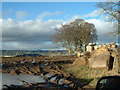
Caddam Farmland and Polytunnel Frames in Strathmore Ward
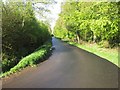
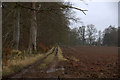
Damp road, Main Plantation in Strathmore Ward
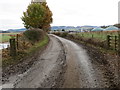
Farm track leading to Mains of Keithick in Strathmore Ward
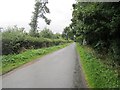
Minor road, Main Plantation in Strathmore Ward
Track near Caddam, Coupar Angus in Strathmore Ward
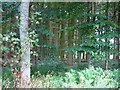
Main Plantation in Strathmore Ward
6 photos from this area

Area Information

Strathmore Ward is a distinct district within the unitary council, covering a vast expanse of 260.6 square kilometres across Scotland. Living in this large jurisdiction means navigating a significant area where the landscape and communities can vary greatly depending on your exact location. The sheer size of the ward suggests a mix of environments, from urban centres to more remote outskirts, which shapes the daily experience for residents. You will find a range of different neighbourhoods within this boundary, offering diverse lifestyles for those seeking homes in Strathmore Ward. The area represents a substantial portion of the regional landscape, providing ample space for development while retaining pockets of natural character. Prospective buyers should consider that the distance between services may be greater than in denser urban wards. This physical scale defines the rhythm of life here, requiring residents to plan their journeys carefully. The character of the ward is built on this extensive geography rather than a single, homogenous town centre. Understanding the layout is essential for anyone evaluating whether they can comfortably integrate into the local fabric of Strathmore Ward.

Area Type
District Borough Unitary Ward
Area Size
260.6 km²
Population
Not available
Population Density
Not available

Demographics

The community profile within Strathmore Ward presents specific characteristics regarding age and household composition. Data indicates a median age of 47 years, suggesting the area holds a mature population compared to national averages. Households typically consist of 2.2 people on average, indicating a prevalence of smaller family units or couples rather than multi-generational living arrangements. The ward reports a home ownership rate of 88 per cent, which is exceptionally high and signals that the majority of residents have stayed or acquired properties over time. Accommodation in Strathmore Ward is predominantly made up of terraced homes at 78.5 per cent, a figure that closely mirrors the total dwelling stock. This dominance of terraced housing reflects traditional Scottish building patterns found throughout much of the ward. Only 12.5 per cent of homes are detached, while semi-detached properties account for 4.2 per cent and flats make up 4.6 per cent. These figures describe a housing stock focused on traditional, ground-based dwellings rather than modern blocks or large detached estates. Understanding this demographic and housing structure helps you visualise the neighbourly layout of lives in Strathmore Ward.

Household Size

N/A
most common

Accommodation Type

N/A
most common

Tenure

N/A
majority

Ethnic Group

N/A
most common

Religion

N/A
most common

Household Composition

N/A
most common

Age

N/A
median
N/A
most common

Household Deprivation

N/A
with no deprivation

NS-SEC

N/A
in Lower managerial occupations

Explore more demographic insights in this area

Go to Demographics tab

Planning

Planning Constraints

  • Flood Risk
    Premium
  • Ramsar Wetland Sites
    Premium
  • Area of Outstanding Natural Beauty
    Premium
  • Protected Nature Reserve
    Premium
  • Protected Woodland
    Premium
  • Crime & Safety
    Premium

Explore more planning insights in this area

Open Planning map

Frequently Asked Questions

What is the typical size of a household in Strathmore Ward?
The average household size in Strathmore Ward is 2.2 people. This indicates that most homes are occupied by couples or small families rather than large extended families. The median age of residents is 47, which aligns with these smaller household compositions. You can expect a mature community where families tend to be nuclear in structure rather than multi-generational.

We use cookies to provide you with the best experience. By continuing, you agree to our Cookie Policy .