Area Overview for PH16 5PB
Photos of PH16 5PB
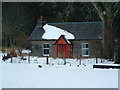
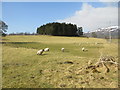
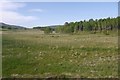
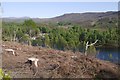
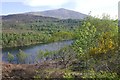
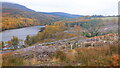
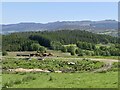
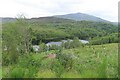
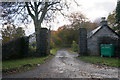
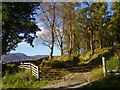
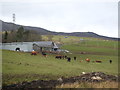
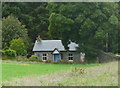
Area Information
Living in PH16 5PB involves residing within a very specific residential cluster covering just 1.3 km² in Scotland. This postcode falls under the broader Perth and Kinross council area, a historic region that combines the former counties of Perthshire and Kinross-shire. The area sits in central Scotland, bordered by Highland and Aberdeenshire to the north and Clackmannanshire to the south. Your daily life here is defined by the intimate scale of this small cluster rather than a sprawling neighbourhood. You are part of a community where space is limited but distinct. The history of the region is rooted in medieval sheriffdoms and local government reforms dating back to 1996. While the specific median income or population density for this exact postcode is not provided in current records, the location itself carries significant historical weight. Residents benefit from the stability of a long-standing council area while navigating the practicalities of a compact living environment. The distinctive nature of PH16 5PB means you are close to the boundaries of larger regions like Dundee and Angus. This proximity allows for potential access to wider amenities without detouring far from home. The area represents a quiet corner of Scotland where the wider history of Tayside influences the local identity. You live in a place where the legacy of the joint county council formation of 1930 still shapes the administrative landscape.
- Area Type
- Postcode
- Area Size
- 1.3 km²
- Population
- Not available
- Population Density
- Not available
The housing stock in PH16 5PB consists of a residential cluster covering 1.3 km², but the exact mix of property types is not specified in available data. You cannot confirm whether the area features primarily detached homes, flats, or a blend of accommodation styles. The proportion of owner-occupied versus rental properties remains unknown, which makes it difficult to gauge the market dynamics for buyers in this specific postcode. Without statistics on the percentage of homes owned outright, the cost of entry, or the typical age of the housing stock, the property market in PH16 5PB presents an incomplete picture. You do not know if this is a starter home area, a family zone, or a retirement location based on current records. The absence of data on sale prices or the frequency of transactions prevents a clear assessment of whether buying here is competitive. Residents looking at homes in PH16 5PB must accept that the property landscape is not fully mapped in public datasets. While the location is confirmed as a residential cluster, the architectural diversity and ownership structures are statistically undefined. This lack of detail means buyers cannot compare PH16 5PB directly to neighbouring areas using standard metrics. The suitability of properties within these boundaries must be evaluated through physical inspection rather than market analysis.
House Prices in PH16 5PB
Showing 7 properties
Energy Efficiency in PH16 5PB
Amenities
Schools
| Rank | School | Type | Entry gender | Ages |
|---|
Explore more schools in this area
Go to Schools tabDemographics
The community in PH16 5PB is characterised by its compact geography, yet specific details regarding the age profile, household types, and diversity of residents are not available for this specific postcode. Without data on the number of households or the breakdown by age, it is impossible to state whether the area skews towards families, retirees, or professionals. Similarly, there is no information on the percentage of owner-occupiers versus renters or the mix of private versus social housing. You cannot determine the deprivation levels in PH16 5PB because specific statistics for this cluster are absent. Knowledge of the local economy, employment rates, or student population remains speculative without concrete figures. The lack of demographic data means you rely on the character of the location itself rather than population studies to understand who lives here. In the absence of hard numbers, the community feel is largely inferred from the small size of the 1.3 km² area. A cluster of this magnitude often fosters close-knit neighbourly relations, but the exact composition of that community remains undefined in public records. Homebuyers seeking to understand the social fabric must look beyond this postcode to the wider Perth and Kinross region for broader trends. Any assumptions about the population density or ethnic diversity would be guesses rather than facts.
Household Size
Accommodation Type
Tenure
Ethnic Group
Religion
Household Composition
Age
Household Deprivation
NS-SEC
Explore more demographic insights in this area
Go to Demographics tabPlanning
Planning Constraints
- Flood RiskPremium
- Ramsar Wetland SitesPremium
- Area of Outstanding Natural BeautyPremium
- Protected Nature ReservePremium
- Protected WoodlandPremium
- Crime RiskPremium