Area Overview for Almond and Earn Ward

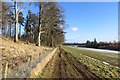
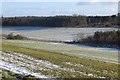
Blackhill Park in Almond and Earn Ward
Backhill Road in Almond and Earn Ward
Backhill Park in Almond and Earn Ward
Lawn Park in Almond and Earn Ward
4 photos from this area

Area Information

Living in Almond and Earn Ward means choosing a district defined by its expansive geography rather than dense urban density. This ward covers 300.9 square kilometres, making it a vast territory within the Borders of Scotland. Residents here experience a lifestyle far removed from the congestion and noise of major cities. The sheer size of the area shapes daily routines, as distances between town centres and natural features are significant. You move through landscapes that shift from farmland to conservation zones depending on your location within the ward. Daily life is controlled by this space, where a journey to work or school often involves longer travel times compared to smaller townships. The community has grown around these wide horizons, creating a distinct identity based on openness and proximity to the countryside. When considering homes in Almond and Earn Ward, you are selecting a home that prioritises space and tranquility over immediate access to bustling city amenities. The area's character is formed entirely by its physical scale, which dictates the pace of life for everyone from children playing outside to commuters navigating the roads. This vastness is the single most defining factor of the local experience.

Area Type
District Borough Unitary Ward
Area Size
300.9 km²
Population
Not available
Population Density
Not available

Demographics

The community in Almond and Earn Ward reflects the broader trends found across rural Scotland, though specific demographic breakdowns by ethnicity and precise house role statistics are not detailed here. The population structure suggests a steady settlement pattern within this 300.9 square kilometre footprint. Households find accommodation in a mix of properties, though the ward lacks specific data on the exact balance of owner-occupiers versus private renters. You can expect a typical rural demographic where extended families or couples with children often form the core of local households. The age profile usually leans towards families and those seeking space, rather than the single-person demographics common in city centres. Deprivation levels are not quantified in the available records, preventing a detailed analysis of income disparity or access to essential services within specific postcodes. Instead, the community exists within a framework where residents rely on the wider district infrastructure for goods and employment. The social fabric is built around practical connectivity, with neighbours often maintaining close ties due to the spread of homes across the large ward boundary. Limited housing stock data means residents must look beyond immediate neighbourhood clusters to find suitable properties that fit their long-term plans.

Household Size

N/A
most common

Accommodation Type

N/A
most common

Tenure

N/A
majority

Ethnic Group

N/A
most common

Religion

N/A
most common

Household Composition

N/A
most common

Age

N/A
median
N/A
most common

Household Deprivation

N/A
with no deprivation

NS-SEC

N/A
in Lower managerial occupations

Explore more demographic insights in this area

Go to Demographics tab

Planning

Planning Constraints

  • Flood Risk
    Premium
  • Ramsar Wetland Sites
    Premium
  • Area of Outstanding Natural Beauty
    Premium
  • Protected Nature Reserve
    Premium
  • Protected Woodland
    Premium
  • Crime Risk
    Premium

Explore more planning insights in this area

Open Planning map

We use cookies to provide you with the best experience. By continuing, you agree to our Cookie Policy .