Area Overview for Craigellachie
Photos of Craigellachie
Area Information
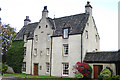
Living in Craigellachie means residing in a small village situated in the heart of Speyside within the Highlands of Scotland. This built-up area covers just 1.2 km² and serves as a focal point in Banffshire, north-east Scotland. The village is positioned at the confluence of the River Spey and the River Fiddich, locations central to the regional Scotch whisky industry. The name Craigellachie translates to "rocky hill," referring to the craggy rock formation on which much of the village is built. You will find the settlement approximately 300 feet above sea level on the left bank of the Spey. Daily life here blends historical significance with a distinctive dual character. The lower part of the village, centred on the main street, features floral displays and charming architecture dominated by the imposing white-painted Craigellachie Hotel. Upper areas are more functional but retain fine buildings. The area offers varied environments, from river valley landscapes to higher farmland, providing diverse flora and fauna. For those interested in local history, the site is rich with structures dating back to at least 1750. The Craigellachie Bridge, an iron structure designed by Thomas Telford and erected in 1815, stands as a notable engineering feature. If you appreciate historic sites, the Craigellachie Distillery, established in 1891, and the Great North of Scotland railway viaduct from 1857 are close by.
- Area Type
- Built Up Area 250
- Area Size
- 1.2 km²
- Population
- Not available
- Population Density
- Not available
Your daily life in Craigellachie relies on amenities that are within practical reach, specifically three retail locations and two nearby metro areas. The nearest notable shopping venues include the Co-op Aberlour, Morrisons Daily Aberlour Rothes New ST, and the Co-op Dufftown. These stores provide essential grocery and retail needs without requiring a lengthy journey. For larger shopping trips or public transport access, Dufftown and Drummuir serve as the nearest substantial settlements to get to. These metro areas offer a broader range of services for residents who need to look beyond the immediate village footprint. The character of your lifestyle is shaped by the village's position on the north-facing bluff defined by the two river valleys. The cliff overlooking the River Spey offers dramatic vistas, which is a defining feature for anyone living in the area. You can enjoy varied environments, offering both river valley landscapes and higher farmland, along with diverse flora and fauna. The Craigellachie Hotel, a grand white-painted building on the main street, anchors the social and architectural scene. It gives the area an almost medieval air and stands as the most visible landmark during flower exhibitions and floral shows. For history enthusiasts, the Craigellachie Cooperage is located outside the village on the Dufftown road. They construct and repair approximately 100,000 barrels annually, mainly for local distilleries. This proximity to industry adds a unique layer to your daily routine. The village primary school is also a significant local institution in the upper areas. While the village may feel small with its 1.2 km² area size, the presence of these specific venues ensures you do not live in isolation. The lifestyle is one of quiet rural living punctuated by significant historical and industrial landmarks.
Amenities
Schools
| Rank | School | Type | Entry gender | Ages |
|---|
Explore more schools in this area
Go to Schools tabDemographics
Understanding the community in Craigellachie requires looking at its specific historical and cultural roots rather than broad statistical generalisations. The area has a deep connection to the Grant clan, a connection that dates back to the reign of Robert I when John Grant acquired the lands of Inverallan. Upper Craigellachie historically marked the boundary between Badenoch and Strathspey and served as a meeting place for the clan during times of war. This heritage shapes the local identity, with the village experiencing active building development from summer 1880 onwards following the introduction of water. The population centre reflects this historic stability. While specific modern figures on age profiles or household compositions are not available in standard datasets for this remote Highland location, the community remains closely tied to the local economy. The economic lifeblood is dominated by the Scotch whisky industry, employing residents at the Craigellachie Distillery and the nearby Speyside Cooperage. The village was also the site of a parade in 1994 commemorating the amalgamation of The Gordon Highlanders and The Queen's Own Highlanders, a event marking the unity of The Highlanders. For anyone considering living here, the demographic landscape is defined by these enduring industrial and clan ties rather than transient trends. The character of the residents mirrors the steady, historical pace of a village that has served as a strategic point for centuries.
Household Size
Accommodation Type
Tenure
Ethnic Group
Religion
Household Composition
Age
Household Deprivation
NS-SEC
Explore more demographic insights in this area
Go to Demographics tabPlanning
Planning Constraints
- Crime & SafetyPremium