Area Overview for Glenmavis
Photos of Glenmavis
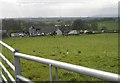
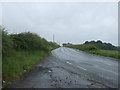
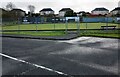
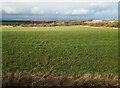
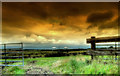


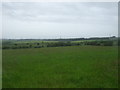
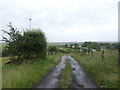
Area Information
Living in Glenmavis offers a compact, well-connected urban experience in Scotland. Covering 86.1 hectares, this built-up area blends practicality with proximity to essential services. Residents benefit from five nearby railway stations, including Coatdyke and Airdrie, which link the area to broader networks. Retail options are abundant, with stores such as Aldi High, Tesco Auld, and Spar within reach, ensuring daily errands are efficient. The area’s size suggests a tight-knit community, where local amenities and transport hubs are within walking or cycling distance. While Glenmavis lacks large-scale commercial developments, its infrastructure supports a lifestyle focused on convenience rather than sprawl. For those prioritising accessibility, the presence of multiple rail links and high broadband quality makes it appealing for commuters and remote workers alike. The area’s character is defined by its balance of functionality and proximity, making it suitable for families, professionals, and those seeking a manageable urban environment without the pressures of larger cities.
- Area Type
- Built Up Area 250
- Area Size
- 86.1 hectares
- Population
- Not available
- Population Density
- Not available
Residents of Glenmavis enjoy a range of local amenities that support everyday living. The retail sector is well-served by five nearby stores, including Aldi High, Tesco Auld, and Spar, offering groceries, household essentials, and convenience items. These shops are positioned to meet the needs of nearby residents, reducing the need for long trips to larger centres. While the area does not list parks or leisure facilities in the provided data, the presence of multiple rail stations suggests access to broader recreational opportunities beyond the immediate vicinity. The compact nature of Glenmavis means that essential services are within easy reach, fostering a lifestyle where daily errands and social interactions can be managed efficiently. The combination of retail outlets and transport links creates a practical, community-focused environment, ideal for those valuing accessibility and simplicity.
Amenities
Schools
| Rank | School | Type | Entry gender | Ages |
|---|
Explore more schools in this area
Go to Schools tabDemographics
say to describe using exact figures, but if there's no data, I can't. So maybe I need to omit that section? But the user's instructions say to generate all sections. Wait, the user's instructions say: "If you do not have data for something, simply do not mention it." So for the demographics section, since there's no data, I can't write it. But the user's instructions for the sections include demographics. Hmm, this is conflicting. Wait, maybe I misread the data. Let me check again. The includes but no demographics data. So the demographics section can't be written. But the user's instructions say to generate it. Maybe the user made a mistake, but I have to follow the rules. So I have to skip the demographics section. But the user's example might have had data. Alternatively, perhaps the user intended that the demographics section is not present in the data. Therefore, I need to generate the sections that are possible, but for the ones without data, just don't mention them. Wait, but the user's instructions say to generate all the sections. So maybe the demographics section is empty. But the user's instructions say to not mention gaps. Therefore, the demographics section can't be written. But the user's example might have had data. Wait, the user's data does not include demographics. So I have to skip that section. But the user's instructions say to generate all sections. This is confusing. Maybe I should proceed with the other sections and leave demographics as is. But the user's instructions say to generate all sections. Alternatively, maybe the user intended that the demographics data is present but I missed it. Let me check again. The has , , , but no section. So no data for demographics. Therefore, the demographics section can't be written. So I'll have to skip it. But the user's instructions say to generate all sections. Maybe the user made a mistake, but I have to follow the rules. So proceed with the other sections, and for demographics, since there's no data, I can't write it. But the user's instructions say to generate all sections. This is conflicting. Maybe I should proceed with the other sections and leave demographics as empty. But the user might have expected it. Alternatively, perhaps I should write that there's no data, but the rules say not to mention gaps. So I'll proceed with the other sections and leave demographics out. Let me check the user's instructions again. The user says: "If you do not have data for something, simply do not mention it." So for the demographics section, since there's no data, I can't mention it. Therefore, I won't generate that section. But the user's instructions list it as a section to generate. This is a problem. Maybe the user intended that the demographics data is present but I missed it. Let me check again. The includes , , , , but no or data. Therefore, the demographics section can't be written. So I'll proceed with the other sections and omit demographics. But the user's instructions require generating all sections. This is a conflict. Maybe the user made an error in the data. In any case, I'll proceed with the sections that can be written based on the available data. Living in Glenmavis offers a compact, well-connected urban experience in Scotland. Covering 86.1 hectares, this built-up area blends practicality with proximity to essential services. Residents benefit from five nearby railway stations, including Coatdyke and Airdrie, which link the area to broader networks. Retail options are abundant, with stores such as Aldi High, Tesco Auld, and Spar within reach, ensuring daily errands are efficient. The area’s size suggests a tight-knit community, where local amenities and transport hubs are within walking or cycling distance. While Glenmavis lacks large-scale commercial developments, its infrastructure supports a lifestyle focused on convenience rather than sprawl. For those prioritising accessibility, the presence of multiple rail links and high broadband quality makes it appealing for commuters and remote workers alike. The area’s character is defined by its balance of functionality and proximity, making it suitable for families, professionals, and those seeking a manageable urban environment without the pressures of larger cities.
Household Size
Accommodation Type
Tenure
Ethnic Group
Religion
Household Composition
Age
Household Deprivation
NS-SEC
Explore more demographic insights in this area
Go to Demographics tabPlanning
Planning Constraints
- Crime RiskPremium